Stocks● Neutral
India's High Power Costs Squeeze Cooling Sector Demand
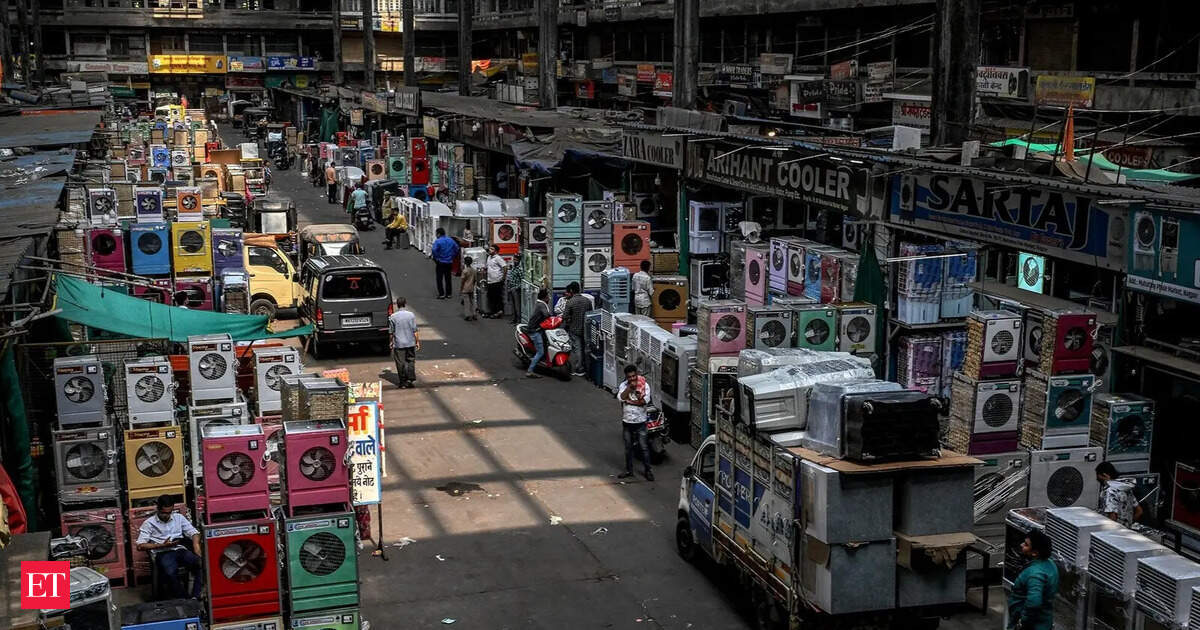
Low-income families face unaffordable electricity bills despite grid upgrades. The readthrough: utility margins narrow, appliance usage slows, renewable plans face execution risk.
Continue with
India's summer power demand is pushing grid capacity to its limit. The cost of keeping homes cool is creating a sector-wide affordability bottleneck. Cities like Nagpur deploy advanced cooling systems to manage peak load. For low-income families, electricity bills are too high to run air conditioners. Many endure sweltering homes, a constraint that affects health and productivity. This price wall alters the demand trajectory for utilities, appliance makers, and renewable developers.
Power Grid Upgrades and the Utility Margin Problem
State-owned power generators and private distribution companies invest in grid capacity to handle peak summer loads. The investment raises fixed infrastructure costs. Utilities face a dilemma: raise retail tariffs to recover costs or absorb margin compression. Raising tariffs risks pushing cooling out of reach for more households, flattening volume growth. The immediate relief from state plans for cheaper renewable energy is years away. For the current fiscal year, the gap between generation cost and consumer willingness to pay is likely to widen.
Utility stocks pricing in volume growth must account for this elasticity. Demand does not rise proportionally with capacity when price sensitivity is high. The sector readthrough is cautious on near-term earnings until tariff policy adjusts.
Appliance Demand Under an Operating-Cost Constraint
The readthrough to the consumer durables sector is direct. Room air conditioner penetration in India is low. Ownership alone does not guarantee usage when electricity costs per hour are high. Replacement cycles slow. Lower-end brands may see a volume shift from premium inverter models to basic units if households reduce operating hours.