Commodities● Neutral
India's Fourth Fuel Hike in Two Weeks Signals Subsidy Limit
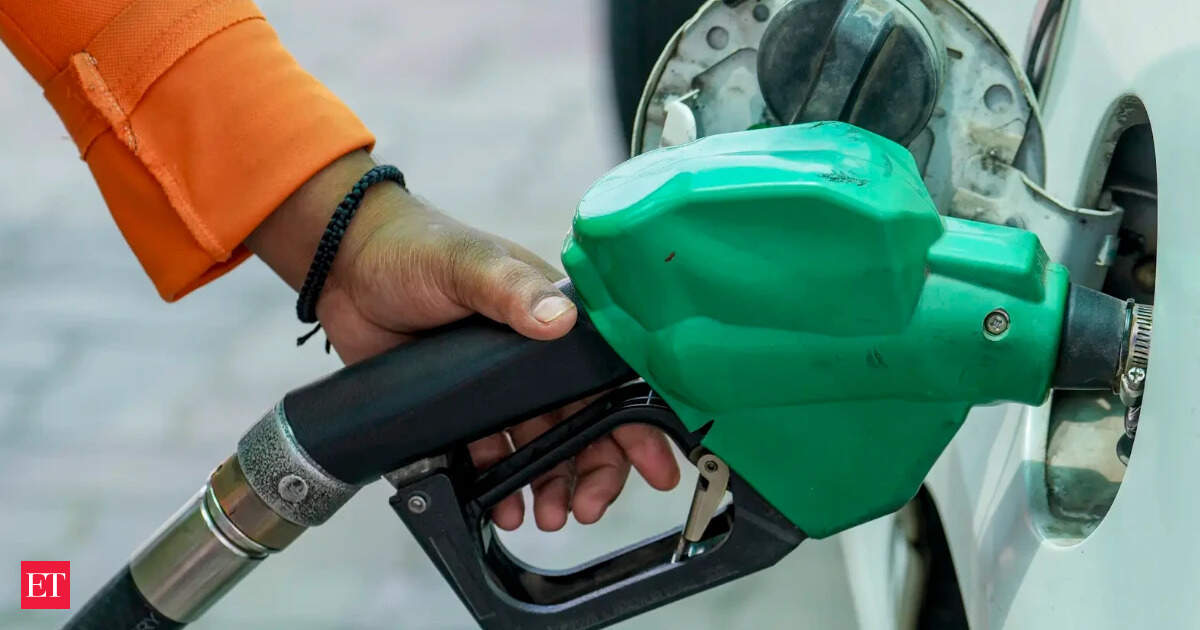
State-run oil companies raise pump prices for fourth time in two weeks after absorbing steep daily margin losses. More hikes likely if crude stays elevated, raising inflation and fiscal math risks.
Continue with
India raised petrol and diesel prices for the fourth time in under two weeks. The sequence breaks a long period where the government kept retail fuel rates flat while global crude costs surged. The repeated hikes confirm that the country's crude-import bill has overwhelmed the subsidy buffer that state-run oil marketing companies (OMCs) had maintained.
India imports about 85% of its crude. Every dollar move in Brent directly strains the balance sheets of OMCs such as Indian Oil, BPCL, and HPCL. The simple read is that the government is finally passing higher costs to the pump. The better market read is structural: this pass-through cycle signals that the capacity to buffer consumers through excise-duty cuts or deferred pricing has reached a limit. Each of the four hikes has been roughly aligned with the incremental increase in imported crude costs. If crude stays elevated, more hikes are likely before any budget adjustment.