India's First Export Container Takes on China's 90% Market Grip
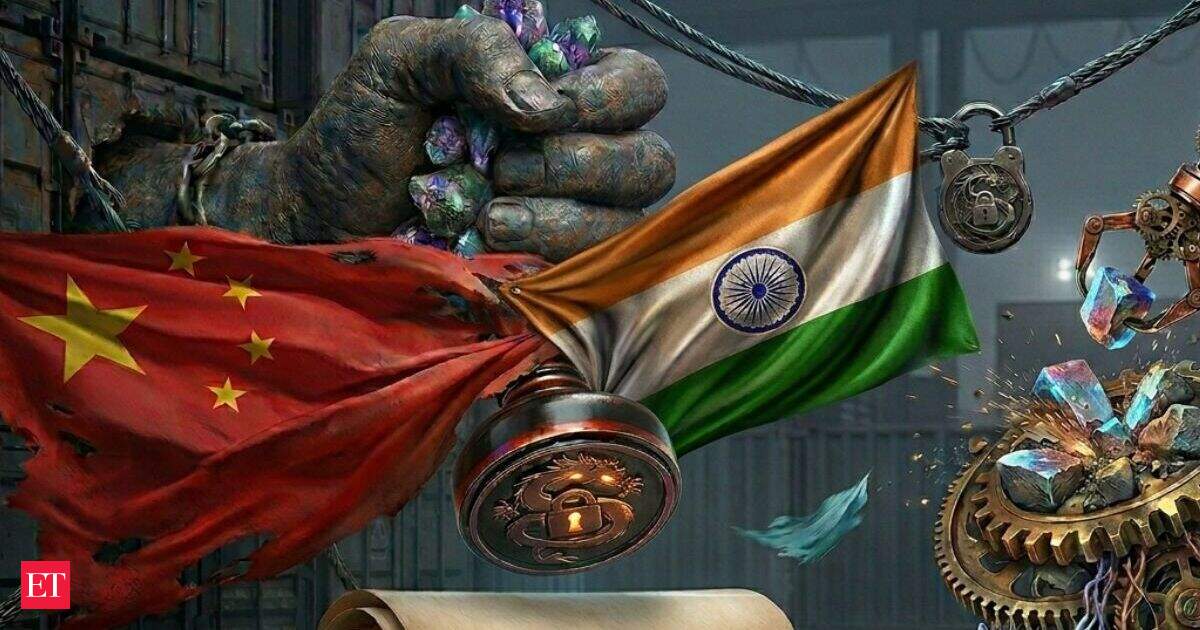
India deploys its first export-import shipping container, challenging China's 90%+ market share. Maersk backs the effort with a purchase agreement and technical support.
Alpha Score of 65 reflects moderate overall profile with strong momentum, moderate value, moderate quality. Based on 3 of 4 signals – score is capped at 90 until remaining data ingests.
India has deployed its first export-import shipping container for global use, a direct challenge to China's near-total control of the market. Chinese yards produce an estimated 90% to 97% of the world's new containers, according to industry data from the World Shipping Council. That concentration left global supply chains vulnerable when the pandemic hit.
The shock that changed India's calculus arrived in 2020 and 2021. Container shortages pushed freight rates four or five times above pre-COVID averages. Indian shippers, heavily reliant on Chinese-made boxes, scrambled for space. The lesson was expensive.
New Delhi responded by nudging domestic manufacturers into the sector. It offered production-linked incentives and eased steel import duties for container-grade material. The goal is not to match China's scale overnight. It is to carve out a meaningful niche – perhaps 5% to 10% of global output within a few years.
India faces real hurdles. Its steel grades for container fabrication remain inconsistent. Most domestic mills lack the specific hot-rolled coil specifications that container makers demand. Production runs are small compared with China's mega-factories, so per-unit costs run higher. Port infrastructure adds another layer: container assembly requires proximity to deep-water terminals for efficient loading.
Maersk, the world's second-largest container line, is giving India's effort a direct boost. The Danish carrier has signed an agreement to take a portion of the initial output. Its technical teams have been advising on design and quality standards. Maersk's involvement signals confidence in the product's viability, though the volumes involved are a fraction of the global fleet.
The first container was built at a facility in Gujarat using imported steel coils that met Maersk's specifications. It was loaded onto a Maersk vessel bound for Europe. More units are scheduled for delivery this quarter.
India's push comes as the US and Europe press for supply-chain diversification, creating potential export demand beyond India's own trade lanes. Chinese manufacturers, facing anti-dumping investigations in some markets, have been shifting production to Southeast Asia. India's direct entry is a more explicit challenge to their pricing power.
Drafted by a large language model from the source reporting linked above, then screened by automated publishing checks. It is not read by a journalist before publication. Some articles cite our Alpha Score. Verify prices and figures against the original source. Educational coverage, not personalized advice.