India's E20 Push Saves ₹1.97 Lakh Crore in Forex Despite Higher Costs
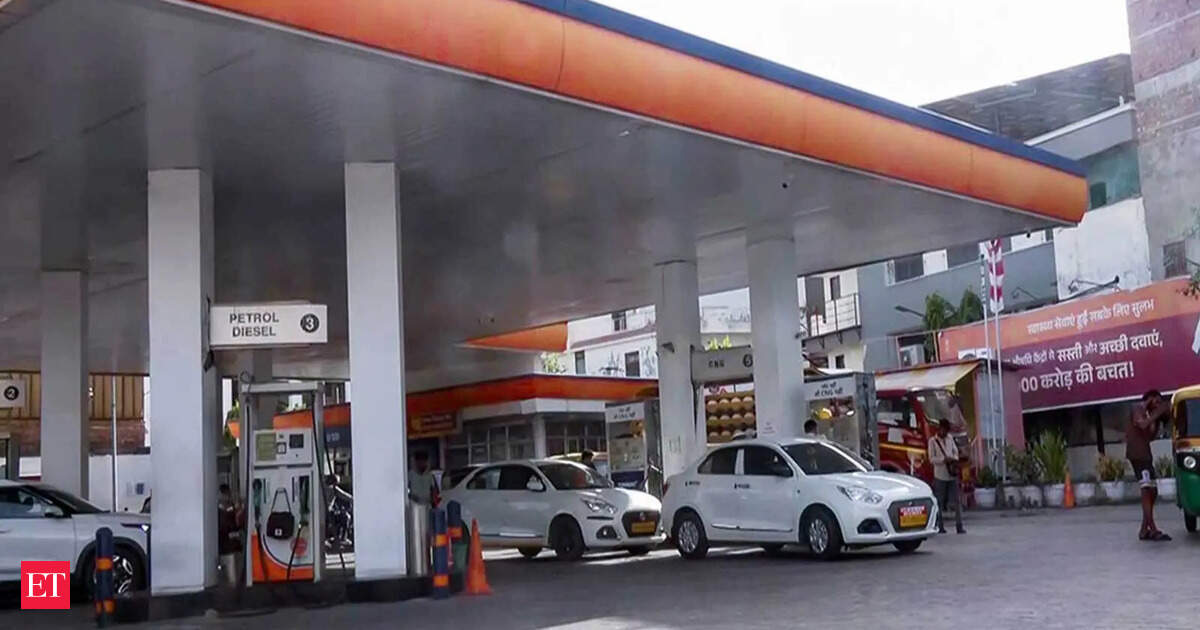
India's ethanol blending costs more than imported petrol but has saved ₹1.97 lakh crore in forex, the government said. E20 target benefits sugar stocks, pressures OMCs, and eases rupee pressure.
Alpha Score of 67 reflects moderate overall profile with strong momentum, strong value, weak quality, moderate sentiment.
India's ethanol blending program costs more than imported petrol at current crude prices, the government acknowledged. But – and here the government's statement made its case – the initiative has already saved ₹1.97 lakh crore in foreign exchange. The Ministry of Petroleum and Natural Gas released the figures Tuesday, reaffirming the target of 20% ethanol blending (E20) by 2025.
Ethanol replaces a portion of petrol with domestically produced alcohol from sugarcane molasses and cane juice. India imports about 85% of its crude oil. Every litre of ethanol blended cuts the volume of crude that needs to be bought overseas. The forex savings since the program began now exceed ₹1.97 lakh crore, the ministry said.
Sugar companies are the most direct beneficiaries. Ethanol production diverts cane away from sugar, reducing output and firming domestic prices. It also gives mills a second revenue stream. Shares of sugar producers have rallied this year on expectations of higher ethanol procurement prices. The government's reaffirmation of the E20 target removes a key policy uncertainty that had hung over the sector.
The calculus is more mixed for oil marketing companies. Ethanol is costlier than petrol on a calorific-value basis, the government conceded. That forces OMCs to absorb the extra cost on every litre sold. The trade-off cuts their exposure to global crude price swings and reduces the dollar demand from refiners. The net impact on margins depends on the spread between crude oil and ethanol procurement prices. With Brent above $80 a barrel, the blending penalty becomes smaller.
For the rupee, the read-through is straightforward. A smaller oil import bill reduces dollar demand from Indian refiners. The rupee has been under pressure this year from a widening trade deficit, driven largely by oil purchases. Lower crude imports ease that pressure. The ethanol push is one of the structural factors that could narrow the deficit over time.
India's current blending rate stands at about 12%, up from 1.5% in 2014. Reaching 20% by 2025 would require ethanol production capacity to roughly double. The next catalyst is the ethanol procurement price for the 2024-25 season, expected in the coming weeks. A higher price would reinforce the sugar sector's earnings trajectory.
The statement also highlighted the income boost for farmers. Ethanol production creates a guaranteed market for sugarcane, reducing the risk of price crashes during bumper harvests. That political benefit strengthens the policy's durability.
Read more: Oil Risk and Dollar Steadiness Trap the Rupee in a Narrow Band
Drafted by a large language model from the source reporting linked above, then screened by automated publishing checks. It is not read by a journalist before publication. Some articles cite our Alpha Score. Verify prices and figures against the original source. Educational coverage, not personalized advice.