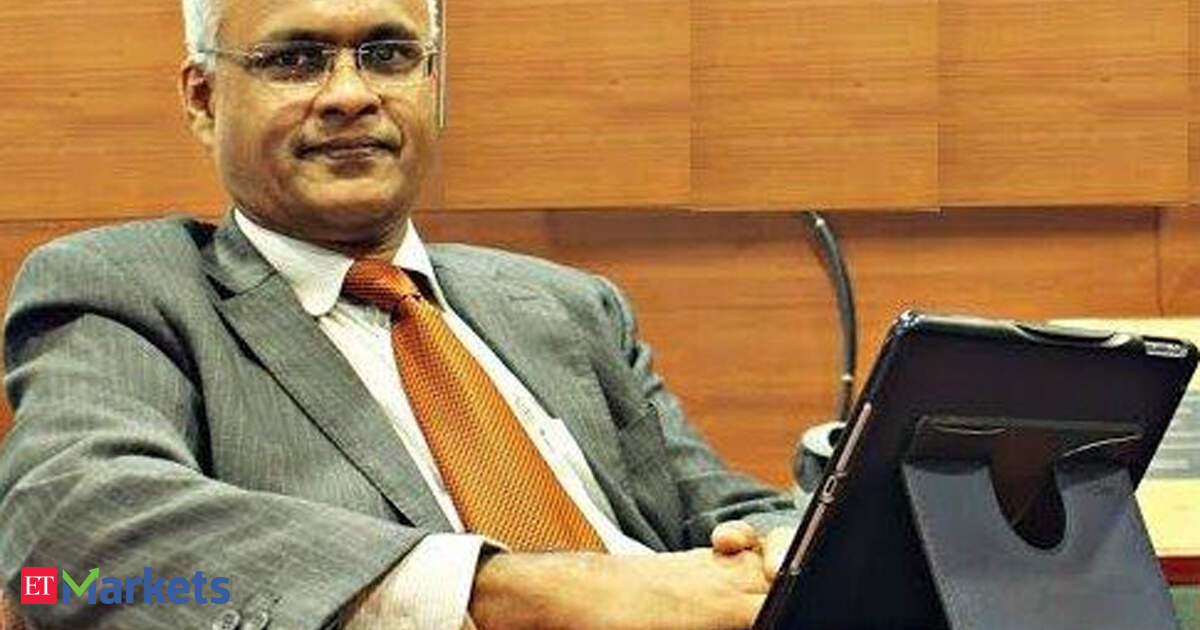
India's defence production crossed ₹1.78 lakh crore in the latest fiscal year, Defence Minister Rajnath Singh said, reiterating the push for self-reliance. The bigger story for investors lies in the export pipeline, according to market strategist Sunil Subramaniam. He expects India's defence exports to hit ₹65,000 crore by 2030, up from the current run rate. "The real play is in private sector companies and startups," Subramaniam said. "They are the ones building the supply chains."
Prime Minister Narendra Modi has framed the shift as one from buyer to manufacturer. Singh, speaking at a defence event, said the output figure was partly the result of private sector participation. He did not give a specific export target but said self-reliance was non-negotiable for future readiness.
Subramaniam's forecast rests on the idea that exports, not just import substitution, will drive the next leg of growth. India's defence exports have already risen fivefold in the past decade. Much of that growth came from private firms. The government has loosened licensing and opened more categories to foreign collaboration. Startups working on drones, surveillance and electronic warfare are gaining traction, he said.
For listed companies, the read-through is uneven. Large-cap players like Hindustan Aeronautics and Bharat Electronics still dominate. Mid-cap and small-cap firms tied to subsystems such as engines and avionics could see order flows accelerate as global supply chains look beyond traditional sources. The Ministry of Defence has also mandated that a share of procurement come from startups, creating a captive demand base.
Bharat Forge this week bagged a ₹425 crore Ministry of Defence contract for generators for the Navy. The deal covers installation and maintenance for multiple naval platforms. The order is small relative to the company's revenue. It signals the broadening of the private industrial base beyond the state-owned monopoly. Bharat Forge has been diversifying into defence over the past five years.
The question for equity investors is whether the export thesis can scale without a marquee platform such as a fighter jet or a missile system, the way global defence exporters have done. Subramaniam argued that niches matter more. "India doesn't need to sell the whole weapon system to win," he said. "Components and maintenance. That is where the value is."
A clutch of startups have already signed export deals for loitering munitions and counter-drone systems. The government's procurement reforms include a separate window for buyouts from domestic innovators. That should keep the pipeline flowing for at least the next three to five years.
Bharat Forge shares gave up early gains after the contract announcement, settling near the flat line. Broader defence indices held steady. The next catalyst will be the release of defence export figures for the first half of the current fiscal, due in October.