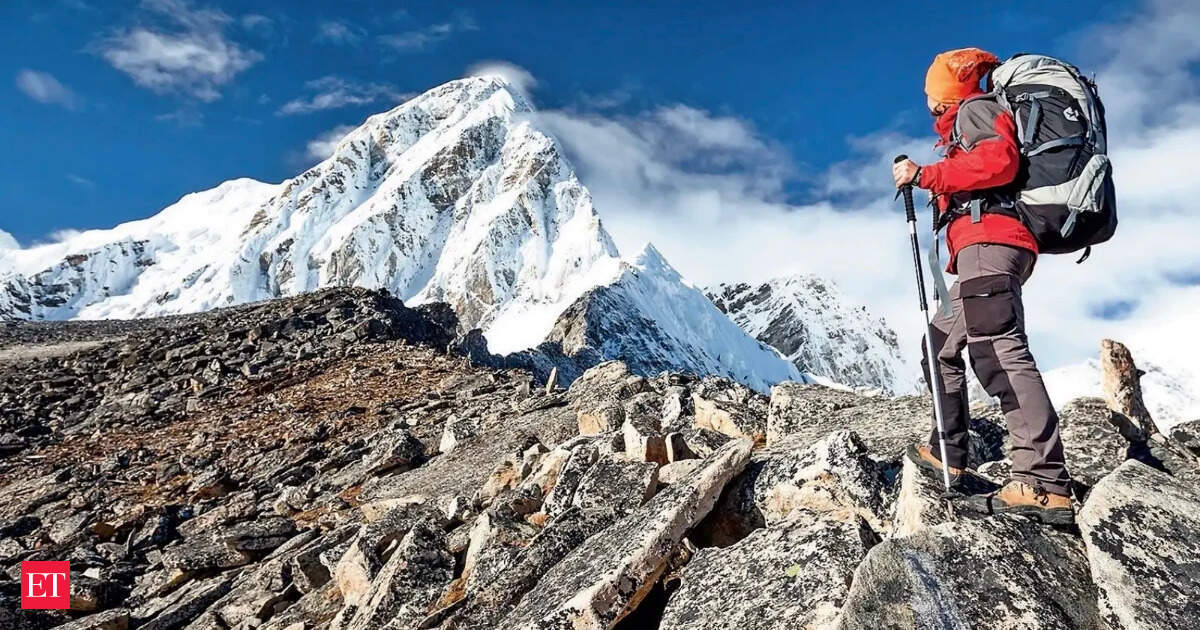
India's budget for the fiscal year sets aside new funds for tourism development in the Himalayan region. The allocation represents a policy shift. The central government has historically given priority to lowland destinations and coastal resorts. Mountain states have received less attention.
The move highlights a gap with Nepal. Nepal's trekking industry is well-organized. International trekkers rely on clear routes and teahouse networks. Indian states like Uttarakhand, Himachal Pradesh, and Sikkim have struggled to match that. Bureaucracy and poor road access have been obstacles. Nepal's single-window permit system and regulated guide network are models India could adapt.
Critics point to environmental damage. Waste management is weak. Unregulated construction scars the landscape. Animal welfare on pilgrimage routes has drawn complaints. The budget does not allocate specific funds for animal welfare.
The Himalayas are changing. Glacial melt and deforestation are visible. Visitor numbers are rising. Some argue that the opportunity to see the region in its current form is shrinking. The budget priorities include road access and trail maintenance. Whether the funds reach local communities efficiently will determine the impact.
Domestic travel has surged since the pandemic. The government sees mountain tourism as a growth driver. The allocation is part of a broader push to boost domestic tourism and reduce the trade deficit in travel services.