India's 7.7% real GDP growth masks a demand slump: private consumption share fell to 55.7% of GDP. Inflation, El Niño, and weak investment threaten the outlook.
India's economy expanded 7.7% in 2025-26, a touch above expectations. The number triggered a round of optimism. Look past the headline, and the picture is less cheerful.
Nominal GDP growth was only 8.9%, down from 11.6% the year before. The gap between real and nominal is the GDP deflator, which came in at 1.2%, the lowest in recent years. Low inflation made real growth look stronger than the underlying revenue and income flows suggest.
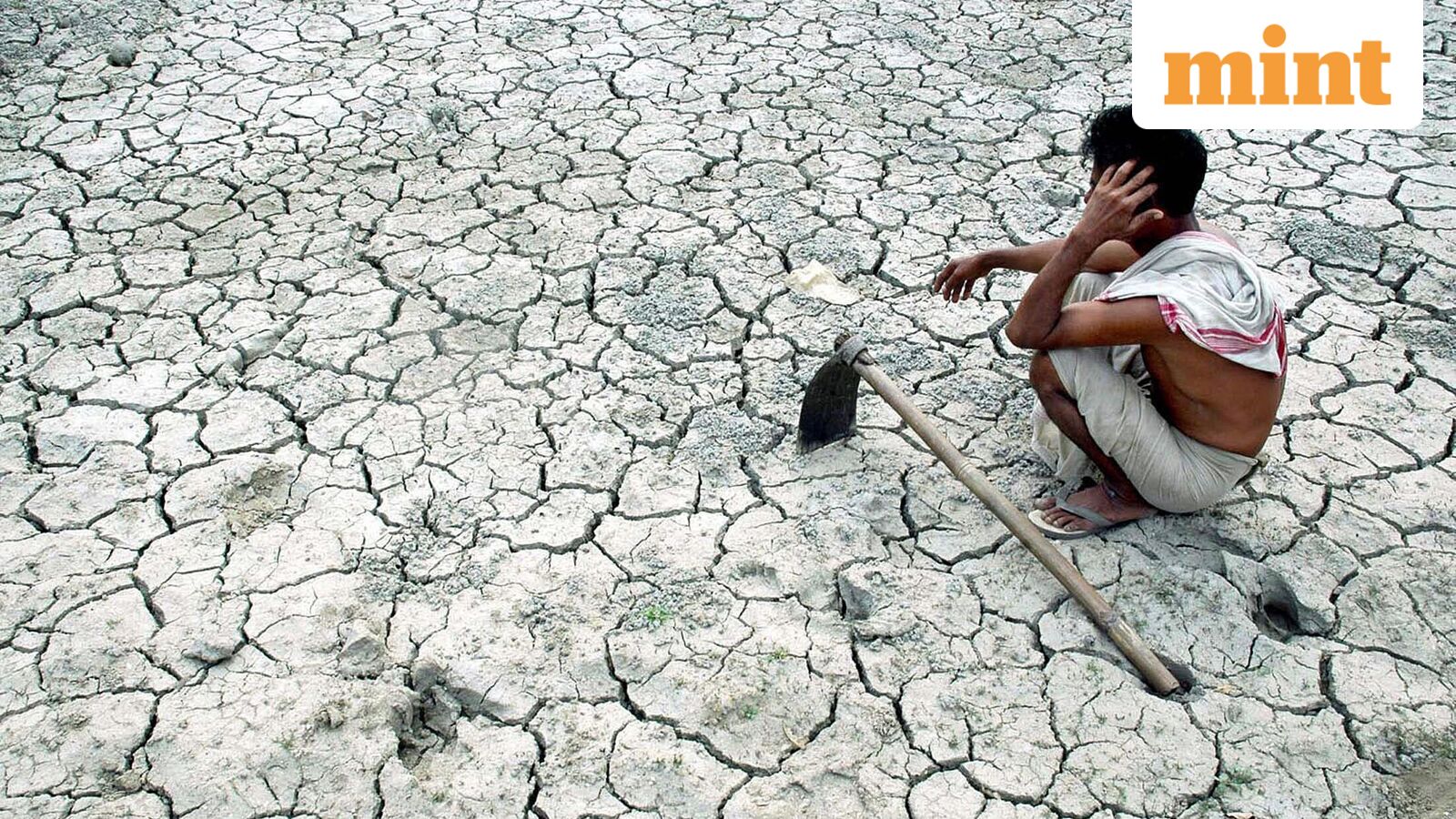
Himanshu, an economist at Jawaharlal Nehru University, laid out the problem in a Mint column. Agricultural prices fell sharply, pushing real farm output up 3% but nominal farm growth to just 1.4%. That deflation hurt farmer incomes and profitability. It also fed into a broader demand slump that has persisted for some time.
Private consumption, the main engine of India's growth, saw its share of GDP drop from 57.1% in 2022-23 to 55.7% in 2025-26. Regular wage workers saw real earnings decline. Private investment remained weak. Exports struggled. Foreign direct investment and portfolio flows fell, pressuring the current account deficit.
Now two new shocks are compounding the stress. The war in West Asia is pushing up energy and fertilizer costs. April's wholesale price index jumped 8%. Consumer inflation reached 4% and the Reserve Bank of India expects it to stay on an incline. A severe El Niño is forecast, threatening monsoon rains and agricultural output. Supply shocks from deficient rainfall would add to inflation while squeezing household disposable income further.
Monetary policy has limited room here. Much of the inflation is coming from fuel and food, not demand. Rate hikes would do little to cool those prices but would hurt growth. Himanshu argued that the government needs to shift from austerity to fiscal support – job creation, social protection, food security – to revive farm profitability and wages. That, he said, is the only way to restore domestic demand and sustain growth.
The market read-through is straightforward. Bond yields face upward pressure from inflation expectations and potential fiscal slippage if the government does increase spending. The rupee, already under pressure from falling capital flows, could weaken further if the current account deficit widens. Equity sectors tied to rural demand – two-wheelers, tractors, FMCG staples – may see earnings downgrades if the income squeeze persists. Gold, which tends to benefit from inflation and uncertainty, has a bid.
The next concrete marker is the monsoon forecast update from the India Meteorological Department, due in the coming weeks. A below-normal rainfall outlook would reinforce the stagflationary risk. The RBI's next policy review, scheduled for June, will show whether the central bank acknowledges the growth-inflation trade-off explicitly.
Prepared with AlphaScala research tooling and grounded in primary market data: live prices, fundamentals, SEC filings, hedge-fund holdings, and insider activity. Each story is checked against AlphaScala publishing rules before release. Educational coverage, not personalized advice.