India's 7.7% FY26 GDP beat, with Q4 accelerating to 7.8%, pushes the RBI rate cut timeline to October or later. Bond yields, rupee, and equity sector plays repriced.
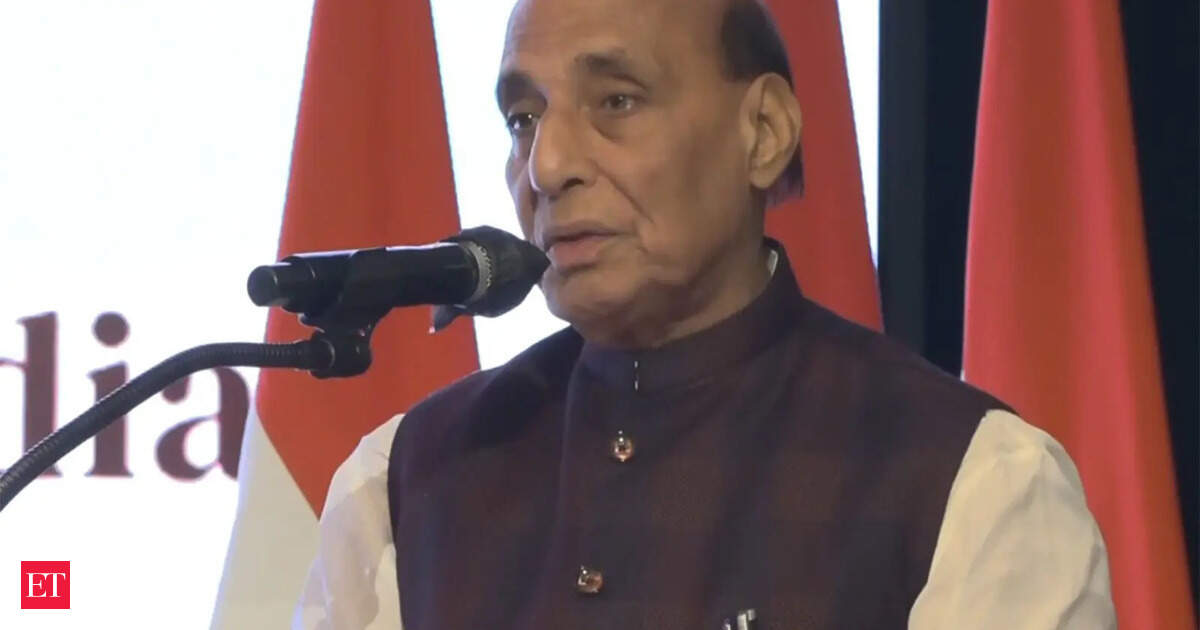
India's economy grew 7.7 percent in financial year 2025-26, with the fourth quarter accelerating to 7.8 percent. Defence Minister Rajnath Singh attributed the performance to the 'Reform, Perform, Transform' agenda, framing it as a step toward the Viksit Bharat development goal. The headline number landed well above the Reserve Bank of India's (RBI) own projections, which had assumed a slower pace through the second half of the fiscal year.
The immediate take is straightforward: a 7.7 percent full-year print and a 7.8 percent Q4 beat confirm that domestic demand and government capex are running hot. For a trader scanning the macro calendar, this reduces the probability of an imminent rate cut from the RBI. The central bank's monetary policy committee had been signaling a cautious stance. This data gives it cover to hold rates steady for longer.
The mechanism that matters for portfolio positioning runs through three channels.
Bond yields. A GDP beat of this magnitude, especially the Q4 acceleration, pushes the 10-year Indian government bond yield higher. The market had priced in a modest slowdown that would have opened room for a rate cut in the second half of 2025. That trade is now unwinding. The yield curve steepens as the front end reprices rate expectations and the long end absorbs the growth premium. Traders holding long-duration positions face a repricing risk.
The rupee. Strong growth attracts foreign portfolio inflows into both debt and equity, which supports the Indian rupee against the dollar. The RBI's intervention policy complicates the trade. The central bank has historically used periods of inflow strength to build reserves, capping the rupee's upside. The net effect is a tighter range, not a breakout, until the next policy signal.
Equity indices. The Nifty 50 and BSE Sensex benefit from the growth narrative. The sector composition matters more than the headline. Financials and industrials, which are sensitive to domestic demand and credit growth, get the clearest tailwind. Export-oriented IT and pharma stocks face a mixed setup: a stronger rupee is a headwind, the global demand backdrop is the dominant driver.
The GDP beat pushes back the expected timing of the first RBI rate cut by at least one meeting. The market had been pricing a cut in the August 2025 policy review. That now shifts to October or later, contingent on the monsoon season and the next CPI inflation print. The RBI's own growth forecast for FY26 was below 7.0 percent. The central bank will need to revise its projections upward at the next meeting. That revision, by itself, is a hawkish signal.
The next scheduled catalyst is the June CPI inflation release, due in mid-July. If inflation prints above the RBI's 4.0 percent target midpoint, the rate-cut timeline shifts further into FY26. If inflation softens, the market will test the RBI's resolve to hold rates despite the growth beat. The RBI Governor's post-policy press conference in August will be the next live event for forward guidance. Until then, the GDP data sets the tone: growth is strong enough to keep rates on hold. The burden of proof is on the inflation side to justify a cut.
For a broader context on how GDP beats reshape central bank paths, see the India GDP Beat Pushes Back RBI Cut Timeline analysis.
Prepared with AlphaScala research tooling and grounded in primary market data: live prices, fundamentals, SEC filings, hedge-fund holdings, and insider activity. Each story is checked against AlphaScala publishing rules before release. Educational coverage, not personalized advice.