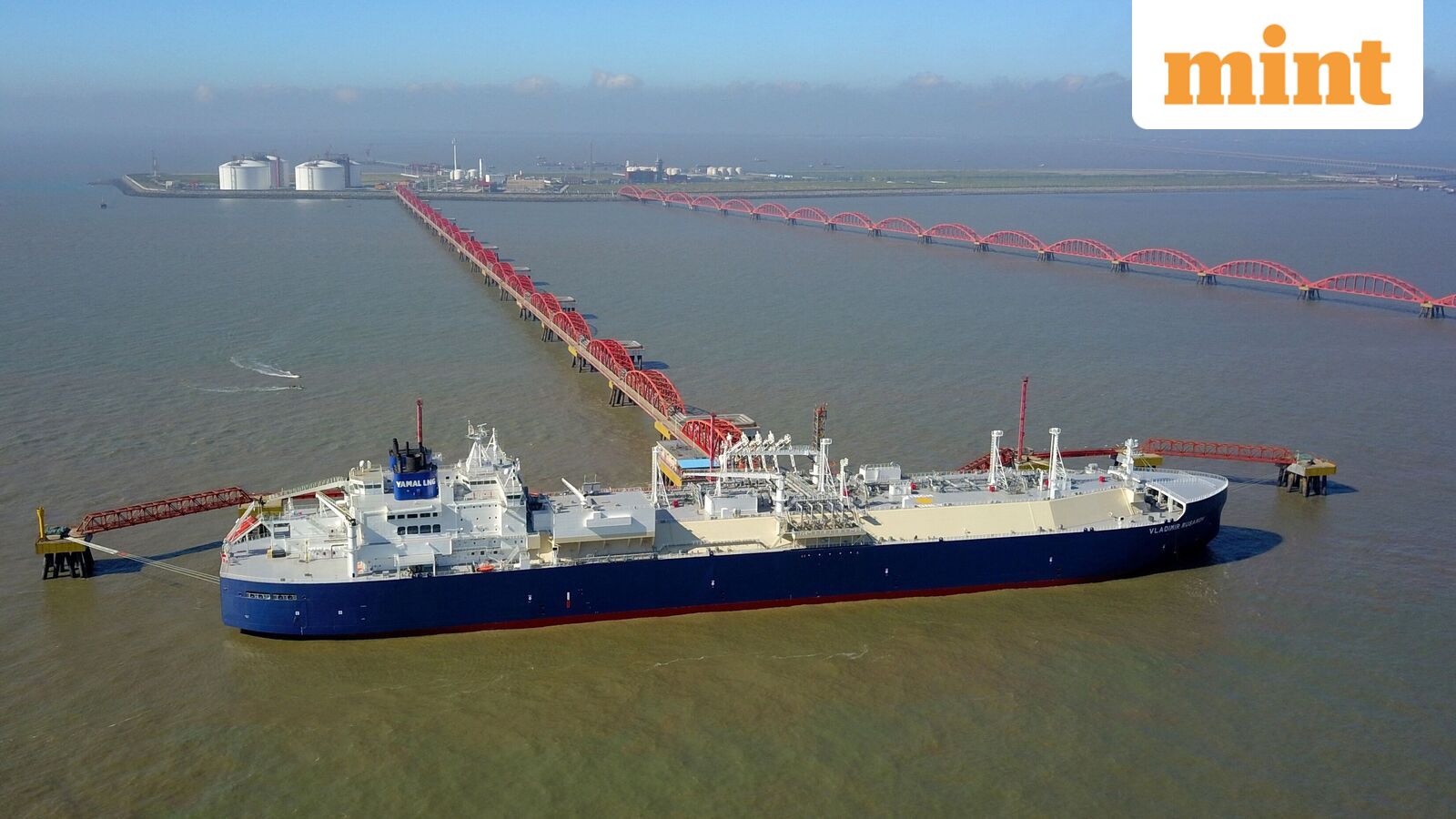
India wants to be one of the world's top five shipbuilding nations by 2047. Right now it accounts for less than 1% of global output. China, South Korea and Japan together control more than 85%.
That gap explains why New Delhi is courting Korean shipbuilding giants for investment, technology partnerships and workforce training. HD Hyundai, Hanwha Ocean and Samsung Heavy Industries are among the world's most advanced yards, with leadership in LNG carriers, VLCCs and container ships. Indian yards focus mostly on smaller vessels, offshore structures and defence contracts.
"Koreans are known for their shipbuilding skills," said Anil Devli, chief executive officer of the Indian National Shipowners' Association. He said HD Korea Shipbuilding and Offshore Engineering investments would bring critical design and construction capabilities India needs.
The biggest proposal on the table
HD Korea Shipbuilding and Offshore Engineering is looking at a greenfield shipyard in the Thoothukudi cluster. The estimated investment is about ₹40,000 crore. The facility would build large vessels including VLCCs and VLGCs, segments where India has limited capacity.
Another proposal involves a Cochin Shipyard Ltd.–HD Hyundai partnership for a facility near CSL's Kerala plant. Beyond new yards, discussions include modernizing existing shipyards, training workers, local manufacturing of marine equipment and technology sharing.
Vivek Merchant, director at Swan Defence and Heavy Industries Ltd, described the partnership as a shift "from transactional procurement to a shared industrial destiny." He said proposed Korean industrial townships could help localize supply chains and reduce import dependence. SDHI is also exploring a tie-up with Samsung Heavy Industries to build complex vessels at its Pipavav yard in Gujarat.
What India still lacks
Shipbuilding needs deep-draft ports, heavy engineering infrastructure, automated fabrication and skilled labour. Leading nations built these capabilities over decades through state support, export financing and clustering.
Indian yards face long delivery timelines, high financing costs, limited design access, fragmented supply chains and lower productivity than East Asian peers. Korean participation helps address these gaps by bringing proven systems and operational expertise, Merchant said.
The approach mirrors India's strategy in electronics and semiconductors, where foreign partnerships are being used to build domestic capability.
Why Korean firms are interested
Global ship demand is expected to remain strong, driven by energy transition, fleet replacement and trade growth. Korean yards face rising costs and capacity constraints. India offers lower labour costs, a large engineering workforce and expanding port infrastructure, along with access to future demand in the Indian Ocean and Middle East.
Closer ties also align with Asia's broader shift to diversify away from dependence on Chinese manufacturing ecosystems. Government incentives for shipbuilding clusters, infrastructure and financing are further improving investment appeal.
The hurdles that remain
Progress requires more than large investments. India must improve financing for ship buyers, speed approvals, expand export incentives, develop skills, deepen ancillary industries and upgrade logistics around clusters.
Measures such as the ₹25,000 crore Maritime Development Fund and new shipbuilding schemes are steps in that direction. Infrastructure status for shipping and shipbuilding has also improved access to financing.
Merchant said aligning Korean capital with India's maritime financing ecosystem could help de-risk investment and support the broader "Make in India" push.
If successful, India could move from small and medium vessels into high-value commercial ships and specialised carriers over the next decade. The target is ambitious but achievable over two decades with sustained policy support, the government believes.