Russia uses Tether and Bitcoin to settle oil payments with Indian buyers as New Delhi's Russian crude imports hit $168 billion since 2022, with or without US waivers.
The numbers are worth sitting with for a second. Before Russia invaded Ukraine, Indian refineries bought roughly 2-4% of their crude from Russia. By early 2026, that figure had crossed 40%. The cumulative import bill over that period: roughly $168 billion.
Washington did not just tolerate this shift. Treasury Secretary Janet Yellen reportedly encouraged it. The logic was cold and practical: keep global oil supply flowing, prevent a price spike that would damage the world economy, and accept that Russia would still earn revenue. The G7 price cap was the mechanism designed to limit how much Moscow could collect per barrel. India's purchases, often at a discount below the cap, fit the framework.
The Trump administration, returning in 2025, reversed the posture. It pressured New Delhi to cut back, using tariffs and trade negotiations as leverage. In early March 2026, the US issued a 30-day sanctions waiver specifically for Russian crude stranded at sea that Indian buyers wanted. By April, Russian oil still accounted for about 38% of India's import value, worth $5.8 billion, and 34.3% by volume. Indian officials stated publicly in May 2026 that purchases would continue based on commercial viability and energy security, with or without US waivers.
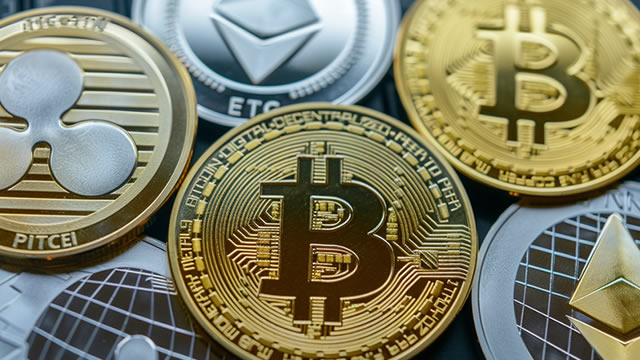
That is where crypto enters the picture. Russia has reportedly been using Tether (USDT), Bitcoin (BTC), and Ether (ETH) to settle oil payments with Indian buyers. When sanctions constrain traditional correspondent banking, crypto offers an alternative payment rail: a way to move value without routing through banks that might block or delay transactions under compliance requirements.
USDT is the most obvious fit here. It is a dollar-denominated stablecoin that both parties can trust without needing actual dollars to clear through US-supervised infrastructure. Bitcoin and Ether allow transactions without any centralized intermediary at all. Russia using these assets to settle oil deals with India is real-world utility for digital assets in large-scale international commerce. This is structurally persistent demand, not speculative.
The regulatory question hangs over the whole setup. If Washington decides to crack down harder on crypto-facilitated sanctions evasion, the same assets benefiting from this demand could face headwinds. Historically, the US has tolerated workarounds that serve its broader interests, like keeping oil prices stable. It has been less tolerant when those same workarounds undermine its leverage. India's public stance that it will buy Russian oil regardless of US waiver status signals a multipolar energy market where the dollar's role as the exclusive settlement currency is being challenged. Crypto is one of several alternative rails being explored, alongside rupee-ruble direct settlement mechanisms.
The next concrete catalyst is whether the US Treasury issues new guidance on crypto use in sanctioned commodity trades. No such guidance has been announced.
Prepared with AlphaScala research tooling and grounded in primary market data: live prices, fundamentals, SEC filings, hedge-fund holdings, and insider activity. Each story is checked against AlphaScala publishing rules before release. Educational coverage, not personalized advice.