Stocks● Neutral
Indian Seafarer Dies After SOS Ignored, Body Left Unrefrigerated
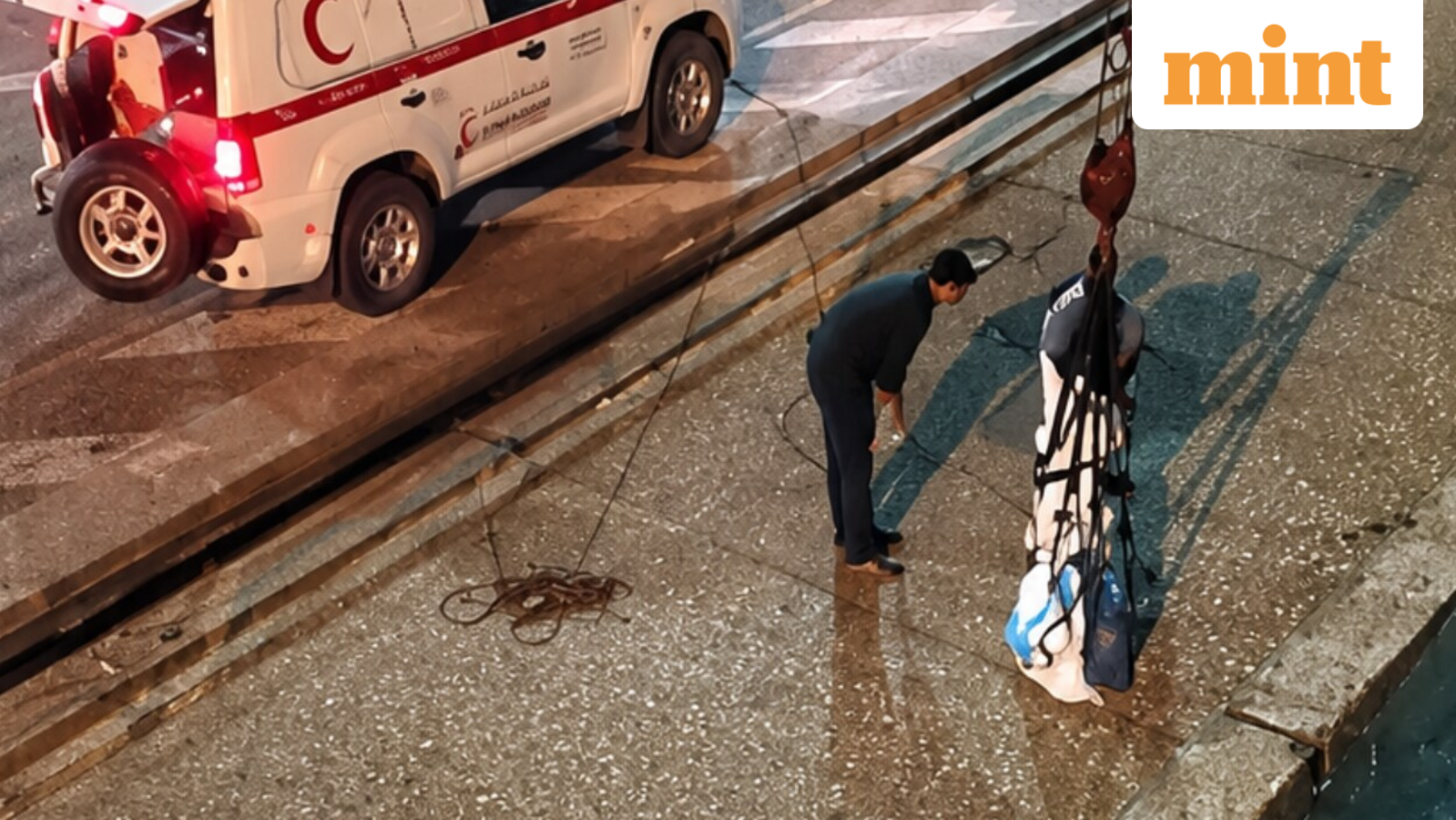
The death of Indian sailor Nishant Uirthanathan aboard MT Celestial highlights systemic failures in emergency medical response and body preservation on commercial vessels.
Continue with
The death of Indian sailor Nishant Uirthanathan aboard the tanker MT Celestial off the coast of Oman has drawn attention to gaps in emergency medical support and body preservation on commercial vessels. Uirthanathan, 35, fell seriously ill on June 9 and died two days later, the Forward Seamen’s Union of India (FSUI) said Monday. The union alleged that SOS alerts from the crew were ignored and that the vessel lacked proper refrigeration to preserve the body, forcing crew members to use cold water bottles to slow decomposition.
The Indian Embassy in Muscat confirmed it is coordinating repatriation of the remains. In a post on X, the embassy said necessary arrangements are being made. The FSUI released a video showing the body covered in plastic sheets, calling the situation “horrifying and health-risking.”
The incident follows the deaths of three Indian seafarers in a US strike on a tanker off Oman earlier this month. That strike prompted India to lodge a second protest with the United States, with the Ministry of External Affairs summoning the US chargé d’affaires to convey deep concern over the use of lethal force against civilian shipping.