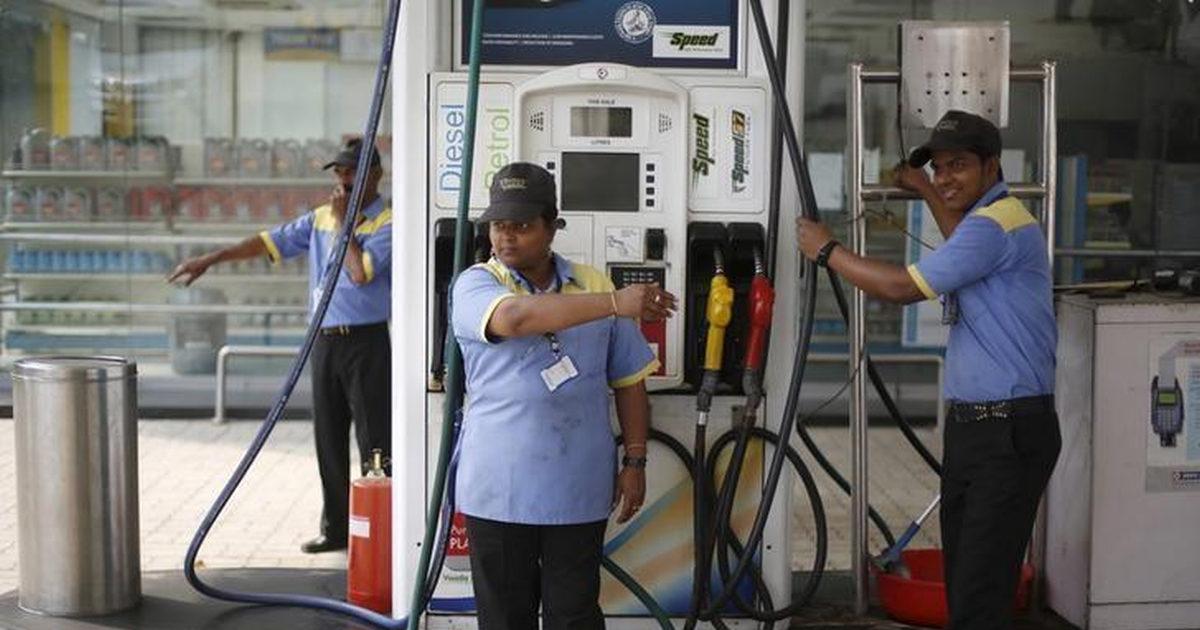
Indian oil marketing companies are facing severe margin compression as the cost of imported crude oil continues to outpace domestic retail fuel prices. Retailers are currently absorbing a loss of Rs 14 per litre on petrol and Rs 18 per litre on diesel. This divergence between global procurement costs and fixed domestic pump prices is creating a structural strain on the balance sheets of state-run energy distributors.
Geopolitical Drivers of Procurement Costs
The primary catalyst for this margin erosion is the sustained elevation of global crude oil prices, which have been pushed higher by persistent instability in West Asia. As these geopolitical tensions disrupt supply chains and increase the risk premium on energy shipments, Indian importers are forced to pay a higher price for their feedstock. Because retail prices remain capped, the retailers cannot pass these increased costs to the end consumer. This creates a direct link between regional conflict in oil-producing zones and the operational profitability of downstream energy firms in India.
Impact on Downstream Inventory and Margins
The inability to adjust retail prices in response to volatile global markets forces oil marketing companies to absorb the full extent of the price gap. This dynamic is particularly acute for diesel, which carries a higher loss per litre than petrol. The current situation highlights the sensitivity of domestic energy infrastructure to international supply shocks, as seen in the broader commodities analysis. The financial impact of these losses is compounded by the following factors:
- The reliance on imported crude to meet domestic demand leaves retailers with little buffer against sudden price spikes.
- Fixed retail pricing models prevent the necessary price discovery that would otherwise balance supply and demand during periods of high geopolitical risk.
- Sustained losses at the pump limit the capital available for infrastructure investment and refinery upgrades.
AlphaScala data currently reflects a mixed outlook for several industrial and cyclical equities, including Reliance, Inc. (RS) with an Alpha Score of 44/100, ON Semiconductor Corporation (ON) at 46/100, and Amer Sports, Inc. (AS) at 47/100. These scores reflect broader sector volatility that often correlates with energy input costs and supply chain stability. Investors tracking these sectors should monitor the RS stock page, the ON stock page, and the AS stock page for updates on how these firms manage input cost fluctuations.
The next critical marker for this market will be the upcoming government policy review regarding fuel pricing mechanisms. Any adjustment to the retail price ceiling or a shift in subsidy support will determine whether these marketing companies can recover their margins or if the current deficit will continue to weigh on their quarterly earnings. Until a policy shift occurs, the retailers remain exposed to the volatility of the crude oil profile and the ongoing geopolitical risks in the Middle East.