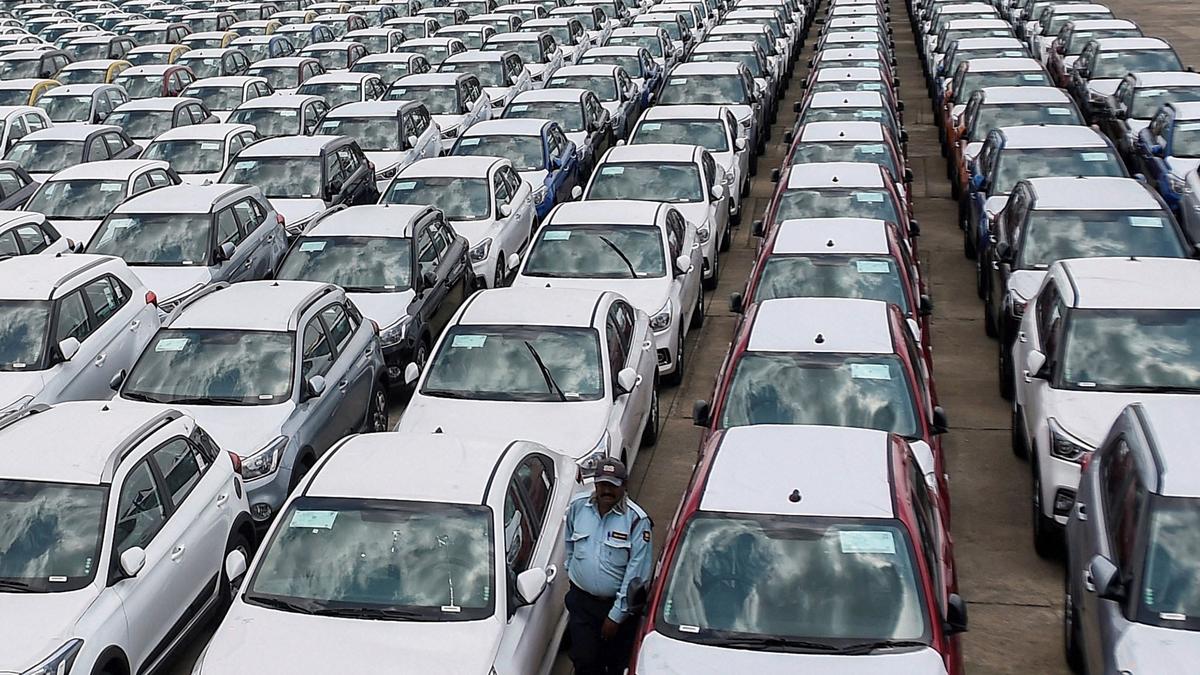
The Indian automotive retail sector reached a significant milestone in April 2026, with the Federation of Automobile Dealers Association (FADA) reporting total sales of 2,611,317 units. This figure represents a 12.94% increase compared to the same period last year, marking the highest-ever delivery volume for the month of April in the association's records. While the headline number suggests robust consumer demand, the underlying mechanics of this growth warrant a closer look at the broader market analysis regarding discretionary spending and credit availability.
Transmission of Retail Volume to OEM Production
The 13% year-over-year surge in retail deliveries acts as a primary indicator for inventory management across the automotive supply chain. When retail sales outpace production, OEMs typically respond by scaling up assembly lines to replenish dealer stock. However, the sustainability of this growth depends on whether the 2.61 million units represent a fundamental shift in household consumption or a temporary spike driven by seasonal promotions and inventory clearing. For investors, the critical read-through is the delta between retail sales and wholesale dispatches. If wholesale numbers significantly exceed retail, the industry faces a potential inventory overhang that could compress margins in the coming quarters.
Credit Environment and Consumer Sentiment
Automotive retail in India is highly sensitive to financing costs and the availability of credit. As the industry scales to record volumes, the reliance on auto loans remains a central pillar of the transaction process. Any tightening in credit standards or a shift in interest rate expectations could quickly dampen the momentum seen in April. While the current data points to strong consumer confidence, the sector remains vulnerable to external macroeconomic shocks, including fluctuations in fuel prices and manufacturing input costs. The India D2C Brands Face Margin Squeeze as Manufacturing Costs Rise context serves as a reminder that even in high-growth environments, input cost volatility can erode profitability if pricing power is limited.
Evaluating the Sustainability of Demand
The record-breaking April performance sets a high bar for the remainder of the fiscal year. Market participants should look for the next set of monthly data to determine if this 12.94% growth rate is a durable trend or a localized outlier. The key decision point for those monitoring the sector will be the upcoming quarterly earnings reports from major OEMs. These filings will clarify whether the record retail volume is translating into improved bottom-line performance or if rising operational costs are offsetting the gains from higher unit sales. If retail growth begins to decelerate in the next two months, it would signal that the market is reaching a saturation point for current credit-driven demand cycles.