India says no decision on ethanol blending beyond 20% as 5-year target met early
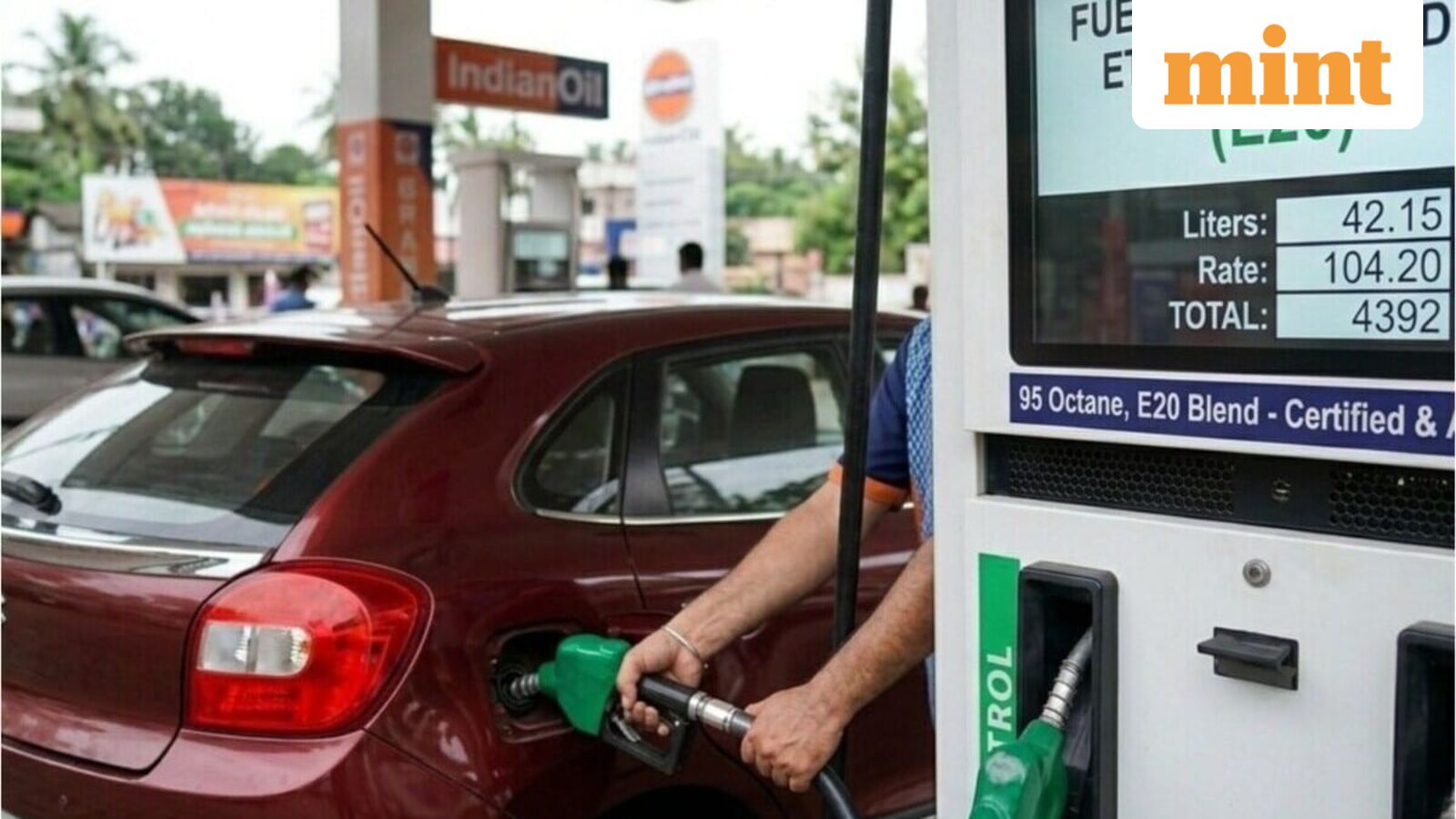
India's ethanol-blended petrol programme saved ₹1.97 lakh crore in forex by substituting 316 lakh tonnes of crude oil. The 20% blend target was met early, but any move beyond that requires more study and auto-industry consultation.
Alpha Score of 67 reflects moderate overall profile with strong momentum, strong value, weak quality, moderate sentiment.
The government has not taken any decision about increasing ethanol blending in petrol beyond 20%, the Centre said in a release today, even as it confirmed the existing programme hit its 5-year target ahead of schedule.
The clarification came alongside a written reply in the Lok Sabha on 23 July from Suresh Gopi, Minister of State in the Ministry of Petroleum and Natural Gas. Gopi said the ethanol-blended petrol (EBP) programme saved over ₹1.97 lakh crore in foreign exchange through substitution of roughly 316 lakh metric tonnes of crude oil. The statement also claimed a reduction of around 952 lakh metric tonnes of CO2 emissions and a transfer of over ₹1.66 lakh crore to farmers.
The release noted that introduction of E85 fuel – a blend containing 85% ethanol and 15% petrol – "does not constitute an increase in the nationwide base ethanol blending level of petrol." E85 is a separate product category, not a step toward higher mandatory blending.
"Any future decision regarding higher ethanol blends will be taken only after detailed scientific and technical studies and consultations with all relevant stakeholders, including automobile manufacturers, Oil Marketing Companies (OMCs) and research institutions," the government said.
India's EBP programme has been implemented through a phased process involving NITI Aayog, automobile manufacturers, OMCs, the Automotive Research Association of India (ARAI), the Society of Indian Automobile Manufacturers (SIAM), the Indian Institute of Petroleum (IIP) and other technical institutions, the release said.
The 20% blend was achieved five years ahead of the original target, "after more than two decades of phased policy development, stakeholder consultations, scientific evaluation and capacity creation," according to the statement.
The government's position leaves the blending cap at 20% for now, with any move beyond that contingent on further study and industry consultation.
Drafted by a large language model from the source reporting linked above, then screened by automated publishing checks. It is not read by a journalist before publication. Some articles cite our Alpha Score. Verify prices and figures against the original source. Educational coverage, not personalized advice.