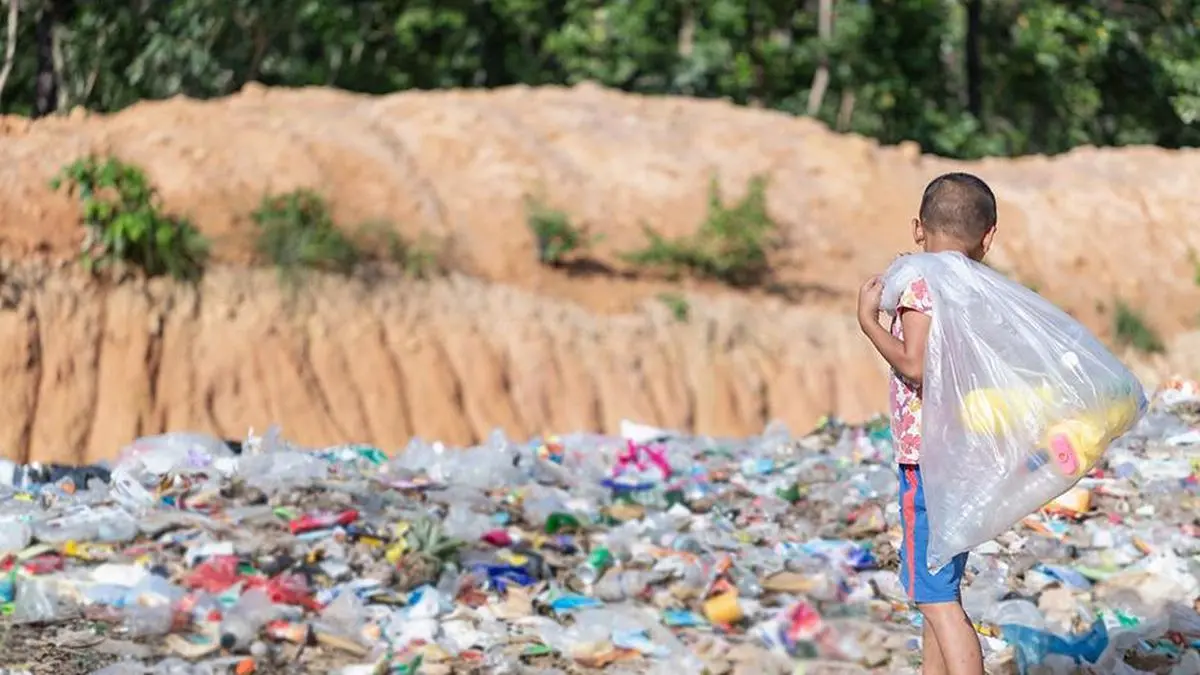
India rescued 40,000 child labourers in 2024-25, but 10 million remain in work. At current pace, clearing the backlog would take centuries.
India's anti-child-labour machinery pulled more than 40,000 children out of work, sexual exploitation and begging in the 2024-25 fiscal year, government data released ahead of World Day Against Child Labour on June 12 showed.
The figure represents a fraction of the problem. India is home to over 10 million child labourers, the highest count of any single country. Globally, 137.6 million children were engaged in child labour in 2024, including 54 million in hazardous work, the International Labour Organization estimates.
The rescue numbers have climbed in recent years as states expanded enforcement. The gap between the annual rescue rate and the total population of working children means that at the current pace, it would take centuries to clear the backlog. That is before accounting for new entrants pushed into work by poverty, displacement or family debt.
India's child labour laws ban employment of children under 14 and restrict adolescents aged 14-18 from hazardous occupations. The list of banned hazardous work includes mining, chemical manufacturing and work in factories with dangerous machinery. Enforcement falls to state labour departments and the central government's PENCIL portal, which tracks complaints and rescues.
Most child labour in India is concentrated in agriculture, domestic work, brick kilns, garment workshops and street vending. Girls are disproportionately pushed into domestic servitude, where they are invisible to inspectors working from factory lists. Boys more often appear in visible sectors like tea stalls, auto repair shops and construction sites.
The 40,000-plus rescues in 2024-25 included children pulled from commercial sexual exploitation and forced begging, categories that require coordination between labour inspectors and police anti-trafficking units. The government said it had also issued over 5,000 notices to employers found violating child labour laws during the same period.
India's National Commission for Protection of Child Rights has pushed for a broader definition of hazardous work that would cover domestic help and hospitality, two sectors where enforcement is weak. The commission has also recommended that district magistrates be held personally accountable for child labour in their jurisdictions.
Globally, the ILO has set a target of eliminating all child labour by 2025. That deadline has passed with the number stuck above 130 million. The next target is 2030, under the UN Sustainable Development Goals. At current rates of decline, the ILO projects the world will miss that mark by several decades.
For India, the arithmetic is stark. Rescuing 40,000 children a year against a stock of 10 million means the system is treading water. Without a step change in enforcement, school attendance and household income support, the number of children in work will not fall meaningfully in this generation.
Prepared with AlphaScala research tooling and grounded in primary market data: live prices, fundamentals, SEC filings, hedge-fund holdings, and insider activity. Each story is checked against AlphaScala publishing rules before release. Educational coverage, not personalized advice.