Macro● Neutral
India Rejects USTR Tariff Plan as Flawed, Urges Bilateral Talks
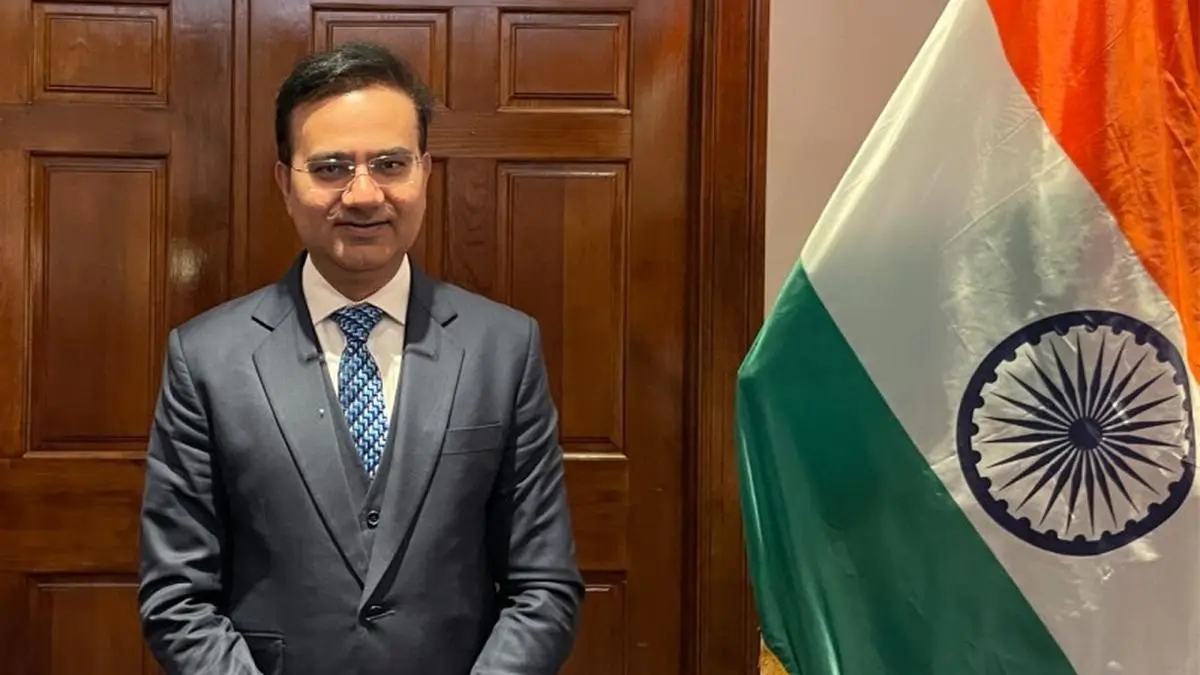
India told the USTR its proposed 12.5% tariff is built on weak evidence and improper methodology. New Delhi wants bilateral talks instead of unilateral measures. The USTR will decide later.
Continue with
India formally objected to the U.S. Trade Representative's proposed 12.5% tariff on Indian goods, arguing the investigation rests on weak evidence and an improper methodology. The government asked that any trade concerns be handled through bilateral negotiations instead of unilateral measures.
Joint Secretary in the Department of Commerce Brij Mohan Mishra, speaking at a USTR public hearing on July 8, said the agency had not met the legal standard under Section 301(d) of the Trade Act. A country cannot be penalized simply for lacking a forced-labor import ban without evidence that the absence causes competitive harm, he argued.
"The USTR has not satisfied the relevant legal standards," Mishra said, according to a transcript published on the USTR website. "A mere absence of a forced labour import prohibition without evidentiary basis of other statutory requirements cannot be construed as unreasonable."
The USTR launched Section 301 investigations into forced labor and excess industrial capacity on March 11 and 12, 2026, covering 60 economies. On June 3 it proposed tariffs: 10% on Canada, Ecuador, the European Union, Indonesia, Mexico, and Pakistan, and 12.5% on 54 others including India and China. The measure remains a proposal.
India's core objection is that the USTR lumped 46 economies into a single category without country-specific evidence. The report relies on case studies from a handful of countries and broad trade patterns, Mishra said. It does not link flagged imports to actual forced labor or show how those imports reach the United States.
"In relation to India, there is inadequate and insufficient evidence that lack of forced labour import ban causes an unfair competitive advantage to the detriment of the American industry," he said.