APEDA issued a new SOP requiring GMO testing on all rice destined for China after consignment rejections. Exporters seek a transition period until August 1. The move threatens a $100M market.
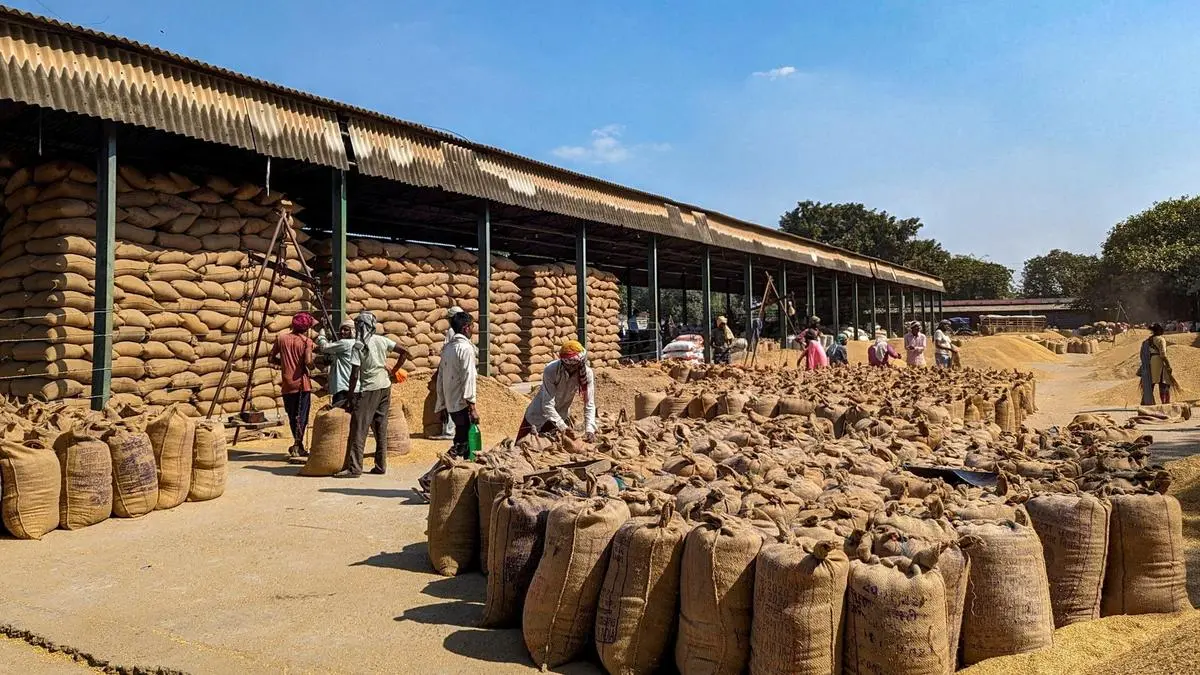
APEDA issued a new standard operating procedure (SOP) for rice exports to China, effective June 9, mandating GMO testing on every consignment. The move follows China's rejection of non-basmati rice shipments over alleged GMO contamination.
The trade body's general manager Vinita Sudhanshu said the procedure applies to all RCAC applications received from June 9 onward. Exporters must obtain testing from APEDA-recognised laboratories and ship only from rice mills registered with the Directorate of Plant Protection, Quarantine and Storage (DPPQS).
India exported 315,193 tonnes of non-basmati rice to China in 2025-26, worth $103.9 million. That was up from 180,805 tonnes the year before. The market opened after China removed non-tariff barriers in 2020. Until 2019-20, shipments were negligible – just 567 tonnes.
The new rules create immediate risk for exporters with contracts already signed. The Rice Exporters Association President B V Krishna Rao welcomed the SOP but asked for a transition period. Contracts already concluded and shipments under execution should be allowed to continue until July 31, Rao said. He suggested implementing the new procedure from August 1 to give exporters time.
APEDA's move is a direct response to China's refusal to accept India's claim that it is a non-GMO country for rice. APEDA told the General Administration of Customs of the People's Republic of China that India has no GMO rice seeds in commercial cultivation. ICAR and GEAC confirmed the same. China did not budge, industry sources said. The SOP formalises what China demanded.
The SOP requires exporters to apply for sample testing at recognised labs. After sampling, the lot cannot be shifted or relocated. Only after a clean test result does the exporter apply for the Registration-cum-Allocation-Certificate by submitting the Certificate of Analysis. The consignment also needs a Phytosanitary Certificate from DPPQS.
Exporters already face headwinds from African markets. At the Non-Basmati Rice Development Fund meeting in May, a section of exporters said Senegal, Burkina Faso, Benin and Sudan have taken restrictive measures to cut rice imports. That has hurt Indian non-basmati volumes. APEDA Chairman Abhishek Dev told exporters to diversify toward the Philippines, Indonesia and China, where India's share is below potential. He also urged exporters to incentivise farmers to grow varieties those markets want.
The immediate tension is between compliance and continuity. If APEDA grants the transition period, exporters have roughly seven weeks to execute existing contracts under old rules. If it sticks to the June 9 date, some shipments could be delayed or rejected, testing the market's resilience.
What happens next will depend on whether GACC accepts the new SOP as sufficient or demands further checks. China's GMO scrutiny is a non-tariff barrier India has sought to defuse through the SOP. The alternative – a prolonged dispute – would cost both sides the trade growth of the last five years.
Prepared with AlphaScala research tooling and grounded in primary market data: live prices, fundamentals, SEC filings, hedge-fund holdings, and insider activity. Each story is checked against AlphaScala publishing rules before release. Educational coverage, not personalized advice.