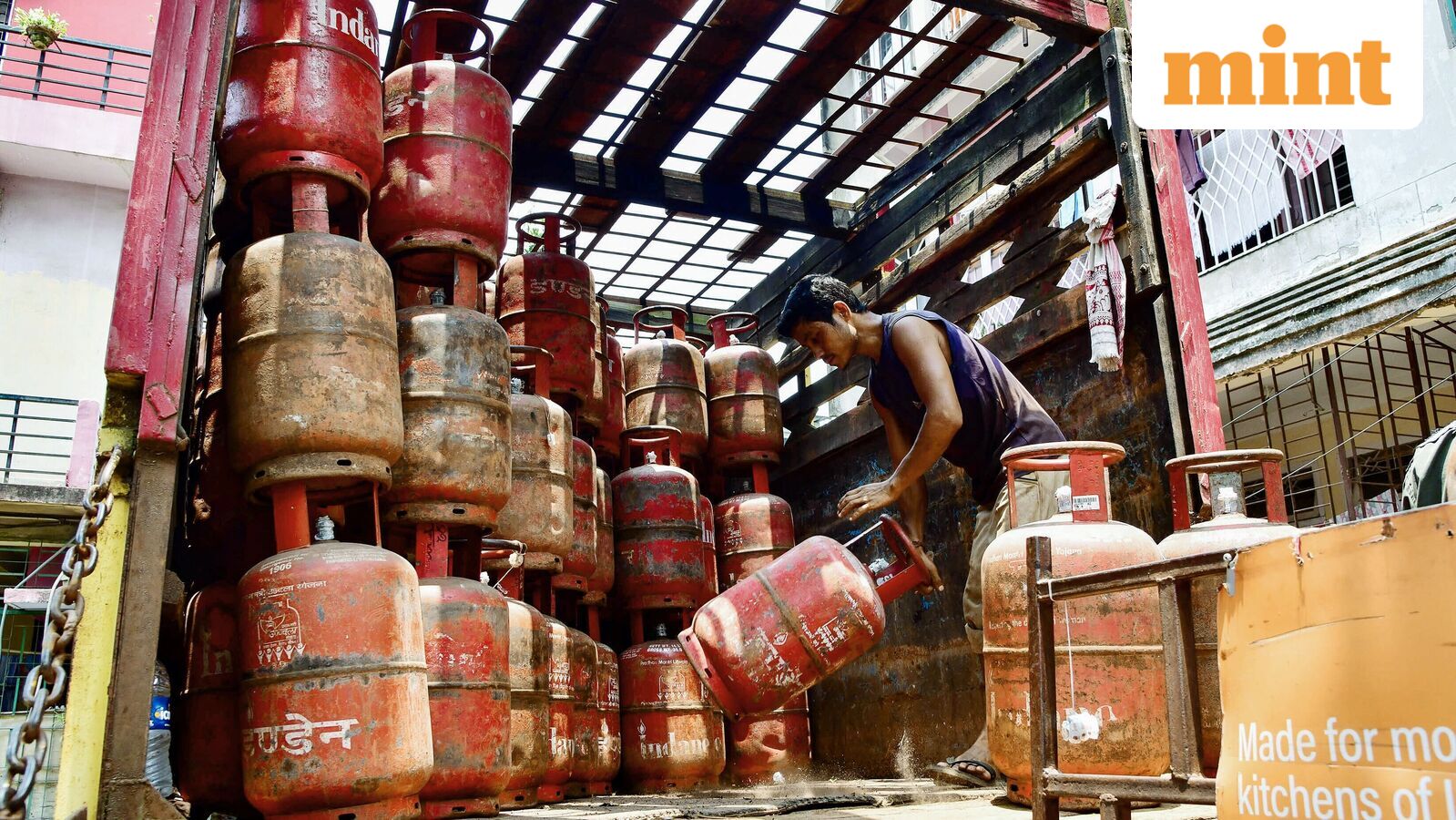
India's LPG imports from the US are set to hit 1 million metric tons in June, a record high, as supply routes through the Strait of Hormuz reopen after the US-Iran peace deal. The milestone comes after a sharp disruption that saw monthly imports from the region fall to 696,000 tons in April, down from a typical 2 million tons.
Eleven India-bound ships have transited the strait since the June 17 memorandum of understanding, the Ministry of External Affairs said Tuesday. The group includes three Indian-flagged crude oil tankers carrying over 285,000 metric tons each, one foreign-flagged LPG carrier, one foreign-flagged crude tanker, and six foreign-flagged bulk carriers hauling fertilisers. Ten Indian-flagged vessels remain in the Persian Gulf region, with two more arriving recently.
The supply crunch pushed domestic LPG prices higher. Oil marketing companies raised the 14.2 kg domestic cylinder by ₹29 on June 7, the second increase in three months after a ₹60 hike on March 7. The 19 kg commercial cylinder surged roughly ₹42 in the latest revision, tracking the Saudi Contract Price set by Saudi Aramco. Over the past four months, the commercial cylinder price has risen nearly 79%.
India's heavy reliance on West Asian LPG became clear during the disruption. Before the conflict, roughly 90% of India's LPG imports passed through the Strait of Hormuz. In May, imports recovered to 1.15 million tons, with 648,300 tons from the US and 134,700 tons from the UAE, according to Kpler data. Supplies from the UAE are recovering to 300,000-400,000 tons this month, and OMCs will receive about 45,000 tons from Kuwait in June.
Pulkit Agarwal, Head of India Content at S&P Global Energy, said the Middle East remains the most reliable source for the volumes India needs. Even with diversification efforts during the disruption, alternative markets could not fully replace West Asian supplies, he said, citing physical limitations on how much LPG India can source from other regions.
The reopening of the strait does not mean a quick return to normal. The 10 Indian-flagged vessels still in the Persian Gulf represent cargoes that have not yet cleared the chokepoint. And while US imports hit a record this month, the long-term question is whether India's supply chain has permanently shifted toward American LPG or will revert to Middle Eastern barrels as the primary source.
For traders tracking the sector, the key variable is the pace at which West Asian supplies normalise. If UAE and Kuwait volumes continue recovering toward pre-disruption levels, the premium on US-sourced LPG may narrow. If the strait remains a recurring risk, the record US import figure could become the new baseline rather than a one-off.