Macro● Neutral
India Kharif Sowing Drop Pushes Rice, Pulse Prices Higher
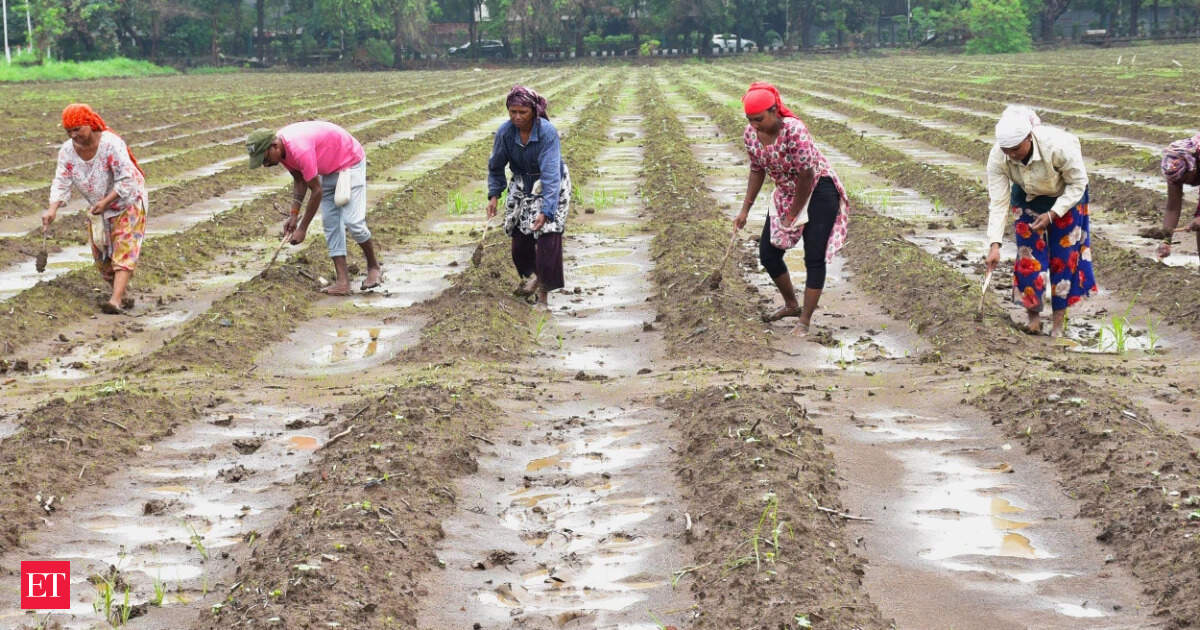
Rice inflation hit 1.72% in June, tur turned positive at 0.85%, and oilseed prices rose 5.42% as kharif acreage declined sharply. Below-normal rainfall and delayed sowing are squeezing supply.
Continue with
New Delhi: Reduced planting of key monsoon-season crops is pushing up retail prices, adding fresh inflationary pressure to an economy where food costs already weigh on household budgets.
Rice inflation rose to 1.72% in June from 0.23% in May as acreage fell 8.63% through July 10 versus the same period last year, government data show. The main kharif pulses – tur, urad and moong – also turned more expensive. Tur inflation swung to 0.85% in June from -1.77% in May. Urad inflation climbed to 2.16% from 0.89%, and moong to 1.71% from 1.15%. Their planting declined 30.29%, 29.71% and 10.62%, respectively, through July 10.
Oilseed inflation rose to 5.42% in June from 4.9% in May, with acreage down 21.1%.
Pulses are single-season crops, so supplies from one harvest must last until the next. Any delay in sowing or reduction in planted area raises concerns about future availability, said Madan Sabnavis, chief economist at Bank of Baroda. Pulse prices will stay elevated until there is greater clarity on crop prospects and actual harvest outcomes, he said.