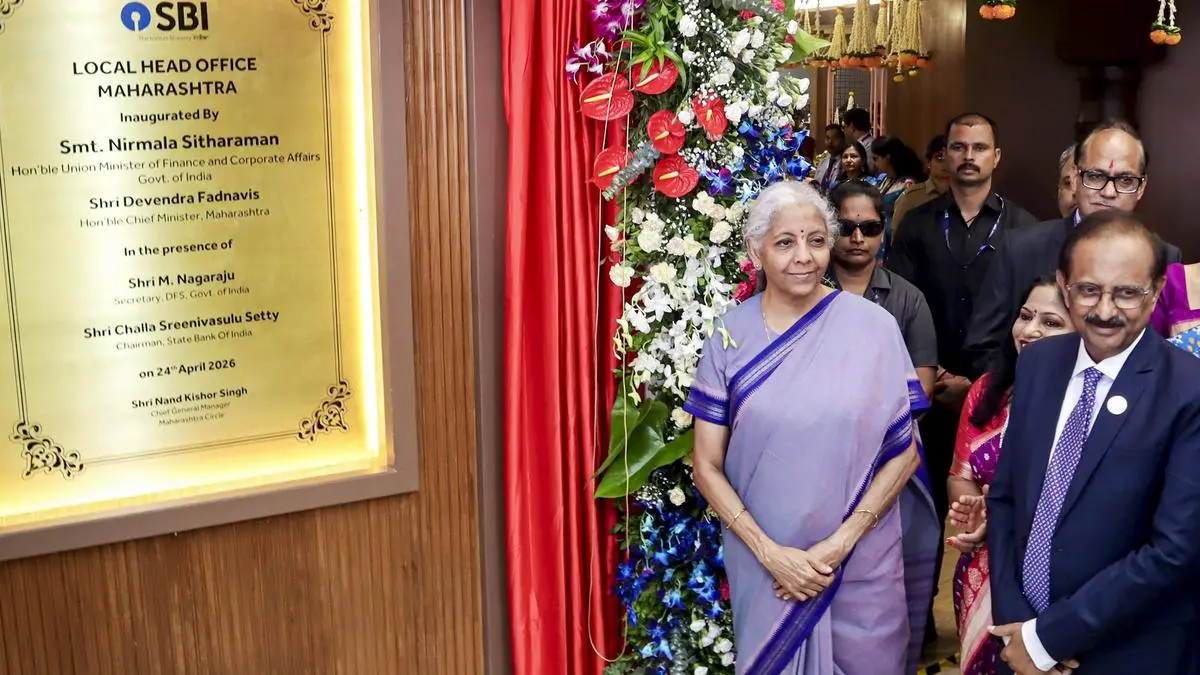
The Indian government has formally established a committee led by State Bank of India Chairman C S Setty to evaluate the systemic risks posed by the Mythos AI platform. This move follows rising concerns from regulators regarding the integration of advanced artificial intelligence into banking infrastructure and the potential for large-scale cyber threats to the national financial system. By tasking the head of the nation's largest lender with this assessment, the government signals a shift toward a more centralized oversight model for emerging technologies in the financial sector.
Systemic Risk and Banking Infrastructure
The primary focus of the committee is to determine how platforms like Mythos AI interact with existing banking protocols and whether they introduce vulnerabilities that could compromise financial stability. As financial institutions increasingly adopt automated decision-making and predictive modeling, the risk of cascading failures or algorithmic bias becomes a central concern for policymakers. The committee will examine the technical architecture of the platform to identify potential entry points for cyber threats that could bypass traditional security measures.
This initiative reflects a broader trend where regulators are moving beyond general guidelines to specific, asset-level audits of AI tools. The reliance on a banking-led panel suggests that the government intends to prioritize the resilience of the payment and settlement systems over the rapid deployment of unvetted software. The findings of this committee are expected to dictate the future compliance requirements for any AI platform seeking to operate within India's regulated financial ecosystem.
Regulatory Precedent and Sectoral Impact
For investors and stakeholders, the formation of this panel marks a critical inflection point in the regulatory environment for financial technology. While AI offers significant efficiency gains, the potential for regulatory friction is rising as authorities seek to balance innovation with systemic security. This development mirrors broader global discussions on how to manage the intersection of stock market analysis and automated financial tools.
AlphaScala currently tracks various financial and technology entities, including C stock page, which maintains an Alpha Score of 62/100. The outcome of the SBI-led review will likely set a benchmark for how other regional and global financial institutions approach the adoption of third-party AI platforms. The committee's mandate includes a review of current data protection standards and the development of a framework to mitigate risks associated with automated trading or credit assessment tools.
Next Steps for Compliance Frameworks
The committee is expected to deliver a preliminary report on the platform's security architecture and its potential impact on market liquidity. This report will serve as the foundation for new legislative requirements that could force developers to provide greater transparency into their algorithmic models. The next concrete marker for the market will be the release of the committee's findings, which will likely trigger a re-evaluation of current AI integration strategies across the banking sector. Future policy updates will focus on whether these platforms require mandatory stress testing similar to those applied to traditional financial assets during periods of volatility.