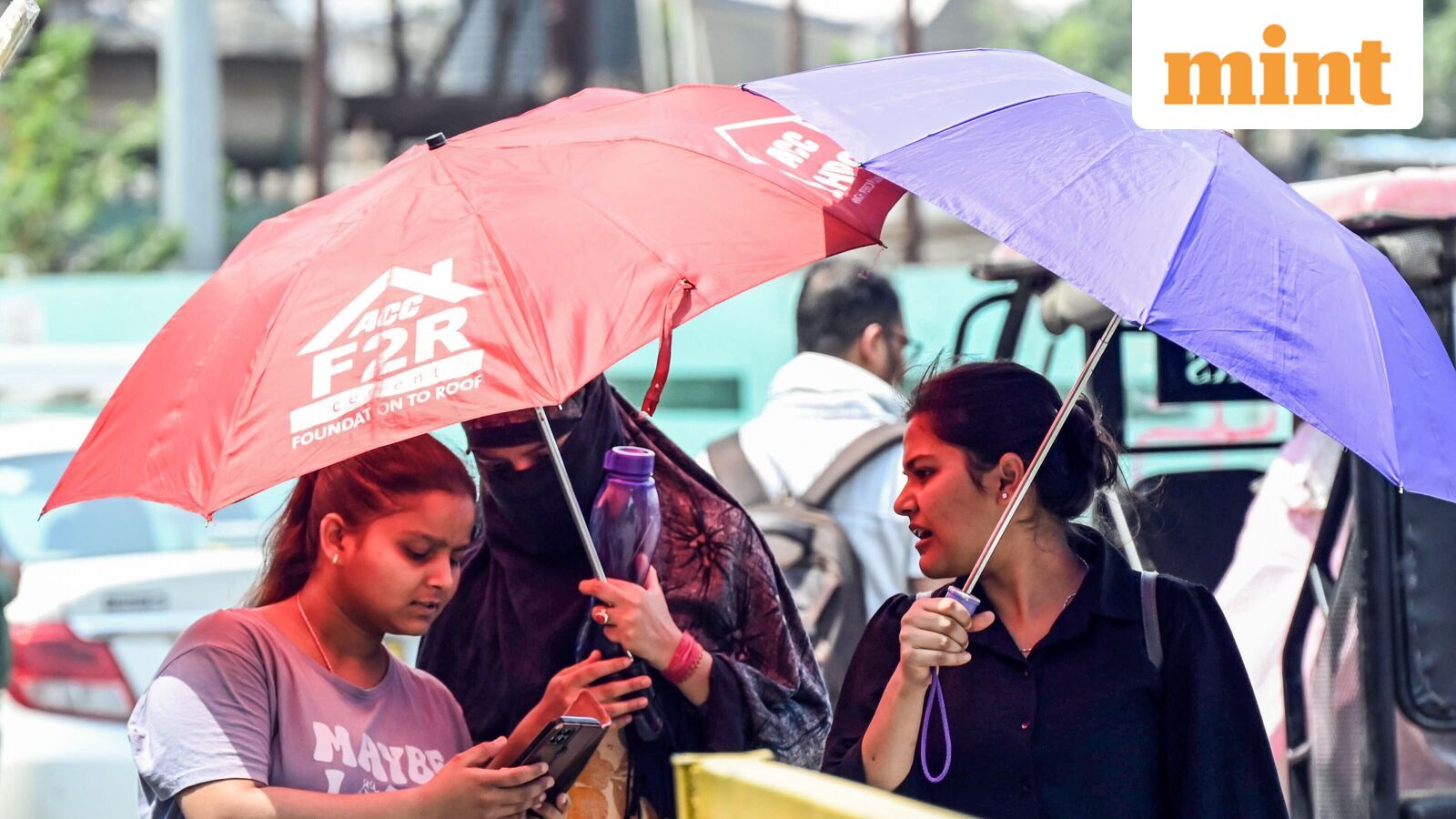
The India Meteorological Department has confirmed that extreme heatwave conditions have taken hold across Vidarbha, Rajasthan, and Uttar Pradesh, with Akola recording a peak temperature of 46.9 degrees Celsius. This surge in temperatures marks a critical shift in the regional climate narrative, moving from seasonal expectations to an active disruption of local economic activity. The persistence of these conditions over the next three days forces a re-evaluation of operational continuity for sectors heavily reliant on outdoor labor and stable power grids.
Impact on Agricultural Output and Power Demand
The immediate concern centers on the agricultural belt, where sustained temperatures near 47 degrees Celsius threaten crop yields and soil moisture levels. Beyond the fields, the heatwave places significant strain on regional power infrastructure as residential and industrial cooling demand spikes simultaneously. This creates a dual-pressure environment where energy supply must be prioritized to prevent grid instability while maintaining the cooling requirements necessary for commercial operations.
Investors monitoring regional exposure should consider the following factors:
- The duration of the heatwave beyond the initial three-day forecast, which determines the extent of crop damage.
- The ability of local utility providers to manage peak load without resorting to industrial power rationing.
- The potential for supply chain bottlenecks in logistics hubs located within the most affected zones.
Sectoral Read-through and Economic Sensitivity
While the immediate impact is localized, the broader implications for the consumer cyclical sector are notable. Companies with significant manufacturing footprints in these regions face potential downtime if labor productivity drops or if energy costs escalate due to grid surcharges. The sensitivity of these stocks often mirrors the volatility of regional input costs, as seen in broader stock market analysis regarding climate-related operational risks.
AlphaScala data provides a baseline for tracking how diversified firms navigate these regional headwinds. For instance, companies like Citigroup Inc., which maintains a moderate Alpha Score of 62/100, often serve as proxies for broader financial stability in regions undergoing rapid infrastructure shifts. Similarly, firms in the consumer space such as Amer Sports, Inc., currently holding an Alpha Score of 47/100, may face indirect pressure if regional discretionary spending patterns shift in response to prolonged environmental stress.
Path to Normalization
The next concrete marker for this event is the updated forecast from the India Meteorological Department following the initial three-day window. If the heatwave persists or expands geographically, the focus will shift to government intervention measures, including potential agricultural relief packages and emergency power allocation protocols. Monitoring the official meteorological bulletins will provide the necessary data to determine whether this event remains a short-term weather anomaly or evolves into a sustained drag on regional industrial output. The transition from active heatwave alerts to cooling trends will be the primary indicator for when operational risks begin to subside for affected regional stakeholders.