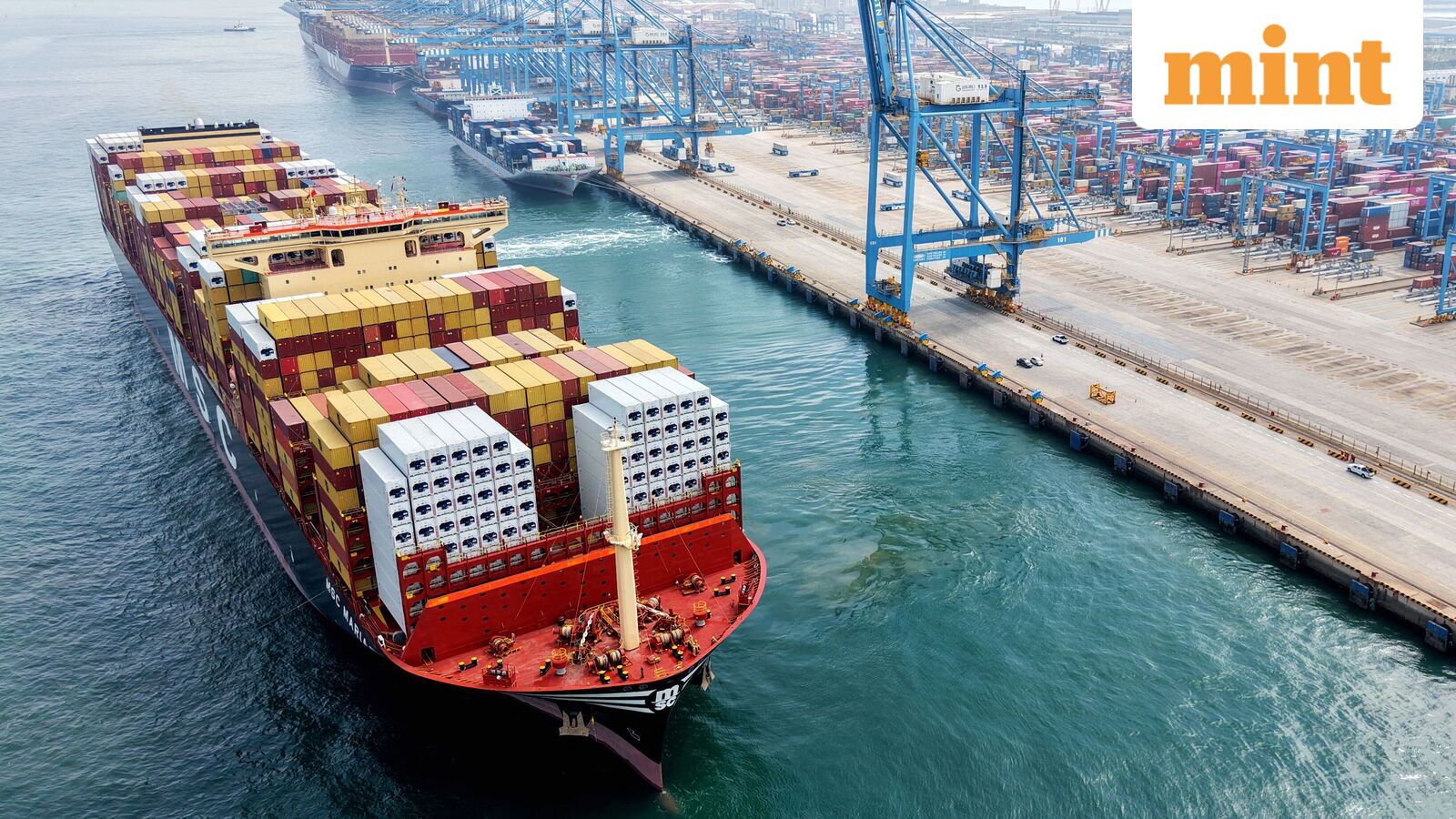
India Goods Exports Stumble in March Amid Geopolitical Volatility

India’s merchandise exports declined in March due to geopolitical instability affecting shipping routes, though the sector maintained relative resilience against 2025-26 tariff pressures.
March Export Contraction
India’s merchandise exports faced a setback in March as ongoing geopolitical turmoil disrupted global shipping lanes and supply chains. While specific aggregate figures for the month were impacted by these logistical bottlenecks, the broader trend shows a market grappling with external shocks rather than domestic demand failure.
Despite the immediate pressure on shipment volumes, Indian exporters maintained a resilient posture against the backdrop of global tariff rhetoric throughout the 2025-26 fiscal cycle. This ability to absorb trade friction suggests that while short-term volatility remains elevated, the underlying industrial base is not currently facing a structural collapse.
Geopolitical Hurdles and Trade Flows
The primary driver of the March decline stems from regional instability that has forced shipping companies to reroute vessels away from high-risk corridors. These longer transit times inflate costs for exporters and delay inventory turnover cycles, effectively acting as a tax on trade margins. For traders monitoring market analysis, the current situation highlights how localized conflicts ripple into global supply chains, affecting everything from finished goods to raw materials.
| Factor | Impact on Exports |
|---|---|
| Shipping Disruptions | High (Increased Lead Times) |
| Tariff Uncertainty | Moderate (Hedging Required) |
| Global Demand | Stable (Holding Steady) |
Market Implications for Traders
Traders should note that the sensitivity of Indian trade data to shipping costs often acts as a leading indicator for broader Asian logistics markets. When transit times extend, the immediate impact is a compression of margins for export-heavy firms. If these disruptions persist, expect further volatility in sectors reliant on just-in-time delivery models.
Investors looking for correlation between trade output and the broader gold profile should focus on how currency fluctuations respond to shifts in the trade balance. A sustained dip in exports often softens the local currency, which in turn necessitates closer scrutiny of import-heavy sectors. If shipping lanes normalize, the reversal of these costs could provide a quick tailwind for earnings in the next quarter.
Catalysts to Watch
- Shipping Insurance Premiums: Any decline in risk-adjusted shipping costs is a primary signal of potential export recovery.
- Global Tariff Developments: Traders should monitor policy rhetoric in 2025-26, as any escalation in protectionism will likely outweigh the benefits of improved logistics.
- Inventory Turnover Data: Watch for signs of supply chain catch-up in the coming months, which would indicate that the March dip was a temporary bottleneck rather than a loss of market share.
The durability of India’s trade position depends on whether shipping lanes stabilize before global tariff pressures intensify in the second half of the year.
AI-drafted from named primary sources (exchange feeds, SEC filings, named news wires) and reviewed against AlphaScala editorial standards. Every price, earnings figure, and quote traces to a specific source.