Commodities● Neutral
India Gold Duty Hike to Cut Imports 10-15%, Wedding Demand Holds
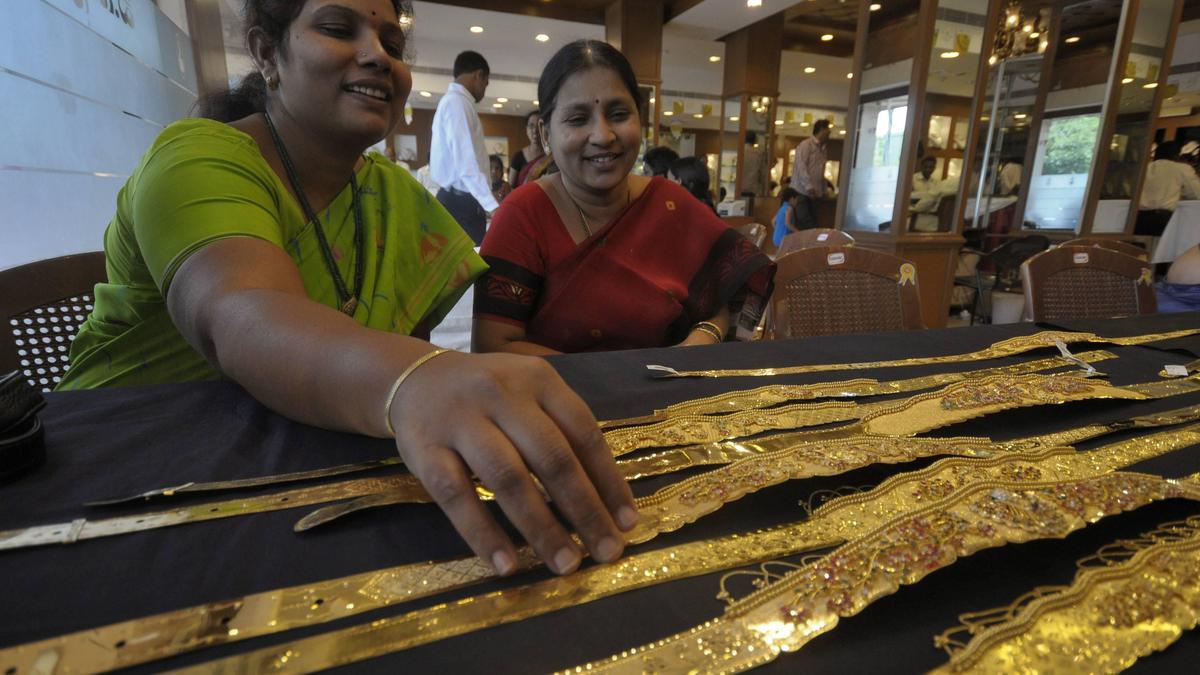
India hiked gold import duty to 15%. Senco Gold sees 10-15% drop in imports but says wedding demand holds; consumers shift to lighter karat jewellery. Value growth intact, volumes under pressure. Mid-June wedding season next catalyst.
Continue with
The Indian government's decision to lift the gold import duty to 15% introduced a fresh cost hurdle that will re-shape physical demand patterns without derailing the country's most inelastic buyer: the wedding purchaser. Senco Gold Ltd, one of India's listed jewellery retailers, directly addressed the impact in a post-budget trading update, providing a clear readthrough for the entire gold jewellery sector and the global physical gold market.
Traders who treat India's gold demand as a monolithic pulse on the way up or down miss the detail. The wedding floor is structurally solid. The volume that sits on top of it is not. That is the read that matters for anyone tracking physical offtake, import numbers, or Indian premiums on the LBMA price.
Import Duty Hike to 15% Re-Orders India's Gold Equation
The duty had previously been set at a lower threshold, meaning the hike immediately raised the landed cost of gold in the domestic market, compressing the arbitrage against international spot and increasing the upfront burden for jewellery buyers. A single-digit duty environment had allowed demand to run hot on the back of a rally in local-currency gold prices; the move to 15% resets the cost calculus without a grace period.
The Immediate Cost Increase
For a consumer buying a 10-gram gold chain, the duty component now absorbs a much larger share of the transaction. Jewellers cannot simply absorb the hit because the industry operates on thin value-add margins and a high share of raw material passthrough. The adjustment therefore flows straight to purchase volumes, either through smaller ticket sizes, lower karatages, or the activation of old-gold exchange programmes.
Why Wedding Demand Is Structurally Inelastic
Wedding-related jewellery buying in India is not discretionary in the conventional sense. It is woven into ritual, family signalling, and intergenerational wealth transfer. A bride's trousseau, the ceremonial gifts, and the visible store of value embedded in gold are traditions that a duty hike does not erase. The spending line item survives. The amount of metal it represents, however, becomes the variable.
Senco Gold's Forecast: 10-15% Import Moderation, Value Growth Intact
Suvankar Sen, MD and CEO of Senco Gold Ltd, gave the industry's most concrete guidance since the duty change. He noted that while the high-duty environment will lead to a moderation in overall gold imports, wedding-related demand remains structurally sound because of deep-rooted cultural traditions.
"What we are more likely to witness is a shift in consumer behaviour, with customers opting for lighter-weight jewellery, including 9kt, 14kt and 18kt jewellery, along with exchange-led purchases and more value-oriented designs to optimise budgets while continuing wedding-related buying."
That one sentence disassembles the neat "Indian demand is resilient" headline into three specific behavioural shifts that reduce the number of grams walking out of showrooms.
The Shift to Lighter Karatages and Exchange-led Purchases
The migration to 9kt, 14kt, and 18kt jewellery is not just a price response. It is a structural reallocation of the jewellery weight mix that permanently removes a portion of fine gold demand–0.999 purity bar and coin demand–from the import pipeline. Exchange-led purchases use existing household gold to offset new purchases, meaning the net new metal required shrinks even when the gross transaction value holds.
Volume Pressure versus Value Resilience
The company maintained its 20-25% value growth guidance for FY27, a number that sounds bullish until it is placed next to the expected 10-15% moderation in gold imports. Rising gold prices inflate the rupee value of every piece sold, so value growth does not automatically signal volume growth. Sen's own forecast decouples the two: value holds, volume contracts. For a globally traded commodity where physical offtake sets the floor under speculative positions, the volume signal is the one that eventually shows up in vault statistics and leasing rates.
Sector Readthrough: Jewellers See Same Trend, Same Caveat
Two other industry voices confirmed the pattern, showing that the Senco Gold read is not a single-name story.