New Delhi will not sign a bilateral trade deal with the United States unless the pact locks in a tariff advantage over developing-country competitors in the American market, according to a source close to the negotiations. The latest negotiating round, for which a US team headed by chief negotiator Brendan Lynch has arrived in New Delhi, will test whether that condition is compatible with Washington’s legal constraints after a Supreme Court ruling upended the earlier framework.
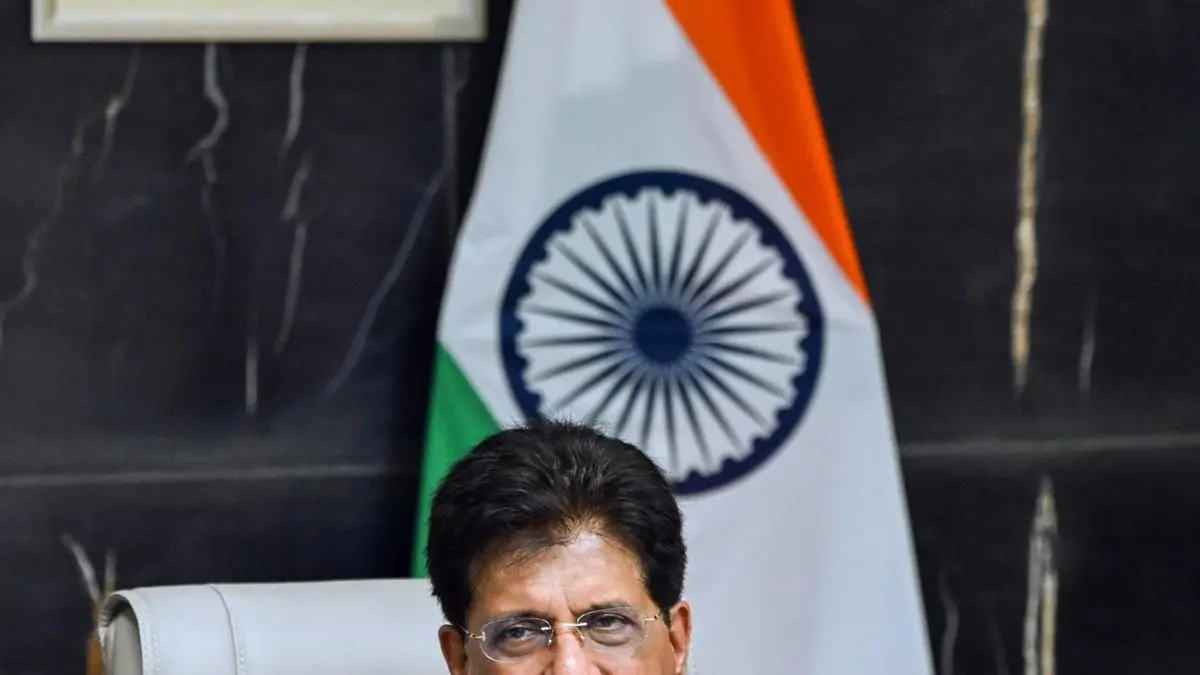
Commerce Minister Piyush Goyal on Monday endorsed US Ambassador Sergio Gor’s estimate that 99 per cent of the deal is done. “Mostly everything is finalised,” Goyal told the media. The remaining 1 per cent, however, contains the entire source of structural advantage that India’s exporters are demanding.
India’s tariff red line: 18 per cent lock-in and competitor edge
Under the February framework, the US offered to lower reciprocal tariffs for India from 25 per cent to 18 per cent – slightly better than the rates offered to regional competitors Vietnam, Bangladesh, Indonesia, and Malaysia. That framework also rolled back the 25 per cent penalties imposed for India’s purchases of Russian oil. In return, New Delhi agreed to cut tariffs on industrial and many agricultural products.
The advantage is not a symbolic concession. In sectors where margins are measured in single digits, a two- to three-percentage-point gap against Vietnam and Bangladesh determines which country wins sourcing orders. The source added, “India’s ultimate objective is to get a trade deal with the US which is better than any of its competitors so that it gains a definite edge in the American market.”
Why the framework stalled
The February agreement never took effect. A US Supreme Court ruling invalidated the reciprocal tariff mechanism that underpinned it. The US then imposed a temporary 10 per cent global tariff expiring July 23, alongside Section 301 investigations that threaten India with steep penalties imposed by the US Trade Representative (USTR) office. That legal shift explains why India is now insisting on a written carve-out from Section 301.
The Section 301 exemption: the real deal-breaker
Section 301 of the US Trade Act allows the president to impose tariffs on countries whose trade practices are deemed unfair. The US has initiated investigations into India’s digital services tax and broader trade practices. If the USTR imposes penalties, they could override any bilateral tariff agreement.
India wants a commitment that Section 301 penalties will not apply to any product covered under the bilateral deal, both now and in the future. “If the US agrees to exempt India from additional Section 301 penalties, both now and in the future, it is something that India could work with,” the source said.
Goyal acknowledged the legal complexity: “It needs to be seen how the legal changes that have taken place in the US subsequently get reflected in the final agreement.”
Risk to watch: Without that exemption, the 18 per cent figure is meaningless. India walks away, leaving the current 10 per cent temporary tariff – or worse, the original 25 per cent reciprocal tariff – in place.
Sector channels: who wins and who loses
A deal that locks in a tariff advantage reshapes the earnings outlook for four export-heavy groups.
- Textiles and apparel: The most price-sensitive category. A 2–3 percentage point gap against Vietnam and Bangladesh can shift sourcing decisions. Companies such as Trident, Welspun, and Vardhman Textiles are direct beneficiaries.
- Pharmaceuticals: India is a major generic drug supplier to the US. Lower tariffs combined with a competitor edge widen margins for Sun Pharma, Dr. Reddy’s, and Cipla.
- IT services: Not directly tariff-bound, a stable trade relationship reduces regulatory risk on H-1B visas. TCS and Infosys benefit from reduced uncertainty.
- Automotive components: If India gets better terms than Mexico or Thailand, the calculus changes for Motherson Sumi and Bharat Forge.
Practical rule: Watch the textile sector first. Margins are thinnest there, so any tariff advantage shows up fastest in order books. If the deal collapses and Section 301 penalties are imposed, these same sectors face a double blow – higher tariffs plus lost orders to competitors who got better deals.
Rupee and bond market transmission
The rupee has been under pressure from a wide trade deficit and portfolio outflows. A deal that locks in competitive tariffs supports export earnings and could slow the rupee’s depreciation trend. A failure that triggers Section 301 sanctions would widen the current account gap and accelerate INR weakness.
India’s factory output recently slowed to 4.9 per cent under a new base series, as covered in our India Factory Output Slows to 4.9% Under New Base Series report. That weakens the macro case for a strong rupee, making tariff relief more important for the trade balance.
Bond yields and RBI rates
Lower input costs from tariff cuts could ease producer price pressures, giving the Reserve Bank of India more room to cut rates. Brokerages have turned cautious on India’s inflation outlook, as noted in Why Are Brokerages Turning More Cautious on India's Inflation Outlook?. A deal that reduces tariff uncertainty and lowers imported inflation would make rate cuts more probable, supporting Indian government bond prices.
Key insight: The India 10-year yield is the cross-asset anchor. If the deal progresses clearly, expect yields to edge lower on disinflation hopes. If negotiations sour, yields rise on INR weakness and inflation fears.
Negotiating timeline: next decision points
The US trade team is already in New Delhi for this week’s round. USTR Jamieson Greer is expected to visit India only after the two sides reach an understanding on Section 301, according to the source. “That will be after we reach an understanding on the Section 301 investigations and tariffs and we are closer to sealing the deal.”
Three failure points stand out.
- Section 301 exemption not granted: Without that exemption, India walks away. The advantage disappears if Section 301 penalties apply on top of the bilateral tariff.
- Legal or legislative changes: The February framework was scuttled by a court ruling. Further legal shifts could reopen the entire tariff schedule.
- Time pressure: The temporary 10 per cent global tariff expires July 23. After that, the US could move back to higher penalties under the original 25 per cent reciprocal tariff. India must finalise terms before that date or lose negotiating leverage.
Bottom line for traders: The 99 per cent figure is a negotiating tactic, not a valuation. The remaining 1 per cent – the Section 301 carve-out – contains the entire risk premium for Indian exporters. If Greer schedules a visit before July 23, the deal is likely to close. If not, expect the tariff advantage to revert to a level playing field, and adjust sector positions accordingly.