Earnings● Neutral
India Cement Makers See Sluggish H1, Pin Hopes on H2 Demand
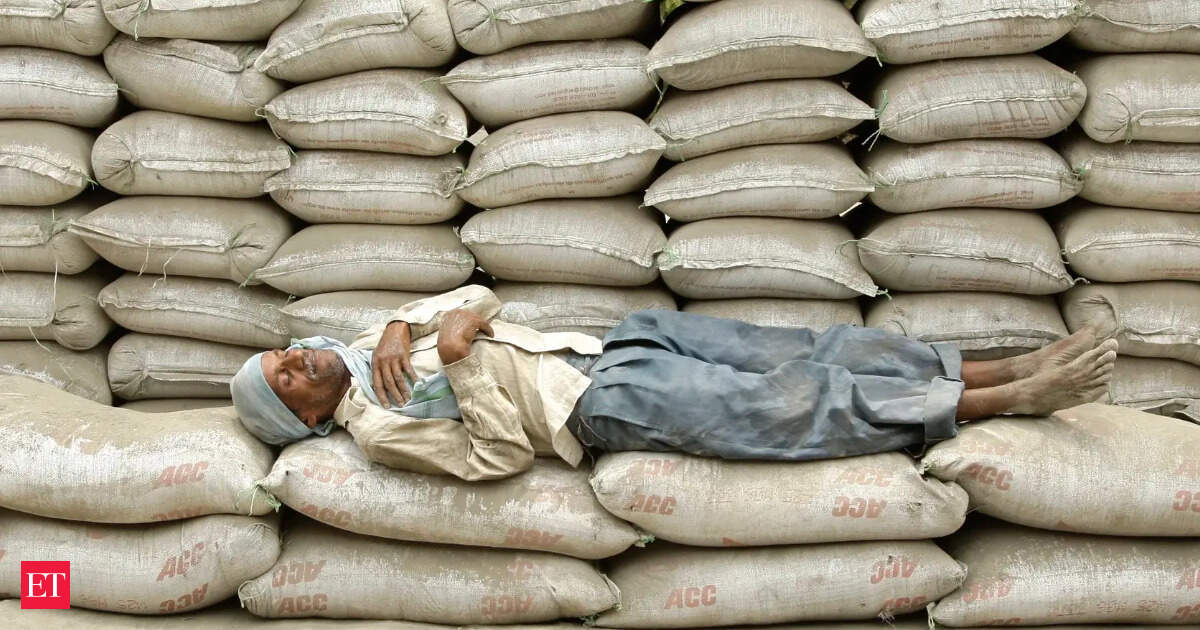
India's cement sector expects sluggish volume growth in H1 FY27 as input costs rise and demand weakens. Capacity utilization may slip to 65%. Recovery hinges on H2 government spending and housing demand.
Continue with
India's cement sector expects volume growth to stay sluggish through the first half of fiscal 2027, according to an industry report. Rising input costs and weak demand will keep cement prices under pressure, the report said.
Price increases announced in April 2026 are unlikely to fully offset the profitability decline, the report added. Fresh capacity additions scheduled for fiscal 2027 and 2028 will also weigh on pricing power.
The report cited higher coal and power costs as the main input pressure. Freight expenses have risen as well. On the demand side, rural markets have softened. Urban real estate activity has moderated from last year's pace. Government infrastructure spending, a key driver, has been slower to materialize in the first quarter.
Supply growth adds another layer. Several new plants are slated to begin production in central and eastern India over the next 18 months. That will increase capacity in regions where utilisation rates are already below 70% for some players.
Cement makers typically revise prices quarterly to pass on cost changes. The weak demand environment limits their ability to do so. The report did not provide specific volume or price forecasts. It said the sector's performance will hinge on demand trends in the second half.
A recovery in the second half depends on a pickup in government infrastructure spending and a seasonal increase in housing demand after the monsoon, the report said. Cement companies will need to manage operating costs tightly to protect margins through the period.