Stocks● Neutral
India Bans OTC Cough Syrups: Pharma Retail Exposure
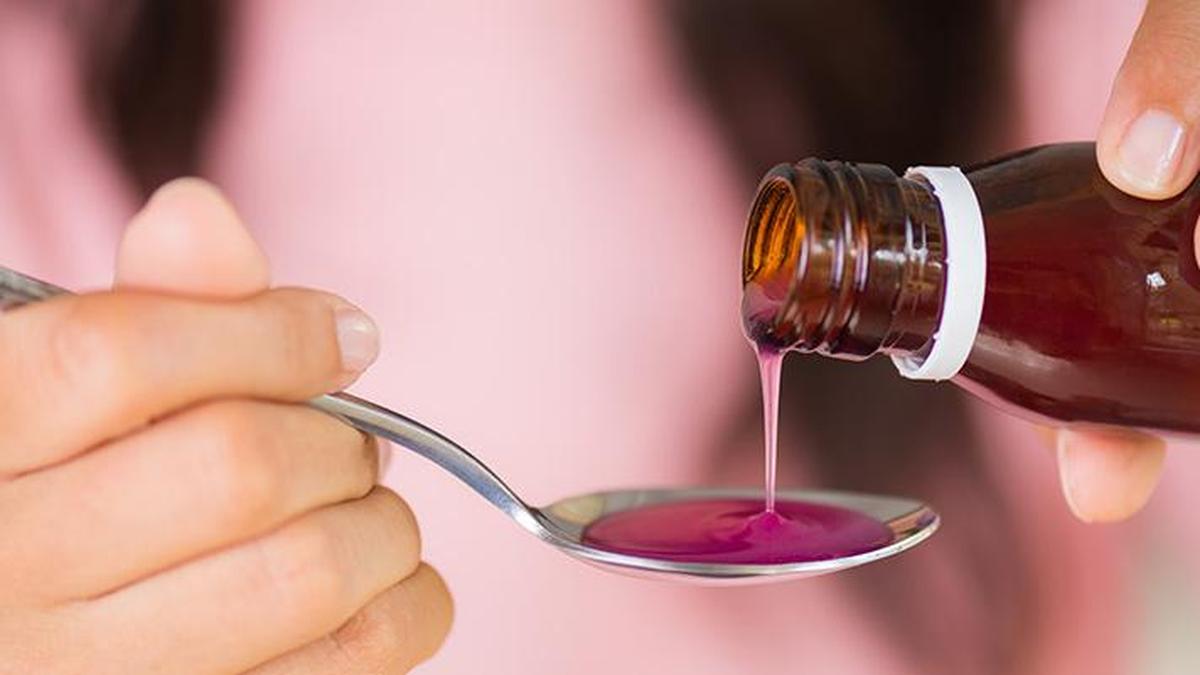
India banned over-the-counter sale of cough syrups without a prescription, removing Schedule K exemption. Pharma companies face revenue risk from rural OTC sales. Watch prescription shift and quality compliance.
Continue with
India's health ministry banned over-the-counter sale of cough syrups without a prescription, tightening rules after a string of contamination cases. The amendment removes cough syrups from Schedule K of the Drugs Rules, 1945 – a list that previously exempted small villages from pharmacy licensing requirements, the ministry said in a notification.
Schedule K had allowed sale of cough syrups in villages with fewer than 1,000 people without compliance with retail licensing provisions. Dropping the word “Syrup” from that entry ends the exemption. The change follows consultation with the Drugs Technical Advisory Board.
Schedule K Exemption Removed for Cough Syrups
The 2022 deaths of children in Gambia were linked to Indian-made cough syrups. Similar incidents in Madhya Pradesh turned up diethylene glycol in samples. In 2023, the Centre mandated pre-export testing of cough syrups. In October 2025, it called for online tracking of high-risk solvents. This month’s notification tightens domestic distribution.