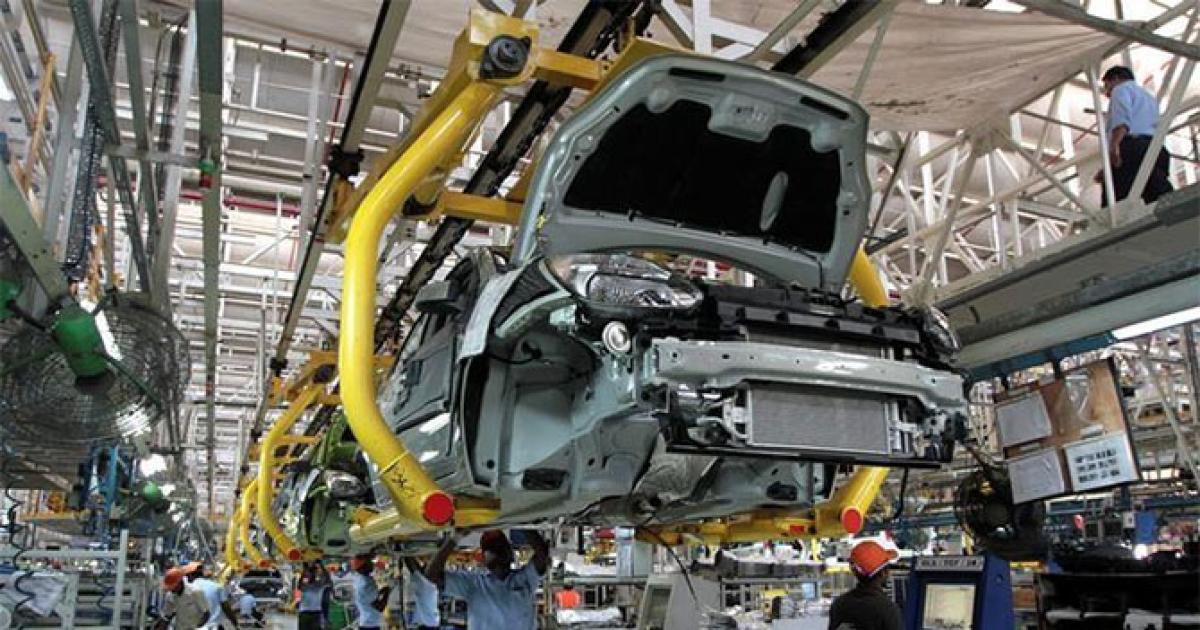
Passenger vehicle dispatches rose 27.3% to a May record of 438,854 units, SIAM said. Utility vehicles and scooters led the surge. The strong print sets a high bar for the festive season.
India's passenger-vehicle dispatches hit a record for the month of May, climbing 27.3% from a year earlier to 438,854 units, the Society of Indian Automobile Manufacturers said Monday. The jump reflected reduced GST rates and easier financing terms, with demand picking up across segments, SIAM director general Rajesh Menon said.
Utility vehicles remained the volume driver in the PV segment, rising 24.8% to 245,549 units. Passenger cars posted a steeper increase of 28.8% to 120,975 units. Vans gained a more modest 7.4% to 13,240 units. The utility-vehicle share of total PV dispatches now accounts for more than half, a mix shift that typically boosts revenue growth at automakers such as Mahindra & Mahindra and Tata Motors. Maruti Suzuki, with a broad lineup spanning entry-level cars and compact SUVs, also benefits from the segment-wide recovery.
Two-wheeler sales climbed 14.8% to 1,902,209 units. The standout number came from scooters, which jumped 27.4% to 739,667 units. Motorcycles rose a slower 7.2% to 1,113,973 units. The gap between scooter and motorcycle growth rates widened to more than 20 percentage points, a pattern that usually correlates with improving urban consumer sentiment and easier credit availability. Bajaj Auto and Honda Motorcycle & Scooter India are the two largest scooter manufacturers in the country and the direct beneficiaries of that demand shift.
Three-wheelers, a key category for commercial use and last-mile logistics, surged 31.1% to 70,720 units. Across all categories, total vehicle wholesales increased 16.8% to 2,352,693 units.
Menon pointed to the lower base from May 2025 as one contributing factor. The core driver, he said, was demand created by the GST rate reduction and easier access to financing, which boosted offtake across segments. "Passenger vehicles, three-wheelers and two-wheelers recorded the highest ever sales of May in 2026, with high double-digit growth in each segment," Menon said.
The SIAM data tracks dispatches from factories to dealers, not actual retail sales. That distinction matters because dealer inventory levels will determine how much of the wholesale surge reaches end customers. The industry body reports retail figures separately. If dealers are holding higher stock, the next round of dispatches could slow as they clear inventory before the festive season.
The record May print sets a high bar for the rest of the fiscal year. Monsoon rains, crop output, and any reversal in financing conditions will shape whether the run rate can hold through the peak selling period that typically runs from September to December. Automakers have been betting on sustained demand after the GST cuts, and the May numbers reinforce that thesis. The question now is whether the momentum carries through the monsoon months, when rural income and agricultural cash flows drive a significant portion of two-wheeler and entry-level car purchases.
For investors tracking the sector, the scooter and utility-vehicle numbers offer the clearest read on consumer health. Both segments are credit-sensitive and skew toward urban and semi-urban buyers. The recovery in scooters, in particular, suggests financing conditions are easing faster than many had expected. The motorcycle figure, by contrast, reflects more rural exposure, where the recovery has been slower.
Maruti Suzuki reports its monthly dispatches this week, and Mahindra & Mahindra and Tata Motors follow in the coming days. Those numbers will give a clearer picture of which automakers captured the most market share in May. SIAM's aggregate data already signals that the broader industry is running well ahead of last year's pace. The test will be whether that pace is sustainable.
Prepared with AlphaScala research tooling and grounded in primary market data: live prices, fundamentals, SEC filings, hedge-fund holdings, and insider activity. Each story is checked against AlphaScala publishing rules before release. Educational coverage, not personalized advice.