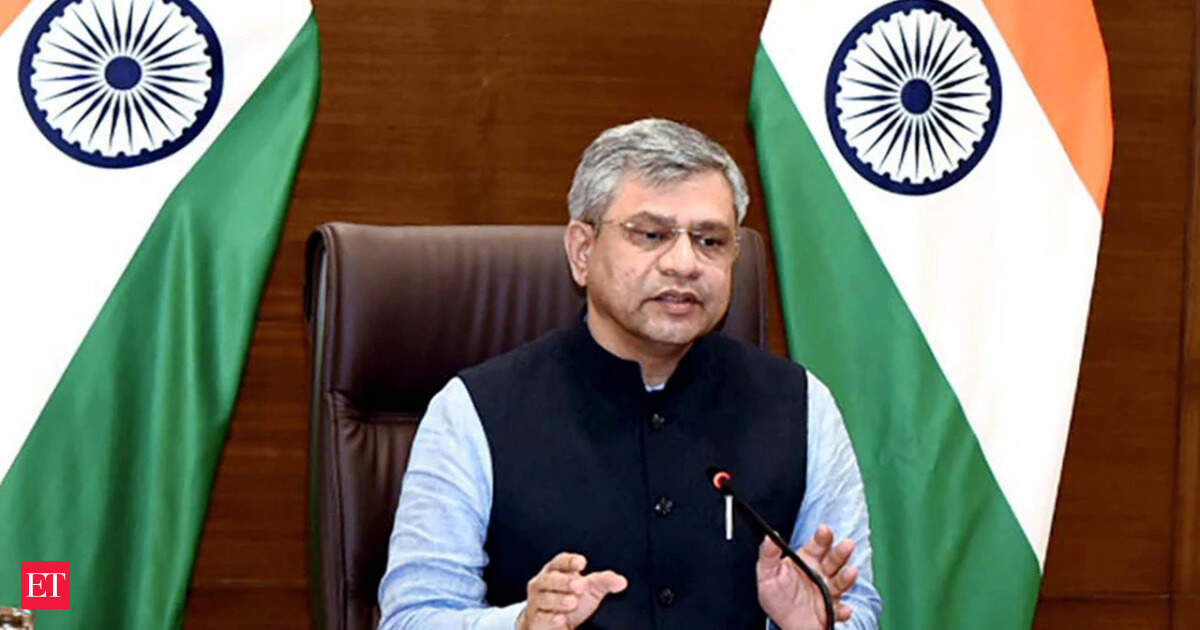
India expects to reduce its annual PCB import bill by roughly ₹40,000 crore as domestic manufacturing scales up, Union Minister Ashwini Vaishnaw said. Jewar in Uttar Pradesh is emerging as a central hub for electronics production, he added.
Printed circuit boards are the backbone of nearly every electronic device, from smartphones to industrial machinery. India currently imports the bulk of its PCB requirements, mainly from China and Taiwan, creating a significant drain on foreign exchange. The push to localise production aligns with the government's broader production-linked incentive scheme for electronics.
The Jewar region, which already hosts a major airport and industrial corridor, is attracting investment from component makers and assembly units. Vaishnaw did not specify a timeline for achieving the full ₹40,000 crore savings target. The estimate suggests the government expects the import gap to narrow as new plants reach commercial output.
For manufacturers, the shift means shorter supply chains and lower logistics costs. It also reduces exposure to cross-border trade disruptions. The minister's comments come as India pushes to deepen local value addition in electronics, a sector where assembly has grown faster than component manufacturing.