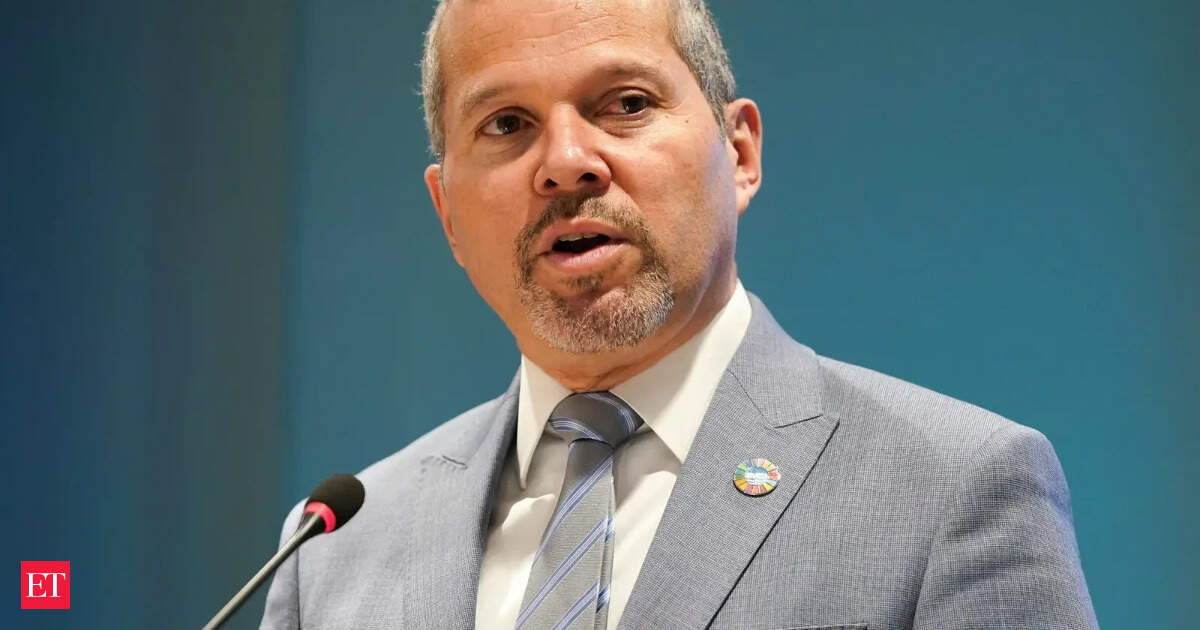
The head of the International Maritime Organization has publicly endorsed international efforts to secure freedom of navigation within the Strait of Hormuz. This diplomatic stance arrives as regional tensions between the United States and Iran continue to complicate maritime logistics. By framing the protection of these shipping lanes as a necessary measure for global trade stability, the organization is attempting to insulate commercial transit from broader geopolitical disputes.
Maritime Security and Trade Continuity
The IMO's position focuses on the principle that shipping lanes must remain neutral corridors regardless of the political climate between nations. The current strategy involves clearing navigational hazards and coordinating the evacuation of seafarers stranded by the ongoing volatility. These operational steps are intended to preserve the integrity of the supply chain, which remains highly sensitive to disruptions in this specific geographic chokepoint. The organization explicitly warned against the use of commercial shipping as a tool for political leverage, signaling that such tactics threaten the established norms of international maritime law.
Sectoral Impact and Operational Risks
Energy markets and global logistics firms are sensitive to any shift in the security status of the Strait of Hormuz. For companies operating in the energy sector, such as those tracked on our IMO stock page, the stability of these transit routes is a primary determinant of operational costs and insurance premiums. When transit security is questioned, the immediate impact is often seen in the pricing of energy commodities and the rerouting of tankers, which adds significant time and expense to global distribution networks.
AlphaScala data currently reflects a nuanced view of the energy sector, with Imperial Oil Ltd (IMO) holding an Alpha Score of 49/100, categorized as Mixed. This score highlights the broader uncertainty facing energy-linked equities as they navigate both commodity price fluctuations and geopolitical risks that threaten the physical movement of goods. While the IMO chief's comments provide a clear stance on the necessity of safe passage, the actual risk to trade remains tied to the enforcement of these navigation rights on the ground.
Future Markers for Maritime Stability
The next concrete marker for this narrative will be the success of the ongoing hazard-clearing operations and the frequency of reported incidents involving commercial vessels. Any further escalation that forces a change in shipping routes or results in the detention of crews will likely trigger a reassessment of risk premiums for energy and logistics companies. Market participants should monitor official updates from the IMO regarding the status of transit corridors and any subsequent diplomatic agreements that aim to formalize the protection of these lanes. The ability of international coalitions to maintain a consistent presence in the region will serve as the primary indicator of whether trade flows can be sustained without significant disruption.