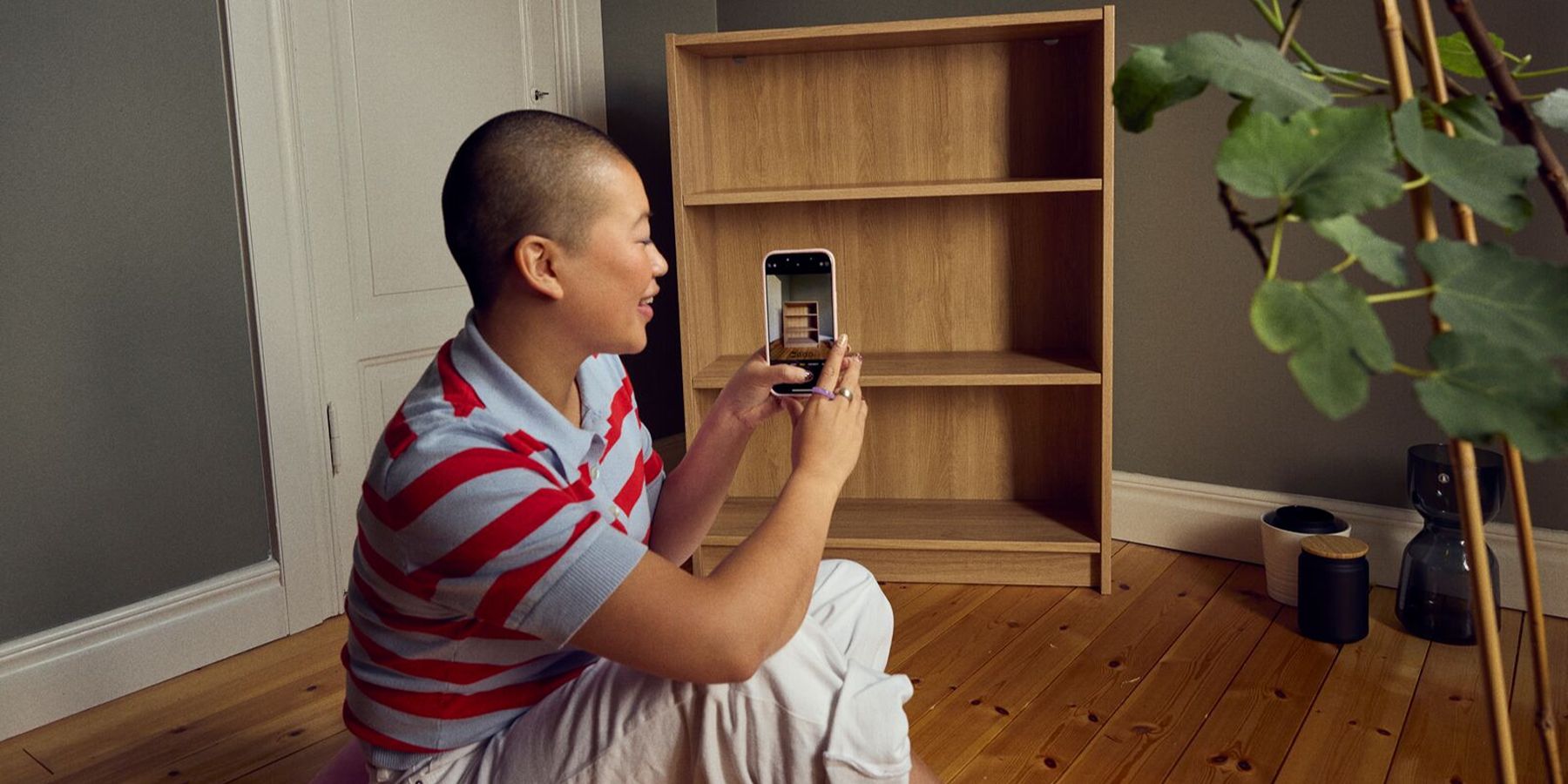
IKEA is bringing its peer-to-peer second-hand marketplace to the UK later this year, giving IKEA Family members a direct channel to sell pre-owned furniture to one another. The platform, already tested in Spain and Norway, will live inside IKEA's own digital ecosystem, bypassing third-party resale sites that currently handle a large share of IKEA goods.
A spokesperson said the company wants to make passing on pre-owned IKEA pieces "as seamless as possible" and create a "trusted and vibrant space" for direct trades between members. The move comes as the Swedish furniture giant faces softer demand. Retail sales have slipped, and rising costs have pushed IKEA to cut corporate jobs, lower product prices, and open smaller local outlets.
IKEA sees the marketplace as a loyalty driver. Keeping customers inside its own platform means fewer transactions leak to Gumtree or Facebook Marketplace, where a significant share of second-hand IKEA furniture is currently resold. The company also framed the launch as part of its goal to become a fully circular business by 2030, meaning every product is designed to be reused, repaired, or resold rather than discarded.
The pilot in Spain and Norway gave IKEA a chance to test the user experience and fee structure before bringing it to the UK. IKEA has not disclosed whether it will charge transaction fees or how it plans to handle shipping and returns. The platform is exclusive to IKEA Family members, a free loyalty program that already offers discounts and product warranties. Tying the marketplace to that program could drive new sign-ups and deepen engagement with existing members.
The launch reflects a wider push among retailers to control the resale of their products. Patagonia's Worn Wear program and Apple's refurbished store are earlier examples of companies capturing value from their own second-hand goods. For IKEA, the second-hand market is particularly large: the company sells roughly 500 million products a year worldwide, and a meaningful portion ends up on resale platforms within a few years. By bringing that trade in-house, IKEA can gather data on product longevity and customer preferences while keeping revenue inside its ecosystem.
More details on pricing, fees, and the exact launch date are expected later this year. IKEA did not say how many members it expects to use the service or what revenue target it has set for the marketplace. The company's 2030 circularity goal means this is likely the first of several recommerce initiatives, not a one-off experiment.