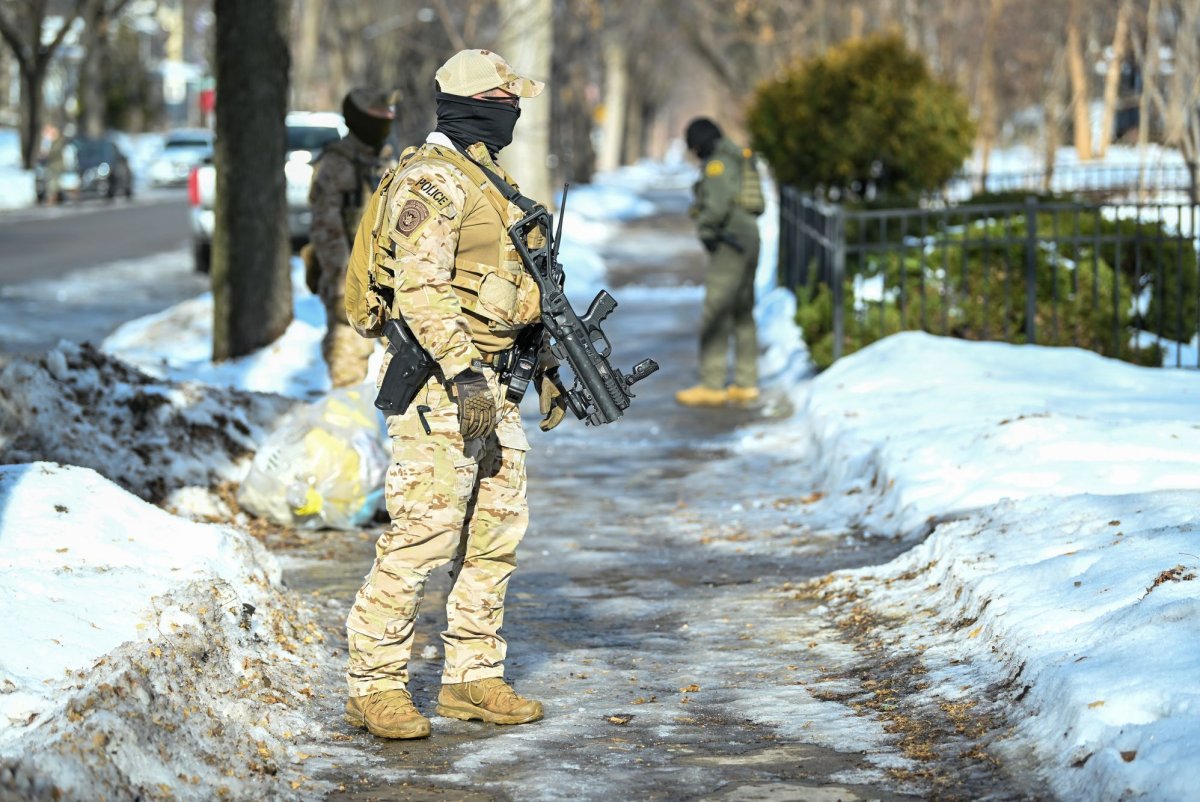
Minnesota prosecutors charged an ICE agent with two counts of second-degree assault on Thursday following an incident where the officer allegedly pointed a firearm at two individuals. The charges represent a rare legal action against a federal law enforcement official operating within the state, triggering immediate scrutiny regarding standard operating procedures for federal task force members.
Legal Implications for Federal Officers
Second-degree assault in Minnesota carries significant legal weight, often involving the use of a dangerous weapon. The filing of these charges suggests that prosecutors found sufficient evidence that the officer's conduct exceeded the scope of authorized force during the encounter. While federal officers frequently operate under the umbrella of immunity, specific instances of alleged misconduct can bypass these protections, leading to state-level prosecution.
Legal experts suggest that this case could influence how local law enforcement agencies collaborate with federal counterparts. When federal agents operate within municipal jurisdictions, the friction between federal mission requirements and local statutes is constant. Traders often look to market analysis of regional stability when incidents like this disrupt daily operations in major state hubs, as legal volatility can occasionally impact local business sentiment.
Institutional Impact and Oversight
This incident forces a re-examination of the oversight mechanisms governing federal agents when they are not directly involved in large-scale operations. The charges highlight the tension between federal law enforcement autonomy and local accountability standards. If the case proceeds to trial, the discovery process may reveal more about the specific protocols that led to the weapon being drawn.
Historically, legal actions against federal agents are infrequent. When they do occur, they typically lead to:
- Increased administrative reviews of multi-agency task forces.
- Potential changes in local training requirements for federal-local collaborative efforts.
- Heightened sensitivity among local advocacy groups regarding federal presence.
What Traders Should Watch
For those tracking the broader administrative and legal sectors, the primary concern is whether this charge signals a shift in how state prosecutors handle federal misconduct. While this event is localized, it serves as a reminder of the legal risks that can emerge in highly regulated environments. Market participants should monitor for any policy shifts regarding federal-local coordination in Minnesota, as these can affect the operational efficiency of various public and private sector projects.
Investors looking at momentum investing should keep an eye on how state-level legal interventions impact public sector hiring and retention in the region. Should this case lead to stricter local guidelines for federal agents, it could alter the operational overhead for agencies that rely on local cooperation to function effectively. The outcome of the initial hearings will set the tone for whether this remains an isolated event or turns into a broader legal precedent.