Hyundai Motor and Kia sold more cars in the United States during the first six months of 2026 than any prior first half, and the engine of that growth was not electric vehicles. It was hybrids.
The two South Korean automakers, along with the Genesis luxury brand, delivered 920,383 vehicles in the U.S. from January through June, up 3% from the same period last year, Hyundai Motor Group said Thursday. Hyundai accounted for 489,656 of those sales, up 2.7%. Kia sold 430,727 vehicles, a 3.4% gain.
Hybrid sales surged 65.5% to a record 225,321 vehicles. Hyundai's hybrid sales rose 50% to 114,870. Kia's jumped 85.3% to 110,451. The hybrid and electric vehicle category combined hit 265,514 units, up 47% and crossing the 250,000 mark for the first time. Those vehicles now represent 31.2% of the group's total U.S. sales, or more than three of every ten vehicles sold.
Battery-electric sales told a different story. They fell 9.7% to 40,193 vehicles as the broader U.S. EV market continued to cool.
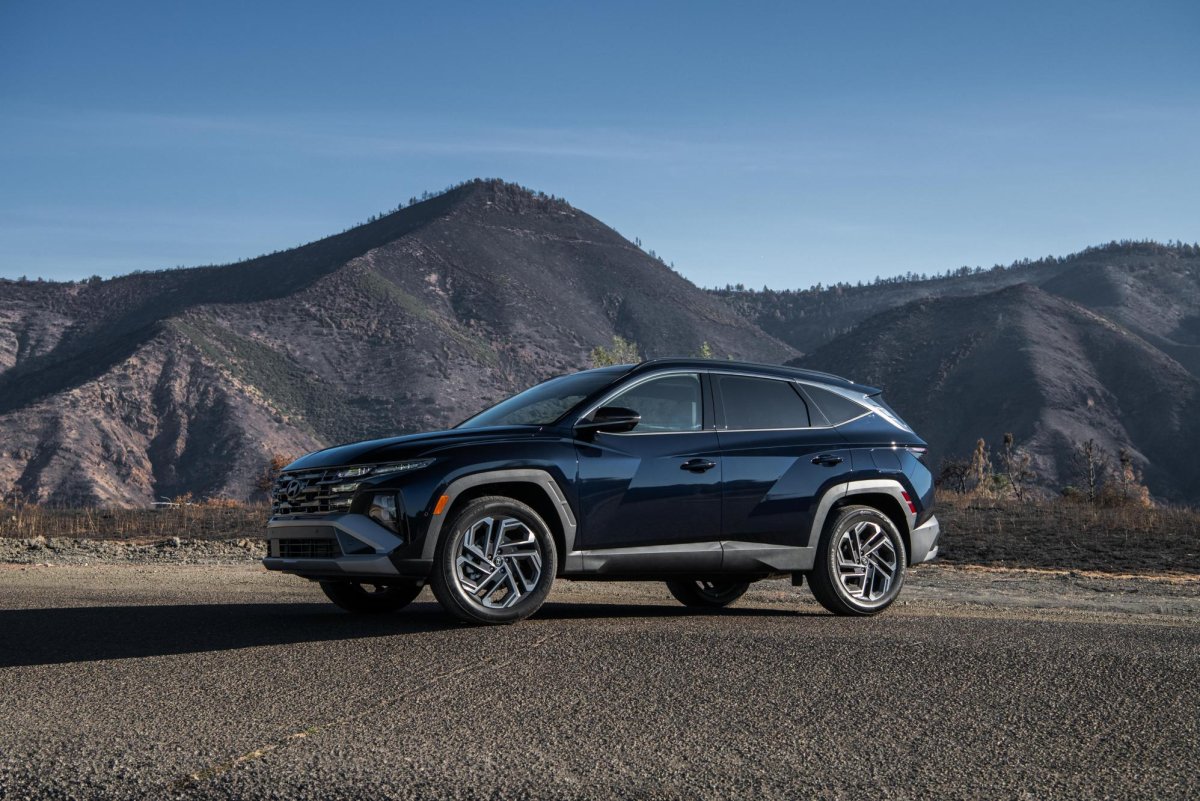
The group's strength came from offering hybrid powertrains across a wide range of models rather than concentrating them in a single niche. Hybrid versions of the Hyundai Tucson and Santa Fe and the Kia Sportage, Sorento and Carnival drove the numbers. The Hyundai Elantra and Kia K4 also posted steady sedan sales.
Hyundai's best-selling U.S. model was the Tucson at 117,612 vehicles, followed by the Elantra at 79,839 and the Santa Fe at 64,003. Kia's top seller was the Sportage at 94,907, then the Telluride at 73,602 and the K4 at 73,579. Most of those are compact or midsize SUVs and practical sedans.
Industry officials said the strategy of spreading hybrid options across vehicle categories let the group pivot quickly as consumer demand shifted. "Product competitiveness and the expansion of local production are supporting Hyundai and Kia's sales in the U.S. market," one industry official said. "If the companies continue improving their sales mix around hybrids, they are likely to maintain solid performance in the second half."
The second half carries uncertainty. Possible changes to U.S. auto tariffs, elevated borrowing costs, and continued weakness in EV demand all hang over the outlook. Hyundai Motor Group is accelerating operations at its Metaplant America in Georgia to increase U.S. production capacity and hedge against trade-policy shifts. The group plans to expand hybrid supply further and lean into its SUV lineup.
Hyundai Motor Group's CCL stock page Alpha Score sits at 48 out of 100, a Mixed label in the Consumer Discretionary sector.