How the Mobile Phone Became a Productive Asset for the World's Poor
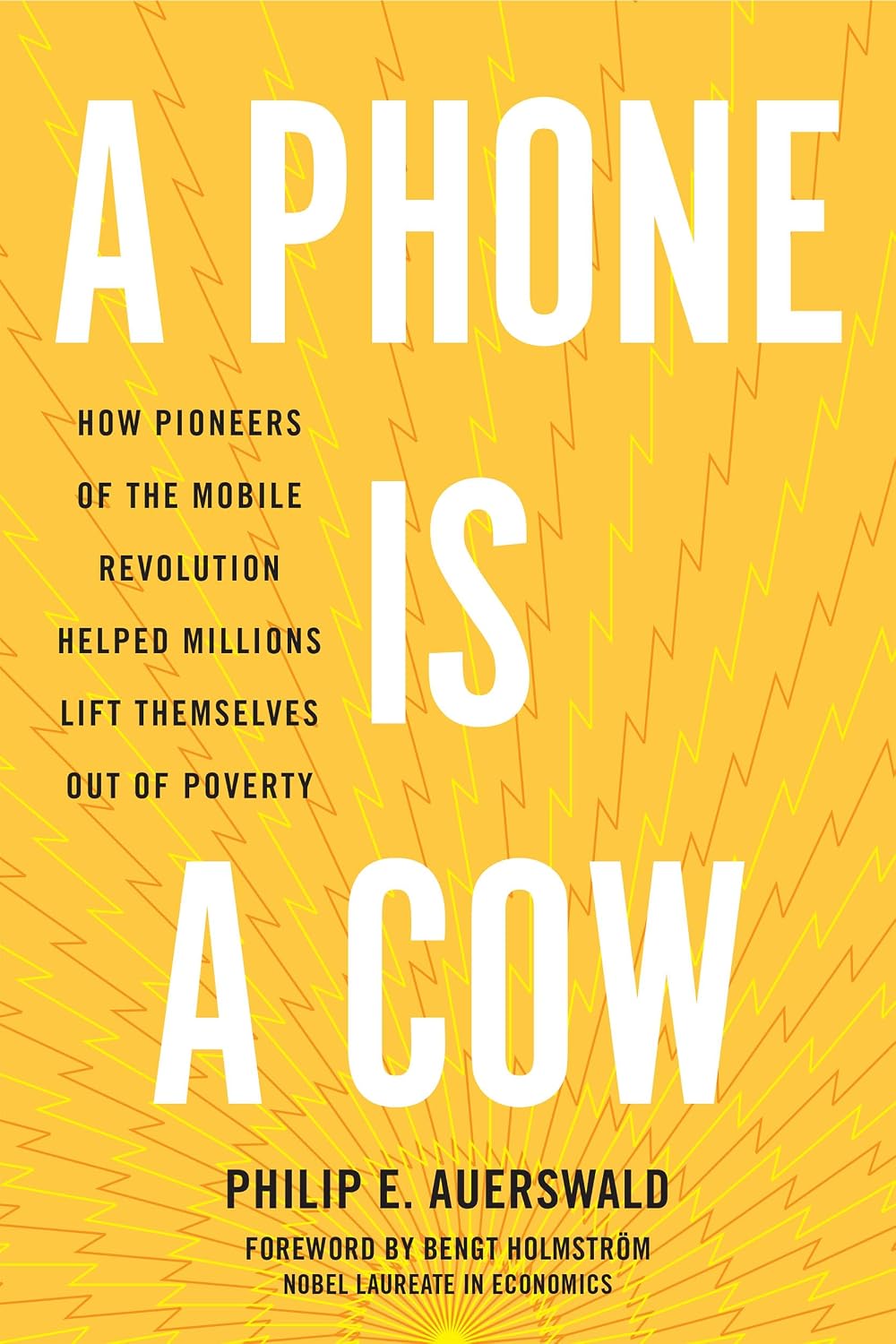
The mobile phone reached the global majority faster than any prior technology. Iqbal Quadir's Grameenphone model turned phones into income-generating assets, reshaping telecom economics in emerging markets.
The mobile phone reached more people faster than any technology before it. That is the central claim of Philip Auerswald's "A Phone is a Cow," a book that weaves together the history of the mobile phone, the story of Iqbal Quadir's Grameenphone in Bangladesh, and a theory of economic growth.
Quadir's insight was simple. Just as Grameen Bank lent villagers money to buy a cow – a productive asset that generated income – Grameenphone could lend them the money to buy a phone. The phone then became a revenue-generating tool, not just a communication device. This model helped drive adoption rates that outpaced fire, writing, and the portable radio.
For the telecom sector, the readthrough is about the nature of demand in emerging markets. The phone is not a luxury; it is a capital good. That changes how operators think about pricing and network investment. It also opens the door for mobile money and other financial services, which extend the phone's role as an income-generating asset.
The rapid global reach of mobile telephony has implications for handset makers and mobile payment platforms. The model Quadir proved in Bangladesh has been replicated across Africa and Asia, reshaping the economics of connectivity.
The book's broader argument – that technologies succeed when they become productive assets for the poor – offers a lens for evaluating future innovations in the sector.
Drafted by a large language model from the source reporting linked above, then screened by automated publishing checks. It is not read by a journalist before publication. Some articles cite our Alpha Score. Verify prices and figures against the original source. Educational coverage, not personalized advice.