Stocks● Neutral
How Student Loan Forgiveness Hopes Cost Borrowers 7% in Value
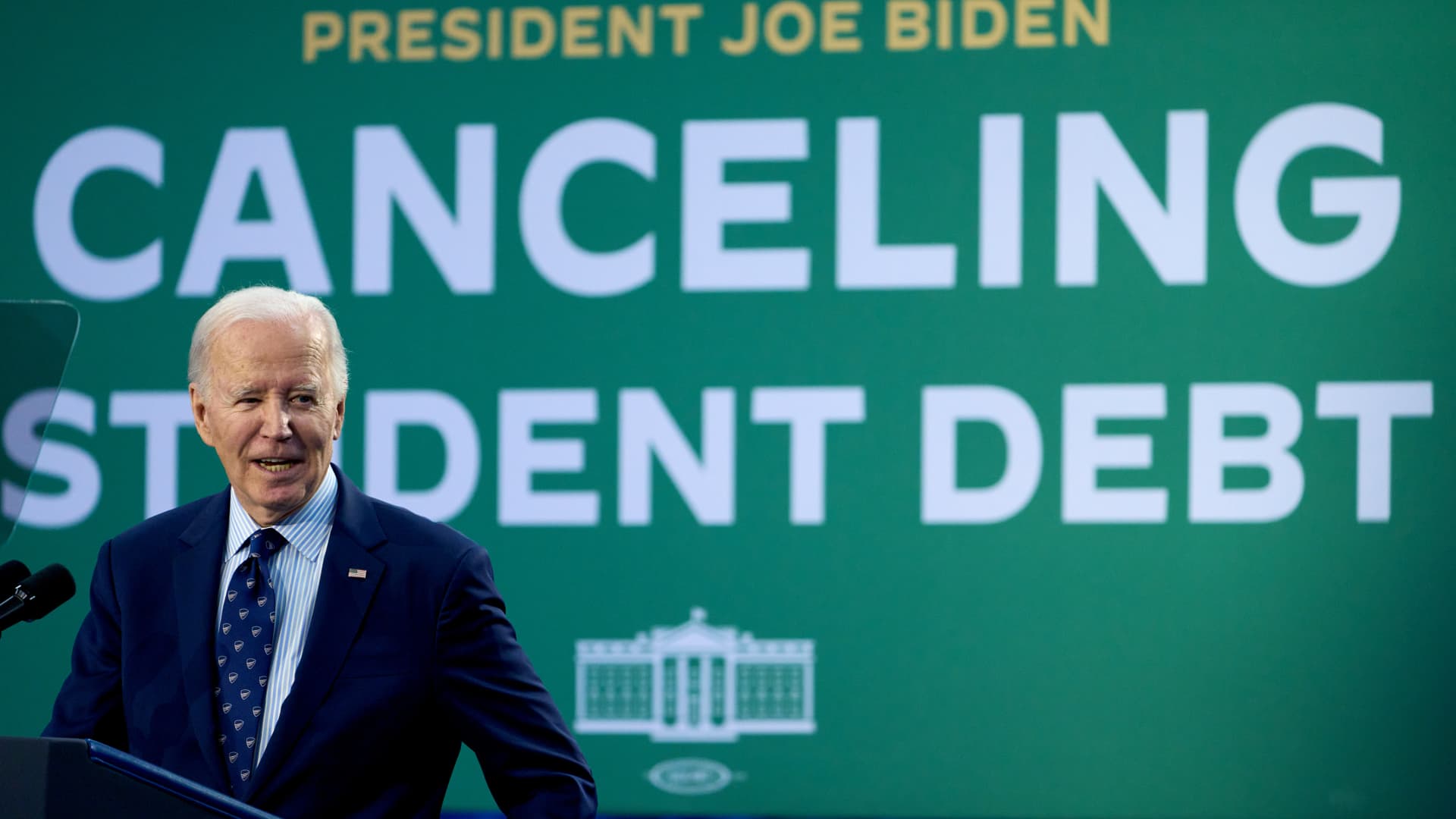
Study finds borrowers expecting forgiveness reduced payments, missed durable purchases, and ended up 7.5% more likely to be 90 days delinquent. The cost: up to 6.9% of loan value.
Continue with
The promise of student loan forgiveness under the Biden administration ended up costing borrowers real money – an average 6.9% of their loan value, plus higher delinquency rates and missed chances to buy homes before prices surged, according to a new working paper from the National Bureau of Economic Research.
The study, written by University of Chicago's Dmitri K. Koustas, Purdue's Michael Weber, and University of Cambridge's Constantine Yannelis, tracked borrower expectations against consumption data and credit reports over roughly five years. Borrowers who expected some level of forgiveness were 30% less likely to make monthly payments and spent about $100 less per month on their loans. They also shifted away from durable purchases like housing and cars toward immediate non-durable spending.
That shift proved costly. From March 2020 through March 2025, average U.S. home prices rose 34% to $514,000. New car prices jumped over 20%. “People having these beliefs turned out to be false,” Yannelis said in an interview. “They weren't optimally repaying their loans, and they weren't optimally making financial plans. And that actually has real welfare consequences.”
The Cost of Waiting: 6.9% Lost to Policy Optimism
The paper's central number: borrowers who chose a 20-year repayment plan over a 10-year term, expecting forgiveness down the line, lost up to 6.9% of the loan's total value. The miscalculation came from betting on relief that never arrived. The Biden administration's first forgiveness plan, announced in August 2022, faced legal challenges and was struck down by the Supreme Court in June 2023. By that point, 16 million Americans had already been approved for assistance, and the Department of Education had emailed nine million people with approvals – even as the plan was blocked.
Borrower optimism jumped 22% after the August 2022 announcement, the study found, and rose another 4% with subsequent news coverage. That optimism reversed after the Court's decision, then dropped further following President Trump's 2024 election win. The whiplash left many in default or behind on payments. Optimistic borrowers were 7.5% more likely to be 90 days past due as of May 2025.