Stocks● Neutral
How a Conservationist Survived Cancer and Undercover Sting Operations
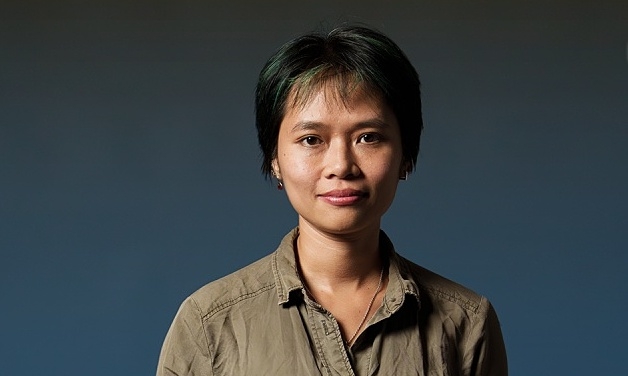
Trang Nguyen's 16-year journey from bear-bile horror to founding WildAct, facing cancer and death threats. A case study in personal risk assessment and resilience.
Continue with
Trang Nguyen did not wait for a consensus. After her cancer diagnosis in 2013, the 22-year-old deferred her master’s degree at Cambridge rather than accept a desk job. Two years later, she signed a liability waiver that listed getting shot, kidnapped, or murdered as possible outcomes. Her reasoning, as she told VnExpress: “I would rather be shot than die lying in a hospital bed.”
That is not a soundbite. It is a risk calculus built from a chain of concrete decisions. For anyone evaluating personal or professional exposure – whether in markets, operations, or conservation – her framework offers a rare case study in how to weigh extreme outcomes without freezing.
The Risk Event: A Diagnosis and a Decision
The first shock was medical. Severe stomach pain on a flight to the U.K. led to a hospital visit. Within a week, doctors found cancer cells. Nguyen’s reaction was not fear of death. It was fear of losing her scholarship and her ability to work in the field. She asked the university to defer her studies before she asked about survival odds.
That inversion – treating the mission as the priority and personal safety as secondary – set the pattern. After surgery and six months of recovery, she immediately began preparing her master’s thesis on illegal wildlife trade hotspots. Then she contacted the EAGLE Network, a coalition of NGOs that runs undercover investigations across eight countries.
The Second Risk Event: Undercover Exposure
The South African police laid out worst-case scenarios: getting shot, kidnapped, murdered, dumped in a river. They gave her one week to decide. She called back the next day. The process required a background check, pressure-test interviews, and a signed liability waiver covering the worst outcomes.
Practical rule: Accepting extreme risk requires a clear hierarchy of values. Nguyen valued meaningful action over longevity. “Fear only exists when you are afraid of death,” she said.
Exposure: The Psychological and Physical Toll
Over three to four years, Nguyen moved through about ten countries – South Africa, Kenya, Mozambique, Ivory Coast, Cameroon, Cambodia among them – posing as a buyer to trap traffickers. The psychological toll accumulated.
- She received phone calls in Vietnamese while living in Africa.
- Rumors spread that she was dating a trafficking ring leader before she had made contact.
- She became so paranoid that she installed six locks on her gate and three locks on the back door, yet could not sleep through the night.
A professional mentor ordered her to withdraw when her mental state began to crack. Within one week, she had to pack up and disappear.
What This Means for Risk Management
The threshold for pulling out was not physical injury but impaired judgment. That is a discipline market participants often ignore. Nguyen’s team had pre-planned three or four possible outcomes for each operation. When the hidden camera fell in front of a suspect, a colleague stayed calm and called it a battery pack. The suspect let it go. The margin between success and disaster was seconds of improvisation.
Timeline: From Cancer to Undercover
- 2008: At 13, Nguyen volunteered at an animal rescue center in Soc Son, Vietnam.
- 2013: Cancer diagnosed during master’s studies in the U.K.
- 2014: Completed master’s thesis; joined investigations with the Crime Unit in Johannesburg.
- 2015: Founded WildAct, first Vietnamese-led conservation organization to sign a formal cooperation agreement with the government.
- 2017-2020: Continued field operations until identity exposure forced withdrawal.