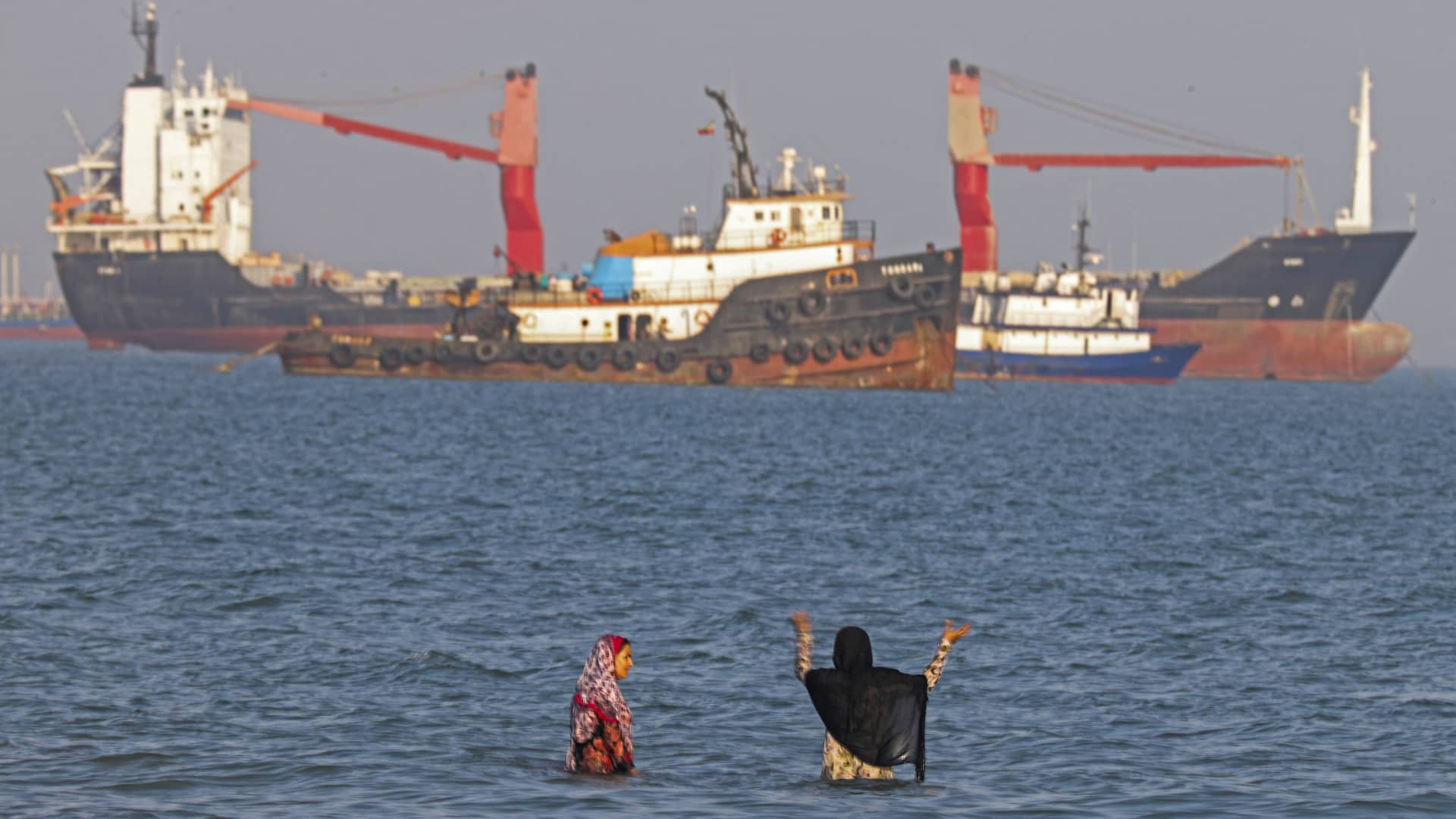
Ship traffic through the Strait of Hormuz could rise to nearly 50% of prewar levels within a month if the U.S.-Iran deal holds, analysts at the trade data firm Kpler said Monday.
Washington and Tehran are expected to sign a deal Friday in Switzerland that will open the strait and lift the naval blockade.
Ships sailing through Hormuz could increase to 40 per day, compared to 100 daily transits before the U.S. and Israel attacked Iran on Feb. 28, the Kpler analysts said in a research note. About 20% of global oil supplies passed through the strait before Iran started attacking tankers in early March.
Ships stuck in the Persian Gulf that are fully loaded will cross first, the analysts said. An estimated 118 tankers in the Gulf could exit within 15 days, they said.
The surge from the backlog is a one-time event, not a durable increase, the analysts said. The key question is how many vessels enter the Gulf after the initial wave passes.
A large number of ships are waiting in the Gulf of Oman and the Arabian Sea for Hormuz to open, said Matt Wright, the lead freight analyst at Kpler. Tankers entering the Persian Gulf could increase to 12 per day, about 50% of prewar levels, in the first 30 days, Wright said.
More cautious shippers will wait and watch how initial transits go, Wright said. They will consider reentering the Gulf if no attacks occur and no mines are reported. Insurance rates should start to drop once vessels begin the journey, he added.
Oil tanker company Frontline believes vessels will move quickly once a deal is signed, CEO Lars Barstad told CNBC. Frontline operates 80 ships worldwide and has five tankers stuck in the Gulf.
For tanker stocks like Frontline, the reopening represents a direct catalyst. Stranded ships can move again, converting idle assets into revenue. The backlog release will lift utilization rates for the first weeks after the deal, though the effect is temporary.
The deal faces different interpretations. Iranian state media said ships can transit Hormuz for 60 days without paying a toll. Iran and Oman will then administer the strait, according to state news agency Tasnim. Vice President JD Vance told CNBC on Monday that the U.S. expects tolls to remain free over the long term.
Mines pose another unresolved risk. President Donald Trump downplayed the issue. Secretary of State Marco Rubio told Congress earlier this month that Iran mined large segments of the strait.
The global shipping trade group Bimco warned Monday that the threat of mines in the area remains a concern. Jakob Larsen, chief safety and security officer at Bimco, said the security situation is still volatile.
"Due to lack of details and a history of overly optimistic reassurances, we believe the security situation for the shipping industry remains volatile, and we still consider it very risky for ships to commence transits at this point," Larsen said.