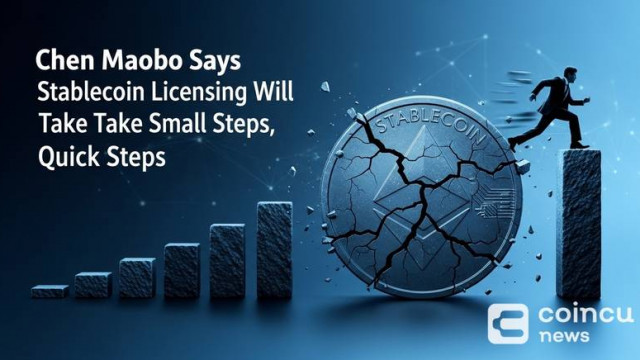
A Measured Path Forward for Digital Assets
Hong Kong’s financial sector is bracing for a new era of digital asset oversight as Financial Secretary Paul Chan Mo-po articulates a strategy of 'small steps and quick steps' regarding stablecoin licensing. Speaking at the Consensus Hong Kong 2026 conference on February 11, 2026, Chan provided critical clarity on the government's stance, positioning stablecoins as essential infrastructure for the modern financial system rather than speculative investment vehicles.
For market participants, the distinction is vital. By framing stablecoins primarily as 'payment and settlement tools,' the Hong Kong government is signaling a regulatory framework designed to foster institutional adoption while insulating the retail market from excessive volatility and systemic risk. This 'small steps' approach suggests that the Hong Kong Monetary Authority (HKMA) will likely prioritize rigorous capital requirements and reserve transparency before granting full-scale licenses to issuers.
The Logic Behind the 'Quick Steps'
While the 'small steps' denote caution, the 'quick steps' highlight the urgency with which Hong Kong intends to maintain its competitive edge as a global fintech hub. The city has been aggressive in its legislative agenda to catch up with jurisdictions like Singapore, which have already implemented comprehensive Payment Services Act frameworks.
By delineating stablecoins from broader investment products, Chan is effectively narrowing the scope of regulatory compliance. Stablecoin issuers will likely face stringent liquidity ratio requirements to ensure that tokens remain pegged to their underlying assets—a lesson clearly drawn from the collapse of algorithmic stablecoins in previous market cycles. For traders and investors, this means the eventual Hong Kong-licensed stablecoins will likely be viewed as 'pristine collateral' within the local digital asset ecosystem.
Market Implications and Institutional Sentiment
What does this mean for the broader market? Investors should interpret this as a move toward the 'institutionalization' of digital payments. If issuers can satisfy the HKMA's requirements, we could see a rise in cross-border settlements conducted via blockchain, potentially reducing reliance on traditional SWIFT-based banking channels for regional trade.
However, the strict categorization as 'payment tools' suggests that the Hong Kong government may impose restrictions on how these stablecoins are marketed or used in decentralized finance (DeFi) trading protocols. This could create a bifurcated market: one side featuring highly regulated, institutional-grade stablecoins, and the other side consisting of decentralized, offshore alternatives that remain outside the purview of the HKMA.
Future Outlook: What Traders Should Watch
Moving forward, market participants should keep a close eye on the specific technical standards released by the HKMA. The success of this regulatory experiment will depend on whether the 'quick steps' allow for enough operational flexibility to attract major global issuers, or if the 'small steps' approach proves too burdensome for smaller, innovation-focused firms.
As the regulatory landscape crystallizes, the primary metric for success will be the speed at which the first batch of licenses is granted and the subsequent liquidity depth of the resultant stablecoins. Investors should monitor for any secondary announcements regarding the interoperability of these stablecoins with the Central Bank Digital Currency (CBDC) projects currently under development in the region.