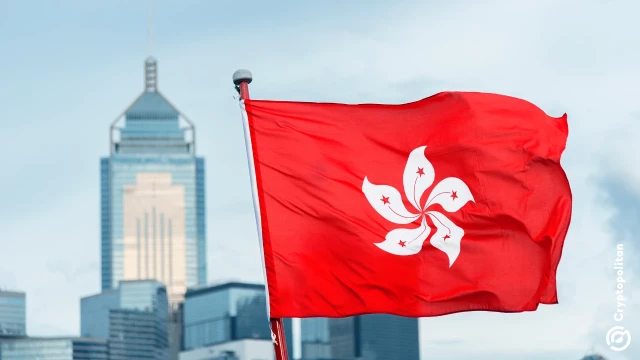
The HKMA will limit stablecoin licenses after approving HSBC and Anchorpoint. Future growth depends on the performance of these first two issuers.
Alpha Score of 48 reflects weak overall profile with moderate momentum, weak value, moderate quality, poor sentiment.
The Hong Kong Monetary Authority (HKMA) has signaled a restrictive path for the local stablecoin market, confirming that future licensing will be highly constrained following the initial approval of two entities. While 36 applications were submitted last year, the regulator is prioritizing a cautious, observational phase to test the stability and risk profiles of the first two entrants before expanding the market. This approach effectively creates a high barrier to entry for any prospective issuer, as the HKMA intends to calibrate its supervisory framework against the performance of these inaugural operations.
On April 10, 2026, the HKMA issued the first two stablecoin licenses under the Stablecoins Ordinance, which became effective in August 2025. The recipients are HSBC and Anchorpoint Financial, a joint venture involving Standard Chartered Bank (Hong Kong), HKT, and Animoca Brands. These firms are now tasked with demonstrating that their operational frameworks can handle the complexities of a regulated stablecoin environment. HSBC plans to launch a Hong Kong dollar-denominated stablecoin in the second half of 2026, which will be integrated into its mobile banking application and the PayMe platform. PayMe currently supports a user base of over 3.3 million, positioning HSBC to achieve significant retail penetration upon launch.
Anchorpoint Financial is targeting a phased rollout of its HKDAP (HKD At Par) token beginning in the second quarter of 2026. Access to the token will be restricted to selected authorized distributors. Both firms are required to back their stablecoins with high-quality liquid assets held in segregated accounts, a core requirement of the HKMA’s mandate to ensure redemption liquidity and minimize systemic risk. The operational burden on these firms is substantial, as they must navigate not only domestic requirements but also the complexities of cross-border regulatory compliance.
HKMA Deputy Chief Executive Daryl Chan has emphasized that the transition from licensing to live operation is not automatic. Licensees must complete rigorous system checks, comprehensive risk management reviews, and third-party verification processes. Furthermore, any cross-border use cases require explicit approval from foreign regulators, adding a layer of jurisdictional complexity that could delay deployment. The HKMA’s focus on these specific operational details suggests that the regulator is prioritizing the prevention of technical failure or liquidity mismatches over rapid market expansion.
Because stablecoins represent a novel asset class without a direct, globally accepted regulatory blueprint, the HKMA is actively exchanging data and experience with the Financial Stability Board and other international bodies. This collaboration is intended to refine the licensing regime and future supervisory arrangements. For market participants, this means the regulatory environment in Hong Kong will remain fluid and subject to adjustment based on the real-world performance of the HSBC and Anchorpoint tokens. The crypto market analysis suggests that such a controlled rollout is designed to prevent the volatility often associated with unbacked or poorly managed stablecoin projects.
HKMA Chief Executive Eddie Yue stated on May 5 that the city will maintain a steady approach to the sector. The authority intends to compare actual risks observed during the initial launch phase against the projections made during the application process. Only after this assessment will the HKMA consider the market’s capacity to support additional issuers. This implies that the 34 remaining applicants from the initial pool of 36 face a long, uncertain wait. The regulator has been explicit that even if future licenses are granted, the total number of issuers will remain very small.
This scarcity of licenses creates a significant competitive advantage for the first two movers. By limiting the number of participants, the HKMA is effectively creating an oligopolistic structure for the Hong Kong dollar stablecoin market. This strategy is intended to simplify supervision and ensure that the regulator can maintain close oversight of every licensed entity. Traders and investors should note that the lack of additional licenses in the near term will likely prevent the fragmentation of liquidity that has occurred in other jurisdictions with more permissive licensing regimes.
For those tracking the evolution of Bitcoin (BTC) profile or broader stablecoin adoption, the HKMA’s stance is a clear signal that regulatory compliance will be the primary determinant of market share in Hong Kong. The requirement for high-quality liquid assets and the integration with established banking infrastructure like PayMe suggest that the HKMA is steering the market toward institutional-grade stability rather than experimental retail innovation. The risk of operational failure remains the primary concern for the regulator, and the strict, phased rollout schedule is a direct response to that concern.
If the initial launches by HSBC and Anchorpoint encounter technical issues or fail to maintain their peg, the HKMA is likely to further tighten its requirements or delay future approvals indefinitely. Conversely, if the launch proceeds without incident, the regulator may eventually provide more clarity on the criteria for the next round of applicants. For now, the market should expect a period of limited supply and high regulatory friction, as the HKMA prioritizes the integrity of the Hong Kong dollar’s digital representation over the speed of industry growth.
AI-drafted from named sources and checked against AlphaScala publishing rules before release. Direct quotes must match source text, low-information tables are removed, and thinner or higher-risk stories can be held for manual review.