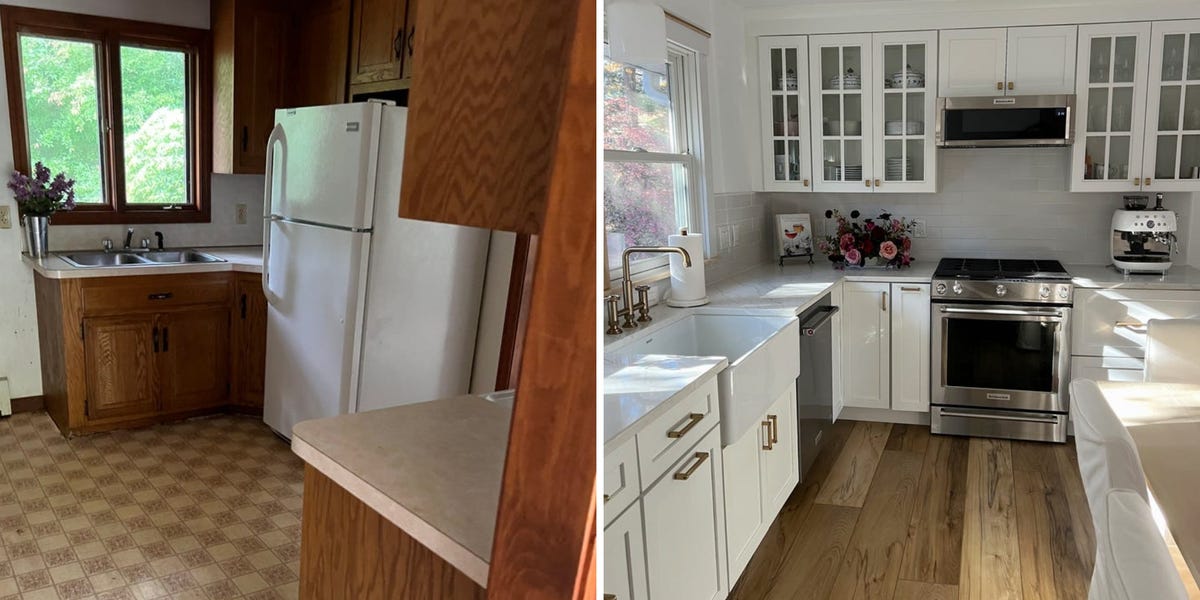
The recent trend of homeowners prioritizing large-scale kitchen renovations signals a shift in how residential capital is being deployed. By moving away from compartmentalized layouts toward open-concept designs, households are effectively increasing the utility of their primary assets. This transition often involves significant investments in new cabinetry, high-efficiency appliances, and structural modifications to maximize natural light. These projects reflect a broader consumer preference for multifunctional living spaces that serve as both culinary hubs and social centers.
The Economic Impact of Residential Upgrades
Kitchen renovations remain one of the most capital-intensive home improvement projects. When homeowners opt for open-concept layouts, they frequently require professional structural engineering to remove load-bearing walls. This process necessitates a higher allocation of funds toward labor and specialized materials. The resulting increase in property value is often tied to the modernization of appliances and the integration of energy-efficient systems. Such upgrades are not merely aesthetic; they represent a strategic decision to enhance the long-term liquidity of the property in a competitive real estate market.
Sector Read-Through for Home Improvement Retailers
Retailers specializing in home improvement materials and appliances benefit directly from this trend. As homeowners continue to favor DIY-integrated projects, demand for modular cabinetry and smart-appliance technology remains elevated. This shift in consumer behavior forces retailers to adjust their inventory strategies to accommodate a mix of professional-grade tools and consumer-friendly installation kits. The reliance on these renovations suggests that the home improvement sector remains a critical component of the broader stock market analysis regarding consumer discretionary spending.
- Increased demand for high-end, energy-efficient appliances.
- Growth in the market for modular and customizable cabinetry solutions.
- Higher reliance on specialized labor for structural layout changes.
AlphaScala Data Insight
AlphaScala data indicates that residential renovation spending often correlates with periods of lower housing turnover, as owners choose to improve existing assets rather than enter a high-interest-rate mortgage environment. This trend underscores the resilience of the home improvement supply chain even when broader real estate transaction volumes remain stagnant.
For investors, the next concrete marker is the upcoming quarterly guidance from major home improvement retailers. These reports will clarify whether the current pace of kitchen-centric renovations is sustainable or if rising material costs are beginning to dampen the enthusiasm for large-scale residential projects. Monitoring these filings will provide a clearer picture of how consumer sentiment toward home equity investment is evolving in the current fiscal climate.