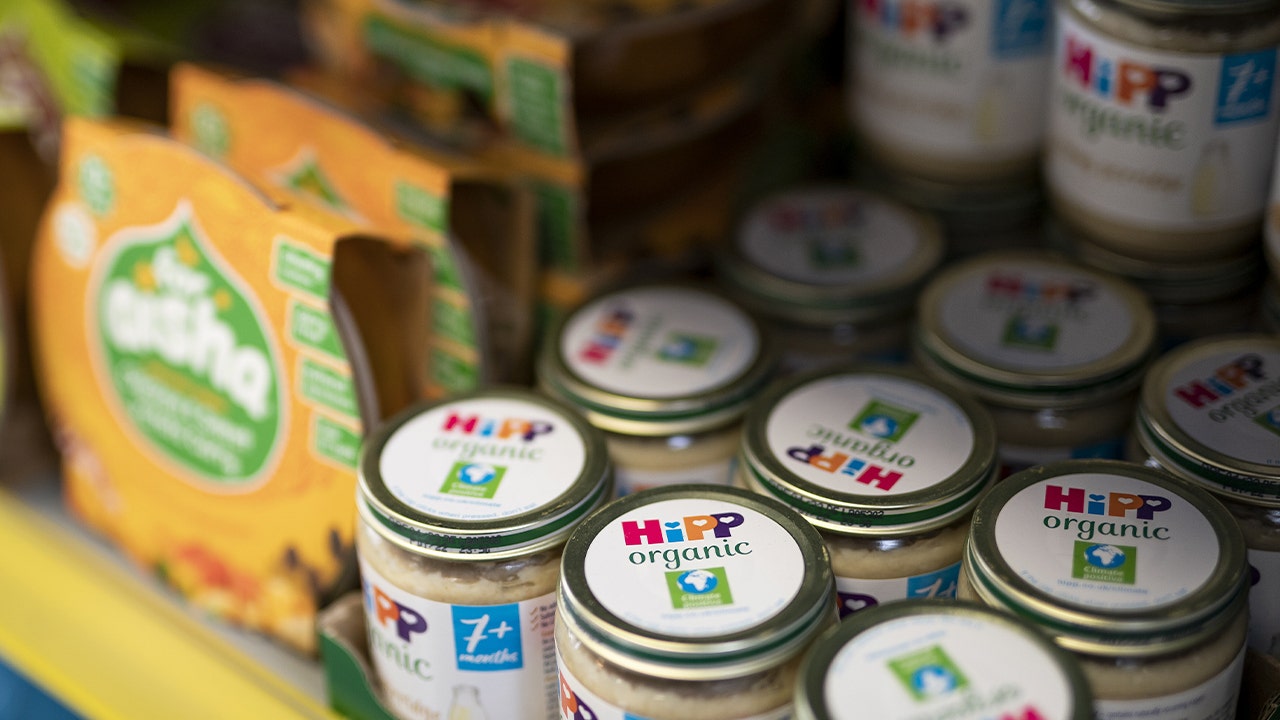
The discovery of rat poison in a jar of HiPP baby food in Austria has shifted the narrative for the company from routine quality control to a high-stakes criminal investigation. Austrian authorities confirmed the contamination was the result of a deliberate act, prompting immediate recalls across Austria, Germany, the Czech Republic, and Slovakia. This event forces a re-evaluation of the brand's distribution security and the potential for long-term reputational damage within the highly sensitive consumer staples sector.
Operational Integrity and Distribution Security
The incident highlights a critical vulnerability in the physical security of consumer goods. While food safety protocols typically focus on manufacturing defects or bacterial contamination, this event introduces a malicious actor variable that is significantly harder to mitigate through standard quality assurance. The immediate impact is a forced contraction of the brand's regional footprint as retailers pull inventory to ensure consumer safety. For the broader consumer staples sector, this event serves as a reminder that supply chain integrity extends beyond logistics and into the final point of sale.
Investors should monitor how the company manages the recall process and its communication with regulatory bodies. The speed of the product withdrawal and the transparency regarding the scope of the contamination will determine the duration of the brand's exposure. If the investigation reveals that the tampering occurred within the distribution network rather than at the manufacturing level, it could lead to a broader industry shift toward enhanced tamper-evident packaging requirements.
Sector Read-through and Market Sentiment
The baby food market relies heavily on parental trust, making it particularly susceptible to negative sentiment following safety scares. Even if the contamination is isolated to a single criminal act, the association with a toxic substance creates a hurdle for consumer confidence that is difficult to quantify in the short term. The sector often trades on brand equity and long-term loyalty, both of which are now under pressure as the investigation proceeds.
AlphaScala data currently tracks various consumer-facing and industrial entities, such as AS (Amer Sports, Inc.), which maintains a Mixed Alpha Score of 47/100. While the HiPP incident is specific to the food industry, it underscores the importance of monitoring operational risks that can suddenly disrupt established market positions. Similar to how BPOP (POPULAR, INC.) manages its own sector-specific risk profile with a Moderate Alpha Score of 63/100, companies in the consumer space must now account for non-traditional threats to their physical product lines.
Path to Resolution
The next concrete marker for this situation will be the findings from the ongoing criminal investigation. Authorities are currently working to determine the origin of the tampering, which will dictate whether the company faces additional regulatory scrutiny or if the event remains classified as an isolated criminal incident. Market participants should look for updates from the European food safety agencies regarding the scope of the recall and any potential changes to retail security protocols for high-risk consumer goods. The resolution of this event will likely hinge on the company's ability to demonstrate that its core manufacturing and supply chain processes remain secure despite the external breach.