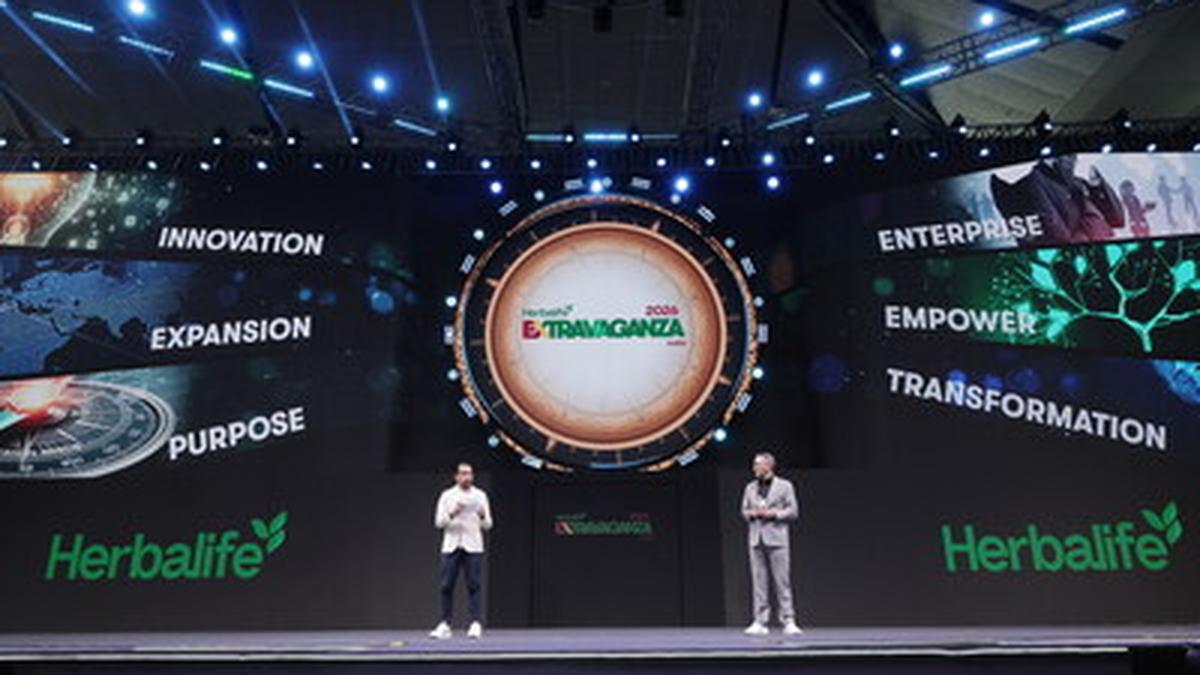
Herbalife global leadership recently concluded a high-level visit to India, signaling a strategic pivot toward deepening the company's operational footprint within one of its most critical growth markets. By emphasizing localized innovation and supply chain integration, the company is moving to align its global product portfolio with the specific dietary preferences and consumption habits of the Indian consumer base. This shift suggests a departure from a standardized global model toward a more regionalized approach designed to capture market share in a competitive health and wellness landscape.
Operational Localization and Supply Chain Resilience
The leadership visit focused on the expansion of local manufacturing capabilities and the strengthening of distribution networks. By prioritizing domestic production, Herbalife aims to mitigate the logistical complexities and cost pressures associated with importing specialized nutritional products. This move is intended to improve product availability while simultaneously reducing the time-to-market for new launches. The focus on localizing the supply chain serves as a hedge against global trade volatility and positions the company to better navigate the regulatory environment governing health supplements in India.
Beyond logistics, the strategy includes a commitment to research and development tailored to regional health trends. The company is investing in localized product formulations that cater to the specific nutritional requirements of the Indian population. This effort is supported by a broader push to integrate digital tools into the direct-selling model, allowing for more precise data collection on consumer behavior. Such data-driven insights are expected to inform future product development cycles and improve the efficiency of the company's independent distributor network.
Strategic Reorientation in Emerging Markets
This development reflects a broader trend among multinational consumer goods companies operating in high-growth emerging markets. As competition intensifies, the ability to adapt global brand identities to local cultural and economic contexts has become a primary differentiator. For Herbalife, the India market represents a significant opportunity to scale its wellness ecosystem, provided it can successfully navigate the balance between global brand consistency and local market relevance. This approach aligns with the broader shifts observed in India's Wealthy Pivot to Experience-Led Consumption Models, where consumers are increasingly prioritizing personalized health and wellness solutions.
Investors should monitor the impact of these capital expenditures on the company's regional margins over the coming fiscal quarters. While the initial investment in local infrastructure may create short-term cost headwinds, the long-term objective is to secure a more sustainable growth trajectory by reducing reliance on global supply chains. The success of this strategy will likely be measured by the company's ability to maintain its distributor engagement levels while simultaneously scaling its local product offerings. The next concrete marker for this transition will be the upcoming quarterly regional performance report, which should provide clarity on the initial uptake of localized product lines and the efficiency gains realized from the expanded domestic manufacturing footprint.