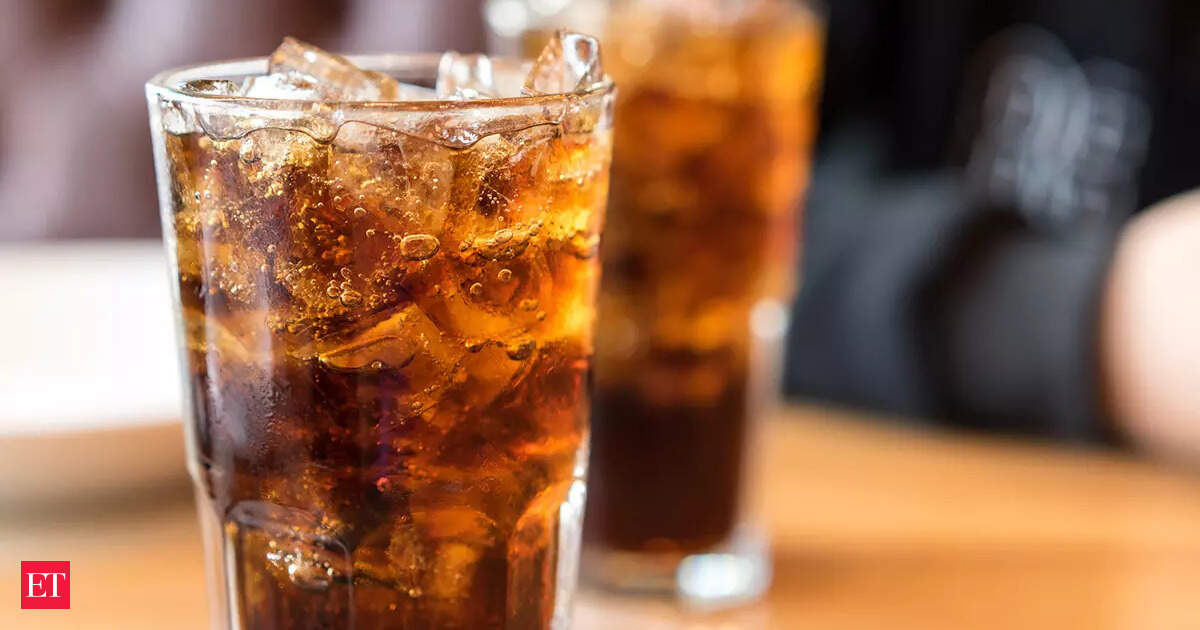
India’s scorching heatwave has created a sharp divergence in consumer demand. Sales of soft drinks, ice-creams, and dairy beverages have surged as households seek immediate relief from extreme temperatures. The same weather pattern has not lifted demand for ACs and refrigerators, where elevated prices and fragile consumer sentiment keep buyers on the sidelines.
The simple read is that heatwaves benefit beverage and frozen-food companies. The better market read is more nuanced: durable goods face a structural demand problem that weather alone cannot fix.
Cold Drinks, Ice-Creams Surge: Impulse Buying Wins
Instant-consumption categories are the clear winners. Hindustan Unilever, Nestlé India, and Varun Beverages gain from impulse buying triggered by extreme temperatures. Distribution channels report restocking pressure, and margins hold steady because pricing power in these segments remains relatively stable. The heatwave effectively accelerates inventory turnover for beverage makers, a near-term tailwind for volume growth.
For dairy beverages, the effect is similar. Packaged lassi, buttermilk, and flavored milk see higher demand as consumers swap hot meals for cold options. The low ticket price means weather-driven urgency translates directly into purchase decisions, with little deliberation.
ACs, Refrigerators Lag: Price and Sentiment Block
Meanwhile, Voltas, Blue Star, and Whirlpool India report soft sales despite the heat. Higher input costs have pushed retail prices up 10-15% year on year, and consumer sentiment – already weakened by months of inflation – does not respond to weather alone. A household can delay buying a new AC or refrigerator when prices are high, especially if the old unit still works. In contrast, a cold drink or ice-cream purchase costs little and offers instant relief.
Retail footfall in appliance stores has not matched the spike in snack-and-beverage aisles. Weak consumer sentiment – reflected in low urban confidence indices and slower discretionary spending – amplifies price sensitivity. Manufacturers may need to offer deeper discounts or EMI schemes to convert weather-driven interest into actual sales. Such promotions would compress margins, making any volume uptick less profitable.
The Consumer Sentiment Disconnect
This split tells a larger story about the Indian consumer. The same household that buys more soft drinks may be postponing a refrigerator upgrade. Spending is rotating toward smaller, frequent purchases and away from big-ticket items. That pattern favors consumer staples over consumer durables for the near term.
The demand split mirrors the pattern seen in Indian Firms' $18bn Overseas Buying Spree Signals Weak Domestic Confidence, where companies park capital abroad rather than invest in local capacity. Weak domestic confidence is a cross-sector theme that investors should analyze through sector-level data.
Earnings seasons ahead will test this thesis. Beverage companies may report volume growth of 5-8% on the back of the heatwave. Appliance makers could show flat or declining volumes even in peak summer. The risk is that appliance companies lower guidance or announce promotional campaigns that hurt margins.
Next Decision Point for the India Consumer Trade
The heatwave is a catalyst, not a trend. The next data that matters will be monsoon rainfall. A weak monsoon could extend heatwave conditions and sustain beverage demand. It would also raise food inflation risks that further pressure consumer sentiment. A strong monsoon, on the other hand, would cool demand for both categories as temperatures drop and rural incomes improve.
For a watchlist decision, track monthly appliance sales and beverage volume data from industry bodies. If AC sales remain soft through July, the structural demand problem is worse than weather alone explains. If beverage volumes plateau after the heatwave subsides, the boost was purely seasonal. The real test comes when the temperature resets.