Stocks● Neutral
Heat tech failures: Why infrastructure buckles in a heatwave
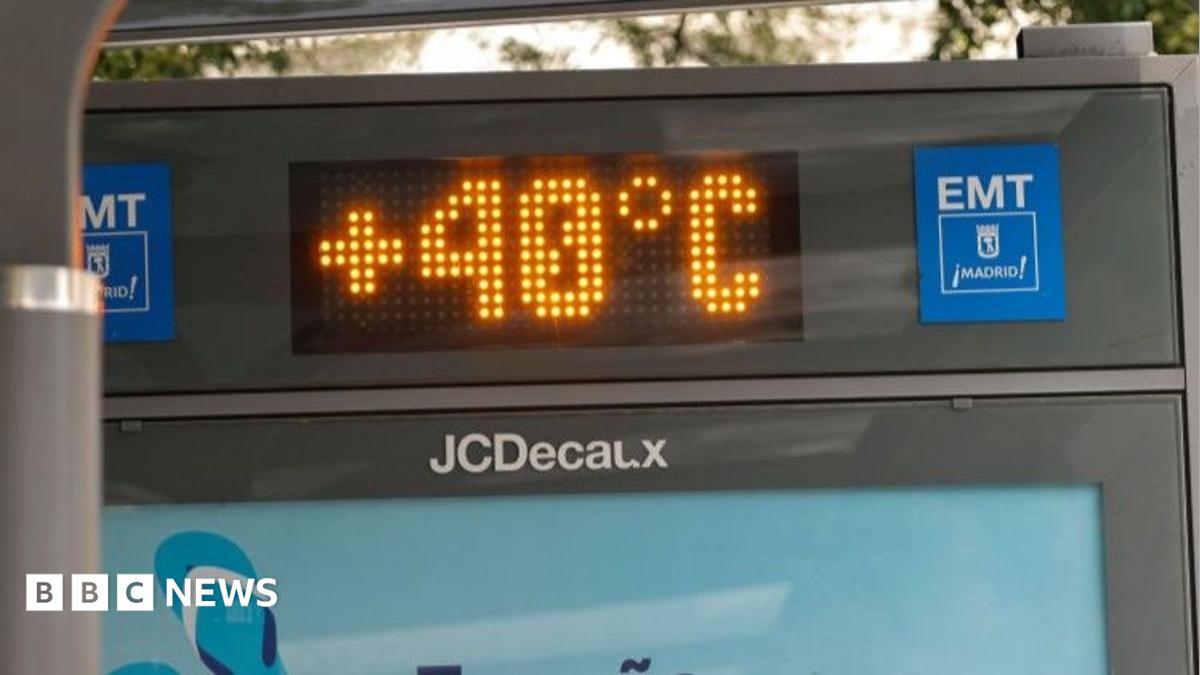
A transformer failure left 100,000 without power in France. Data centres hit 50C during the 2022 heatwave. The tech infrastructure sector faces a growing heat risk as climate change intensifies.
Continue with
A transformer failed in Ergué-Gabéric, Brittany, on 23 June. Temperatures hit 40C. More than 100,000 people lost power. Local authorities called it a "heat related" incident. The transformer was one of RTE's facilities, a spokeswoman said.
Six NHS trusts in England declared a critical incident last week. Hot weather affected their IT, scanners, and lab equipment. During the July 2022 heatwave, datacentres at Guy's and St Thomas' hospitals went down. The temperature hit 50.3C in one datacentre. Operations were cancelled.
Heat hits technology the same way it hits people. Electrical equipment, telecoms gear, and railway signalling all struggle when the mercury rises. Climate change means more frequent and intense heatwaves. Engineers are adapting infrastructure to cope.
"Anything to do with the electricity network – the power lines, the interconnectors and transformers – they all struggle to keep themselves cool enough," said Iain Staffell at Imperial College London. "That reduces the efficiency of everything."
Staffell and colleagues calculated that gas-fired power stations lose about 10% of output at 40C versus 20C. Solar panel efficiency also drops with temperature, though newer panels are less affected. Data from Great Britain shows solar output plateaus above 27C and then falls, Staffell said.
Power lines sag as metal expands in heat. The cables droop. If they touch trees or buildings, they cause accidents or blackouts. That happened in the 2003 North America blackout. Operators reduce the amount of electricity sent along power lines during heatwaves.
Simon Hogg, professor emeritus at Durham University, said UK energy networks are implementing climate resilience strategies. The system copes well during heatwaves. He called that "a success story".