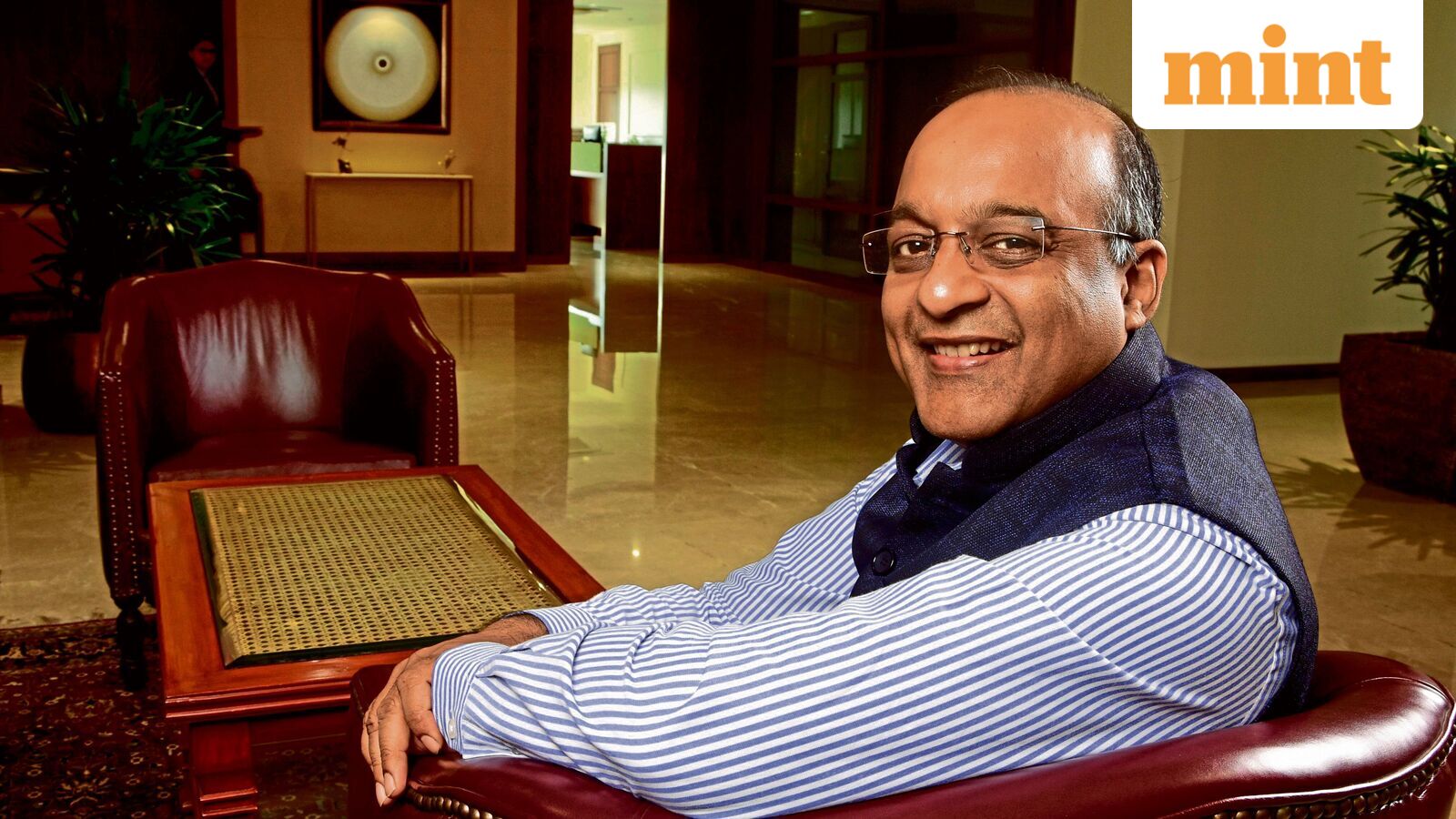
HDFC Bank chief executive Sashidhar Jagdishan told shareholders the sudden resignation of former chairman Atanu Chakraborty in March was a “challenging event” that triggered tough questions about the lender’s corporate governance. The letter, part of the bank’s FY26 annual report released Saturday, sought to address the fallout from Chakraborty’s parting statements.
Chakraborty stepped down abruptly on 17 March. In his resignation letter to the board, he cited “certain happenings and practices within the bank” that were “not in congruence” with his personal values and ethics. He did not elaborate at the time. Days later, he told a national television audience that the core dispute was the bank’s alleged “mis-selling” of Credit Suisse’s perpetual bonds.
Jagdishan said the bank moved swiftly after the resignation. Keki Mistry was appointed interim chairman with clearance from the Reserve Bank of India. The day after Chakraborty left, board members briefed analysts and the media, clarifying that Chakraborty had never raised any issues regarding practices that conflicted with his personal values or ethics during their discussions, Jagdishan said.
“To reinforce the robust governance standards of the bank, the board of directors of the bank took the proactive step of appointing external law firms to conduct a review regarding the statement made by Chakraborty in his resignation letter,” Jagdishan wrote.
Because HDFC Bank’s American Depositary Receipts are listed on the New York Stock Exchange, the board opted for an expansive review using both domestic and international counsel. US-based Wilson Sonsini Goodrich & Rosati and Indian firm Wadia Ghandy & Co. were brought in to conduct the independent inquiry. A special committee composed solely of independent directors was formed to oversee the legal review, Jagdishan said.
The review covered board minutes and internal materials from the two years preceding Chakraborty’s resignation. The legal teams interviewed all independent directors and multiple senior executives, including Jagdishan and the heads of the bank’s control and assurance functions.
On 26 June, the bank told stock exchanges the law firms found “no basis” for Chakraborty’s statement. “In sum, the contemporaneous evidence reviewed was inconsistent with Chakraborty’s statement, and external law firms’ review did not identify any basis for the statement,” the bank said.
Chakraborty did not participate. The bank and external law firms repeatedly asked him to speak with them as part of the legal review. The interview never took place. Mint reported on 27 June that Chakraborty called the appointment of external law firms and the resulting report a “superfluous exercise”, saying he chose not to speak because the bank refused to disclose the terms of reference or the legal basis for such a review.
Chakraborty told Mint over the phone on Saturday that he asked the bank for the terms of reference at least five or six times, to no avail. “I do not crave the certificate of an external agency,” he said. Appointing external law firms, including an American one, was just a compliance exercise, he added. “Jamie Dimon [chairman of the board and CEO of JPMorgan Chase & Co.] would not have come to an Indian law firm.”
On 29 June, the bank appointed former chief election commissioner and financial services secretary Rajiv Kumar as part-time chairman. Jagdishan said Kumar has “played a transformational role in revitalising [the] banking and financial services sector of the country”.
For investors tracking governance risk at India’s largest private lender, the episode leaves a lingering question: whether Chakraborty’s claims will resurface in any regulatory or legal forum. The bank’s HDB stock page shows an Alpha Score of 48, reflecting a mixed outlook amid the uncertainty.