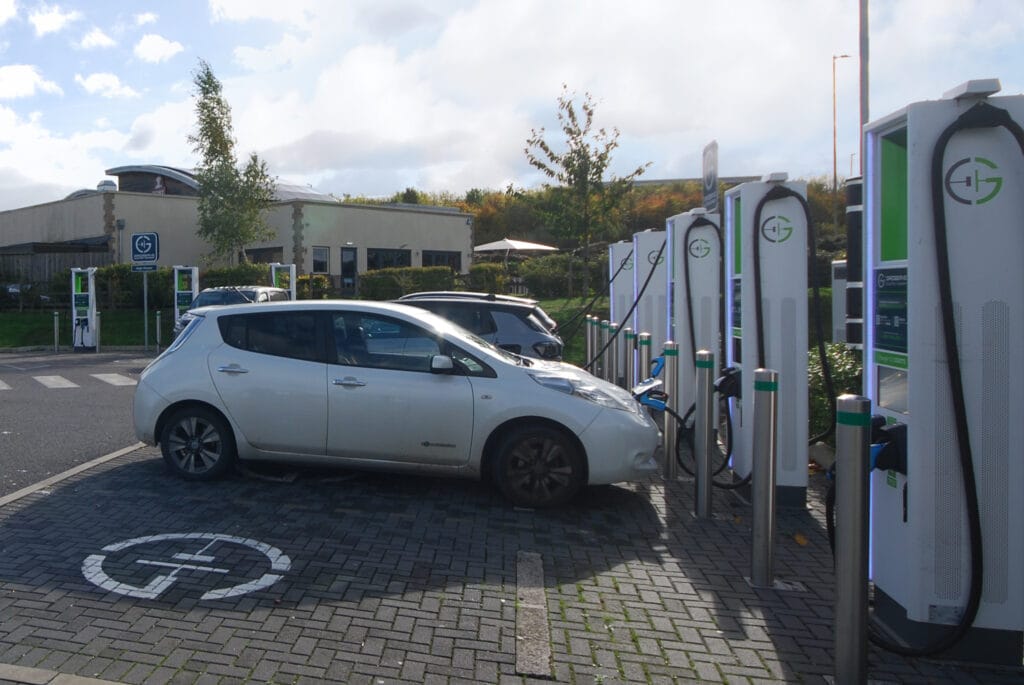
The expansion of the GRIDSERVE Electric Super Hub at Solstice Park in Amesbury marks a shift in the operational scale of electric vehicle charging infrastructure. By increasing the number of high-power chargers at this specific location, the project moves beyond pilot-phase utility to address the throughput requirements of high-traffic transit corridors. This development, facilitated by the RO Group, highlights the increasing integration of commercial real estate with the physical requirements of the transition to electric mobility.
Infrastructure Scaling and Commercial Real Estate
The addition of high-power charging capacity at Solstice Park serves as a bellwether for how commercial hubs are adapting to the demands of EV adoption. Rather than relying on sporadic, low-capacity installations, the focus has shifted toward centralized hubs that can support rapid charging for multiple vehicles simultaneously. This model reduces the friction associated with long-distance travel and fleet logistics, which remains a primary hurdle for widespread EV adoption. The collaboration between private landowners and energy infrastructure providers demonstrates a viable path for scaling the grid without requiring wholesale public utility overhauls.
For investors monitoring the stock market analysis, this expansion reflects a broader trend where physical infrastructure is being retrofitted to accommodate new energy standards. The ability of commercial sites to host high-capacity charging hubs creates a secondary revenue stream for property owners while providing the necessary density for EV users. As these hubs become more common, the valuation of commercial properties with high-traffic access may increasingly depend on their capacity to support energy-intensive infrastructure.
Sector Read-through and Consumer Cyclical Dynamics
The expansion of charging networks has direct implications for the consumer cyclical sector, particularly for companies involved in the automotive and retail supply chains. As charging infrastructure becomes more reliable and accessible, the perceived utility of electric vehicles increases, potentially influencing consumer purchasing behavior in the coming quarters. While companies like Amer Sports, Inc. (AS stock page) and Hasbro, Inc. (HAS stock page) operate in different segments of the consumer cyclical space, they remain sensitive to shifts in discretionary spending patterns that are often tied to broader economic mobility and infrastructure trends.
AlphaScala data currently assigns Amer Sports, Inc. an Alpha Score of 47/100, reflecting a mixed outlook within the consumer cyclical sector. The expansion of charging networks is a long-term catalyst that may eventually lower the cost of ownership for electric vehicles, potentially freeing up discretionary income for other consumer goods. However, the immediate impact remains concentrated in the energy and real estate sectors as they build the necessary foundation for the next phase of the automotive market.
The Next Marker for Infrastructure Development
The next concrete indicator for this sector will be the utilization rates reported for these expanded hubs. High-power charging infrastructure requires significant capital expenditure, and the long-term viability of these projects depends on consistent throughput. Future filings from energy providers and commercial real estate groups will likely focus on the return on investment for these hubs as they move toward full capacity. Monitoring the pace at which these sites reach operational maturity will provide a clearer picture of whether the current infrastructure build-out is keeping pace with vehicle sales growth.