Greenspan's Legacy: The Fed Chair Who Fueled Financialization
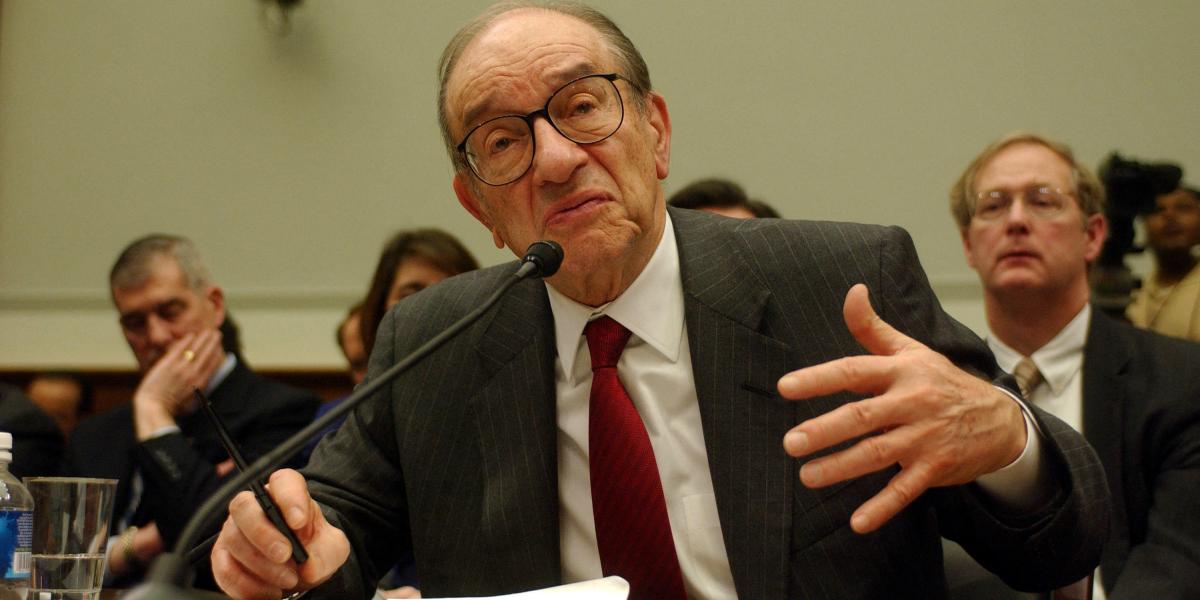
Alan Greenspan's death at 100 reignites debate over his role in creating the housing bubble and financialization. Critics say he was the perfect Fed chair for an institution that enriches the political class.
Alan Greenspan died Monday at age 100. The former Federal Reserve chair served five terms under four presidents from 1987 to 2006. His death has prompted a fresh round of debate over his legacy.
The standard narrative paints Greenspan as the "Maestro" who engineered low inflation and steady growth. That view took a hit after the 2008 financial crisis. Critics argue Greenspan did not just miss the housing bubble. He helped create it.
A critical assessment published after his death goes further. It argues Greenspan was the perfect Fed chair for an institution whose real purpose is to enrich the political class at the expense of everyone else. The Fed, in this view, is a state-backed banking cartel. It uses its control over money and credit to subsidize banks and fund government spending through inflation.
Greenspan was uniquely suited to carry out that mission. He was a social climber who adopted and abandoned economic principles as needed. He had a reputation as a free-market advocate and gold standard supporter, which gave him credibility with skeptics. Once in office, he abandoned those principles entirely. He kept interest rates artificially low for years. He spoke in boring, unclear jargon that kept public attention away from what the Fed was doing.
The result was a dramatic acceleration of inflationary monetary policy. Low rates fueled a boom in housing and financial assets. They created malinvestment – projects that looked profitable only because of cheap money. The S&P 500 ($SPY) more than tripled during his tenure. Gold ($GLD) rose as the dollar weakened. When the bubble burst in 2008, Greenspan's reputation suffered. The underlying philosophy survived. The Fed still follows the same principles.
For traders, the Greenspan era offers a lesson. The Fed's low-rate policy did not create lasting stability. It created a cycle of boom and bust. Understanding that cycle helps anticipate when the Fed might tighten or ease. The current Fed chair, Jerome Powell, faces similar pressures. The difference is that the post-2008 regulatory environment has changed some of the mechanics. The core dynamic remains.
The next test comes Thursday, when the Fed releases minutes from its latest meeting. Traders will watch for any shift in language on inflation or the path of rates. The Greenspan era's pattern suggests the Fed will keep rates low as long as possible, until the next crisis forces a change.
The legacy is a system that depends on ever-larger doses of cheap money, presented by a chair who knew how to keep the public from asking questions.
Drafted by a large language model from the source reporting linked above, then screened by automated publishing checks. It is not read by a journalist before publication. Some articles cite our Alpha Score. Verify prices and figures against the original source. Educational coverage, not personalized advice.