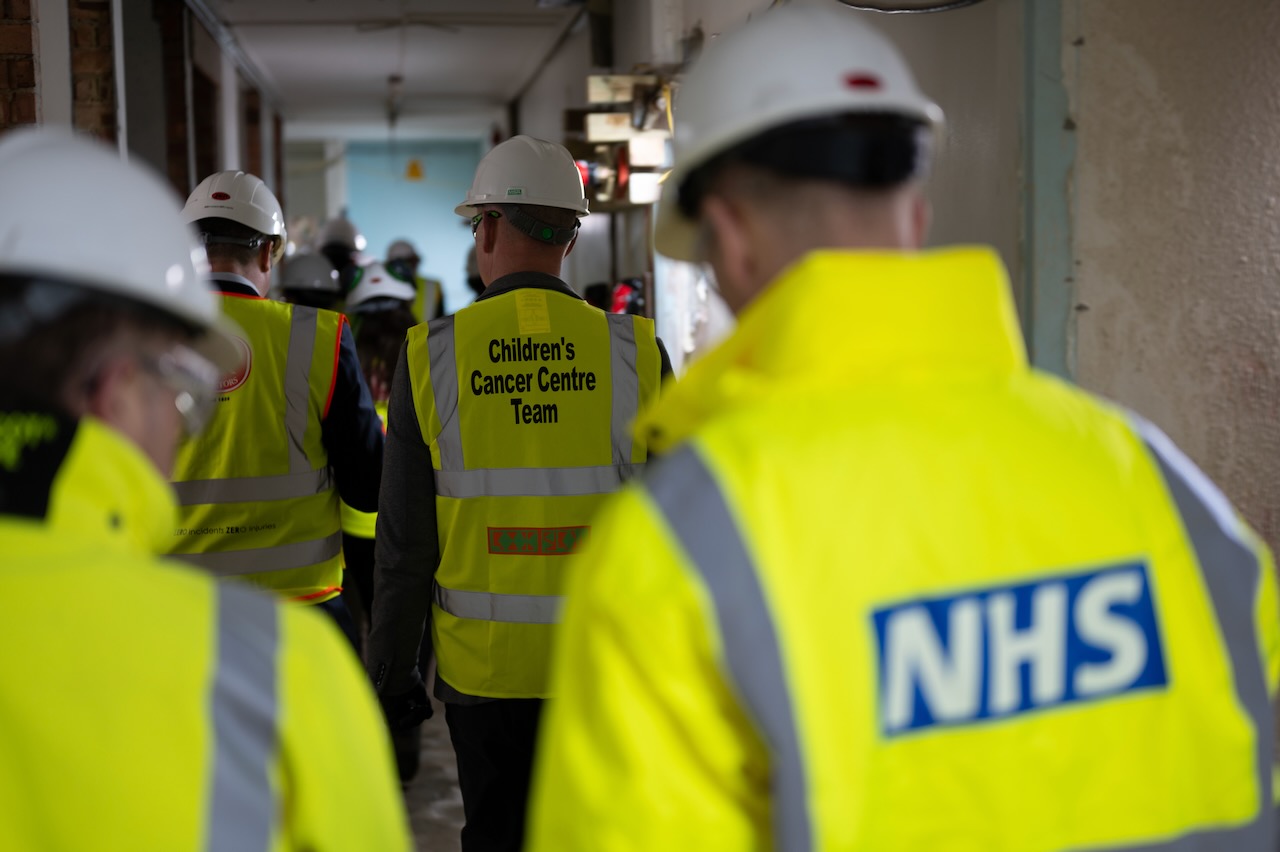
The partnership between Sisk/BDP and Dalkia to deliver mechanical, electrical, and plumbing (MEP) services for the new Great Ormond Street Hospital (GOSH) centre introduces a regulatory milestone that carries execution risk. The project is set to become the first major healthcare development to pass through the Building Safety Act Gateway process, a new compliance framework that demands higher transparency and safety assurance for large-scale hospital builds.
Regulatory Gateway and Operational Risk
The Building Safety Act Gateway process adds a layer of approval that could lengthen timelines if documentation or safety checks fall short. For a hospital being built within its existing footprint, any delay in Gateway sign-off would push back the MEP installation schedule. Dalkia is responsible for leading the installation and commissioning of all building services infrastructure, including air source heat pumps that form the core of the decarbonisation strategy. A delay in regulatory approval would stall the heat pump deployment and prolong reliance on fossil fuels, undermining the project’s stated energy performance goals.
Exposure: Construction Timeline and Hospital Operations
The construction methodology is designed to keep the hospital fully operational with minimal disruption. The MEP programme must coordinate with ongoing clinical functions, patient care areas, and specialist treatment spaces. Any failure in the Gateway process or in the phased installation could force temporary service shutdowns or require costly workarounds. The exposure is not financial in the traditional sense but operational: the hospital’s ability to maintain full capacity during construction. If the Gateway process reveals compliance gaps, the project may need redesign or re-approval, extending the timeline and increasing the risk of disruption to patient services.
What Would Reduce the Risk
A smooth Gateway approval with no material findings would confirm that the design and safety documentation meet the Act’s standards. Early engagement with the Building Safety Regulator and a transparent submission process would reduce the chance of last-minute changes. Dalkia’s experience in healthcare MEP and the integrated design from BDP also lower execution risk. If the project passes Gateway without conditions, it sets a precedent for future healthcare builds and validates the design-build approach for complex hospital environments.
What Would Make It Worse
A Gateway rejection or conditional approval requiring significant redesign would reset the timeline. The MEP scope is tightly linked to the building’s structural and fire safety systems, so any change could cascade into delays for the heat pump installation and the overall decarbonisation plan. Disruption to hospital operations during construction, even if minimal, could attract scrutiny from regulators and the public health regulators and increase political pressure. The project’s status as the first major healthcare Gateway case means any failure would be highly visible, potentially discouraging other trusts from adopting similar integrated MEP strategies.
Next Decision Point
The immediate catalyst is the Gateway submission and the regulator’s response. If approval comes within the expected window, the MEP installation can proceed on schedule. If the process drags, the project’s cost and timeline assumptions will need revision. For stakeholders tracking healthcare infrastructure and regulatory risk, the GOSH MEP partnership is a test case for how the Building Safety Act reshapes large hospital projects. The outcome will influence procurement strategies for future NHS builds and private healthcare builds.