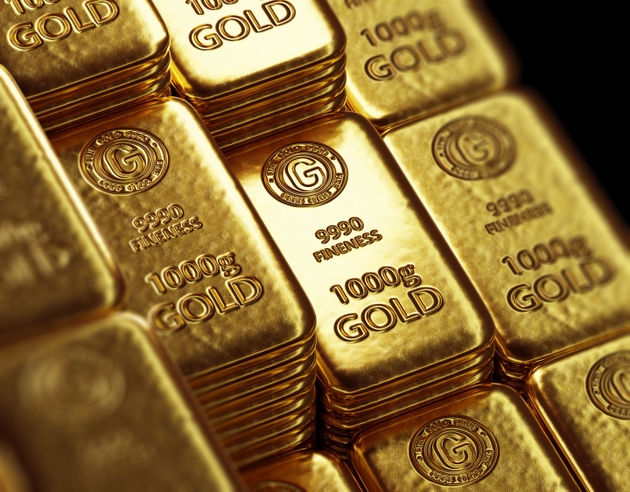
Gold’s Resilient Rally Continues
Gold futures have extended their impressive winning streak, marking a gain for the eighth time in the last nine trading sessions. The precious metal, often viewed as the ultimate barometer for market anxiety and monetary policy shifts, is currently benefiting from a dual tailwind: a softening U.S. Dollar and persistent geopolitical friction in the Middle East. As investors navigate a landscape of uncertainty, the yellow metal’s recent price action signals a strong flight-to-safety preference among institutional participants.
The Geopolitical Pressure Cooker
At the heart of the current market nervousness is the precarious situation regarding U.S.-Iran relations. Despite the existence of a fragile ceasefire, ongoing tensions continue to threaten regional stability. For traders, these skirmishes represent a significant risk premium that is currently being priced into gold. Historically, gold acts as a hedge against geopolitical volatility; when diplomatic channels appear strained, capital often rotates out of risk-on assets and into the liquidity and safety of the gold market. The looming prospect of high-stakes diplomatic talks between Washington and Tehran has kept a floor under gold prices, as participants hedge against the possibility of a sudden escalation that could disrupt energy supplies and global trade routes.
The Dollar Correlation Factor
Beyond the geopolitical landscape, the inverse correlation between the U.S. Dollar and gold remains a primary driver of price discovery. The current weakness in the greenback is providing the necessary technical leverage for gold to push higher. When the dollar loses ground against a basket of currencies, gold—priced in dollars—becomes more attractive to international investors holding other fiat currencies. This currency-driven strength has allowed gold to shrug off potential headwinds from rising yields, demonstrating a decoupling that suggests strong physical and speculative demand.
Implications for Traders and Investors
For traders on the GLD (NYSEARCA: GLD) and gold futures markets, this momentum shift is noteworthy. The consistent climb over the past nine sessions suggests that the market is not merely reacting to day-to-day headlines but is positioning for a more sustained period of instability. Investors should remain cognizant of the 'wait-and-see' approach that often precedes major diplomatic negotiations. While the current trend is undeniably bullish, the potential for a 'sell the news' event following the U.S.-Iran talks remains a tangible risk. If diplomatic breakthroughs are achieved, a quick risk-on pivot could see a rapid unwinding of these defensive long positions.
What to Monitor Next
Market participants should focus on two key variables in the coming sessions. First, monitor the rhetoric surrounding the U.S.-Iran talks; any deviation from the current ceasefire status will likely trigger an immediate volatility spike. Second, keep a close eye on the U.S. Dollar Index (DXY). A stabilization or reversal in the dollar's downward trajectory could serve as a primary catalyst for a technical correction in gold. As the market digests these developments, the level of support gold has established in this nine-day window will be tested should the geopolitical temperature begin to cool.