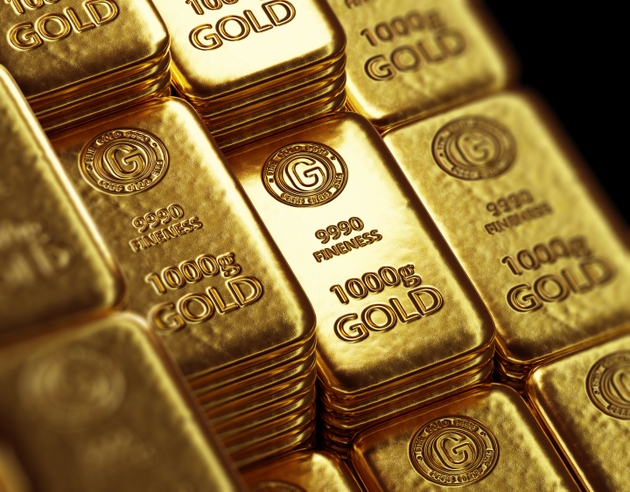
Gold Climbs as Geopolitical De-escalation Triggers Energy Sell-Off

Gold prices gained momentum following a two-week ceasefire between the U.S. and Iran, which sparked a sell-off in energy markets and weakened the U.S. dollar, fueling hopes for lower inflation and potential rate cuts.
Gold Gains as Middle East Ceasefire Sinks Energy Prices, Easing Inflation Worries
Gold prices edged higher in early trading as markets reacted to a surprise diplomatic breakthrough in the Middle East. President Trump confirmed a two-week ceasefire agreement with Iran, a development that has sent shockwaves through the energy sector and prompted a notable retreat in the U.S. dollar. For traders, the move marks a significant pivot in the risk-on/risk-off calculus that has dominated commodity and currency markets throughout the week.
The Energy-Inflation Nexus
The immediate fallout of the ceasefire was a sharp decline in crude oil prices. As a primary driver of headline inflation, the sudden drop in energy costs is being interpreted by market participants as a potential cooling mechanism for broader inflationary pressures. Historically, gold has functioned as both a geopolitical hedge and a store of value against inflation. The current reaction suggests that while the "fear premium" typically associated with Middle East instability is being priced out of oil, gold is finding support as a defensive asset in a shifting monetary environment.
By dampening energy costs, the ceasefire effectively lowers the hurdle for central banks to reconsider their hawkish stances. If inflationary pressures begin to subside, the Federal Reserve gains the necessary flexibility to pivot toward a more dovish policy trajectory. This prospect of lower interest rates is inherently bullish for non-yielding assets like gold, which often struggle to compete when real yields are rising.
Dollar Weakness Provides a Tailwind
Complementing the gold rally is the weakness in the U.S. dollar. The greenback, which often draws strength from geopolitical uncertainty and high interest rates, faced selling pressure following the announcement. Because gold is denominated in dollars, the currency’s depreciation makes the metal more attractive to investors holding other foreign currencies, effectively lowering the cost of entry for global gold buyers.
Traders are now recalibrating their expectations for the next Federal Open Market Committee (FOMC) meeting. The easing of oil prices serves as a critical data point that could influence the Fed's outlook on long-term price stability. If the energy market remains bearish, the argument for aggressive rate hikes weakens, potentially creating a sustained floor for gold prices.
Market Implications and What to Watch Next
For investors and active traders, the current environment demands a close watch on the correlation between oil and the precious metals complex. While the initial reaction has been a simultaneous rise in gold and a fall in oil, historical precedents suggest this divergence may be short-lived if the ceasefire fails to hold.
Beyond the immediate geopolitical headlines, market participants should monitor incoming CPI and PCE data. If the reduction in energy prices translates into a meaningful cooling of consumer price indices, the resulting "dovish pivot" narrative could provide the catalyst for a more sustained gold rally. Conversely, should the two-week ceasefire collapse, the reversal in oil prices would likely be swift, potentially putting downward pressure on gold as volatility returns to the energy patch.
As the market digests the news, the focus shifts from the diplomatic headline to the fundamental economic data that will dictate central bank policy for the remainder of the quarter. Investors should remain cautious, as the intersection of geopolitical volatility and central bank policy remains highly sensitive to even minor shifts in diplomatic rhetoric.
AI-drafted from named primary sources (exchange feeds, SEC filings, named news wires) and reviewed against AlphaScala editorial standards. Every price, earnings figure, and quote traces to a specific source.