Commodities● Neutral
Gold at ₹147,020 in Delhi, Down 6.6% From March Peak
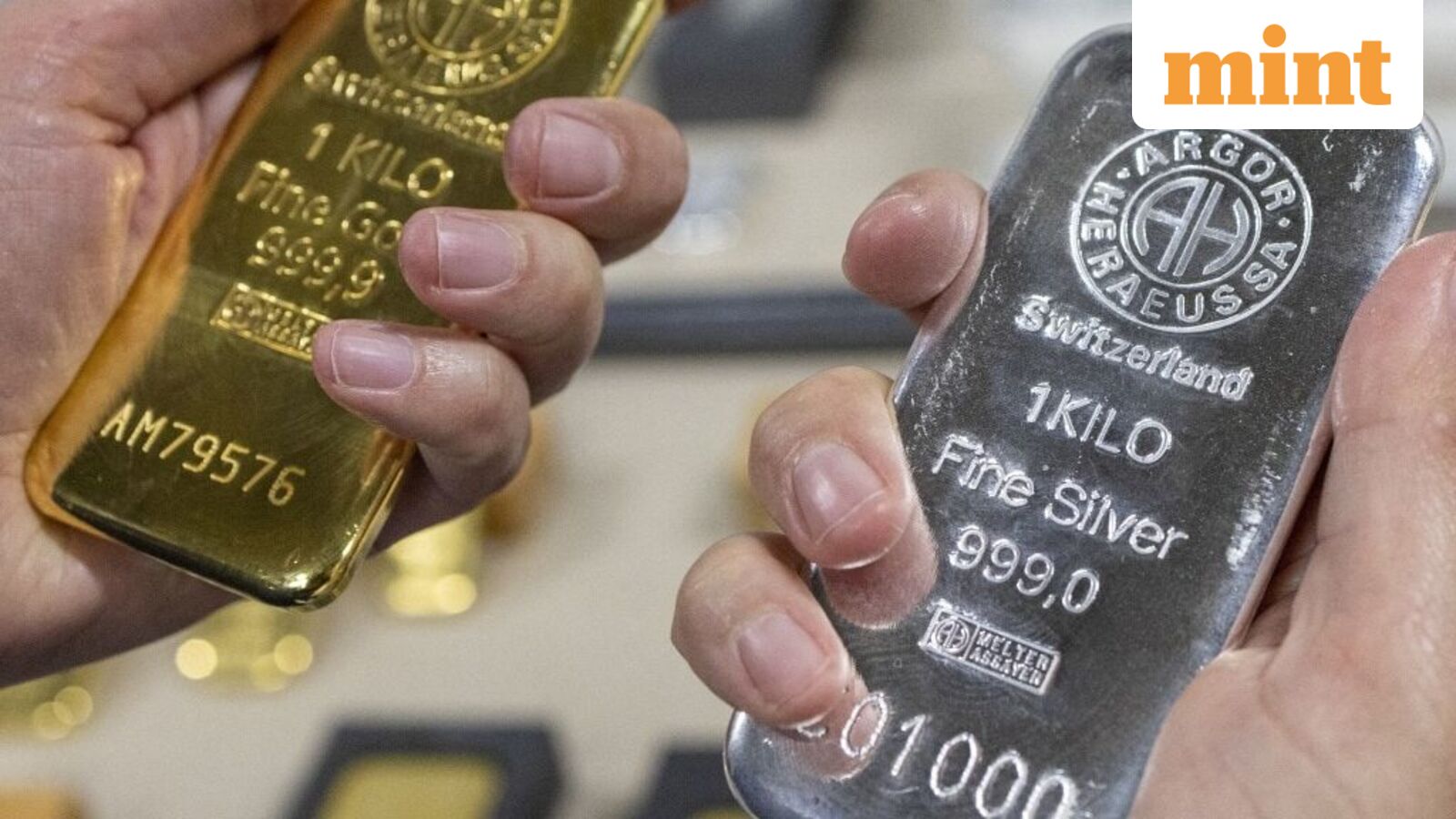
Gold in Delhi at ₹147,020, down 6.6% from March peak. Silver holds above ₹2.33 lakh. MCX reopens Monday; traders eye import duty and rupee for next move.
Continue with
Gold prices in India's retail market edged lower on Sunday, June 21, with 24-karat gold in New Delhi quoted at ₹147,020 per 10 grams, according to the Indian Bullion Association (IBA). That is about 6.6% below the March high of ₹157,480, when the metal touched its year-to-date peak after a 16% rally from January's ₹135,257. Silver 999 fine in Delhi was ₹233,010 per kilogram, holding above ₹2.33 lakh.
The Multi Commodity Exchange of India (MCX) was closed for the weekend, so the prices reflect physical bullion rates, not futures settlement. The IBA data showed limited movement across all cities. Chennai reported the highest gold rate at ₹147,700, while New Delhi had the lowest. Mumbai quoted ₹147,280, Kolkata ₹147,080, Bengaluru ₹147,390, and Hyderabad ₹147,510. Silver ranged from ₹233,010 in Delhi to ₹234,090 in Chennai.
The March peak followed a duty hike in May that pushed prices higher again, Mint reported. That effect appears to have faded in recent weeks. Spot gold in India now trades about 6.6% below the March high, though it remains well above the year's opening level. The IBA data did not indicate any supply disruptions or sudden demand shifts.
Gold's year-to-date trajectory follows a broader bull run. Last year, the yellow metal rose over 75%, its strongest performance since 1979, driven by safe-haven demand and global economic uncertainty. In India, the duty hike in May added a domestic catalyst, raising landed costs for importers. The rupee's depreciation against the dollar has also contributed to higher local prices.